Day 3: A Good Day in the Badlands!
Main Page > Cowboys & Indians >
Mike and Bone arose early at sun up in the quaint little cabin to a beautiful Northern Minnesota morn! It was time for the Boys leave the North and head south that it is! Mike and Bone being old guys have bad joints, so they started the trek to South Dakota to check out Wounded Knee and the Badlands! They had a long drive in front of them, over 531 miles to the ragged little town of Kadoka South Dakota!
Barreling through Bemidji
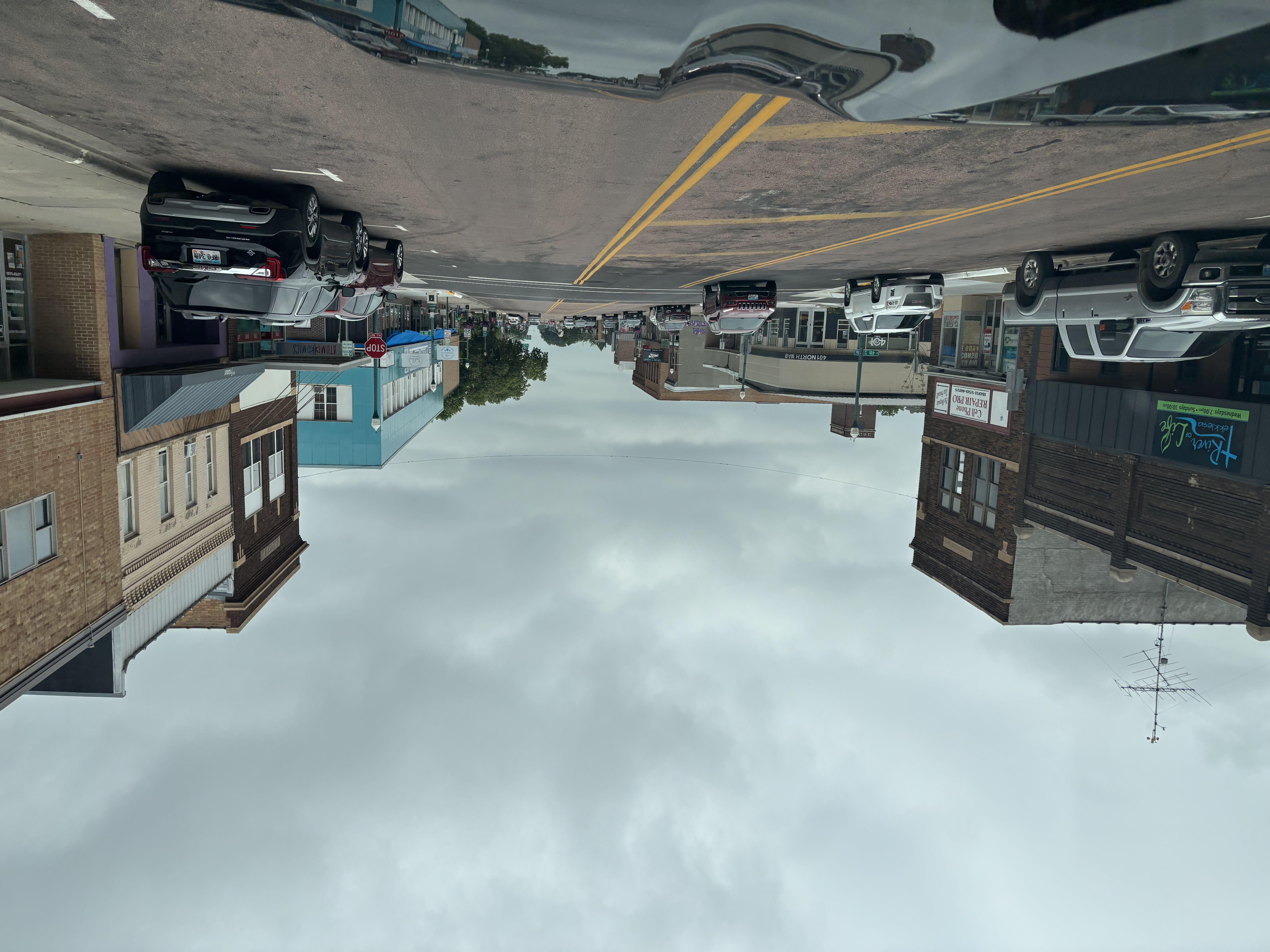
As soon as they headed out of Lake Itasca, Mike and Bone drove through the very Midwestern town of Bemidji, whose weird name came from the Ojibwe word bemijigamaag, which translates to "lake with crossing waters" or "a lake with water (river) running across it". It refers to the way the Mississippi River flows directly through Lake Bemidji. It is also linked to the name of a local Ojibwe leader, Shaynowishkung, known as Chief Bemidji. Soon, the northern Minnesota forests gave away to flat, flat, farmlands and continued that way deep into South Dakota. However stopping for gas, Mike and Bone got a kernal of entertainment with the Corn Palace!
The A"Maizing" Corn Palace in Mitchell, South Dakota
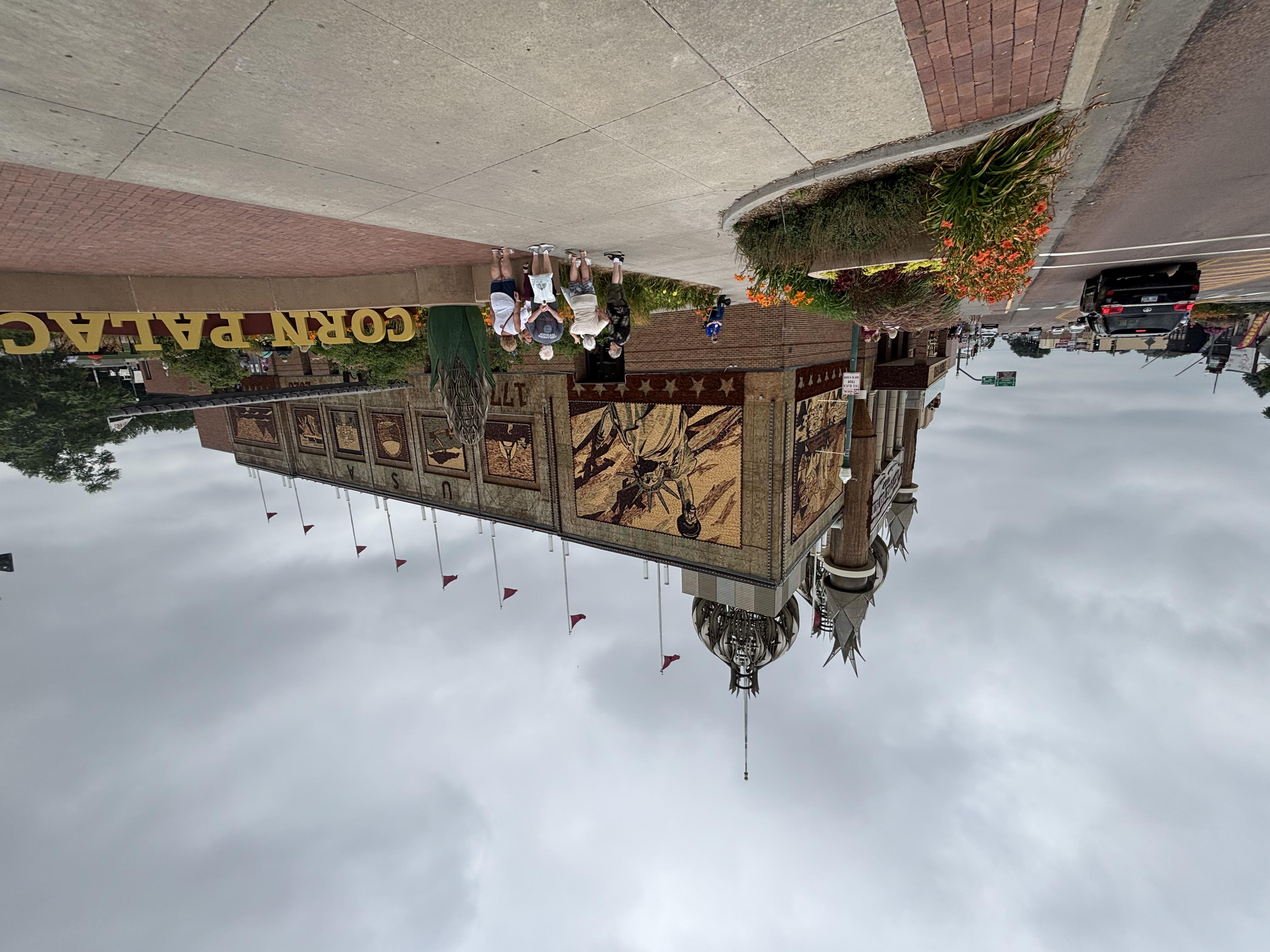
The Mitchell Corn Palace is a gaudy, goofy affair.
It all started in 1892 (when Mitchell, South Dakota was a small, 12-year-old city of 3,000 inhabitants) the World's Only Corn Palace was established on the city’s Main Street. During it’s over 100 years of existence, it has become known worldwide and now attracts more than a half a million visitors annually. The palace was conceived as a gathering place where city residents and their rural neighbors could enjoy a fall festival with extraordinary stage entertainment - a celebration to climax a crop-growing season and harvest. This tradition continues today with the annual Corn Palace Festival held in late August each year.
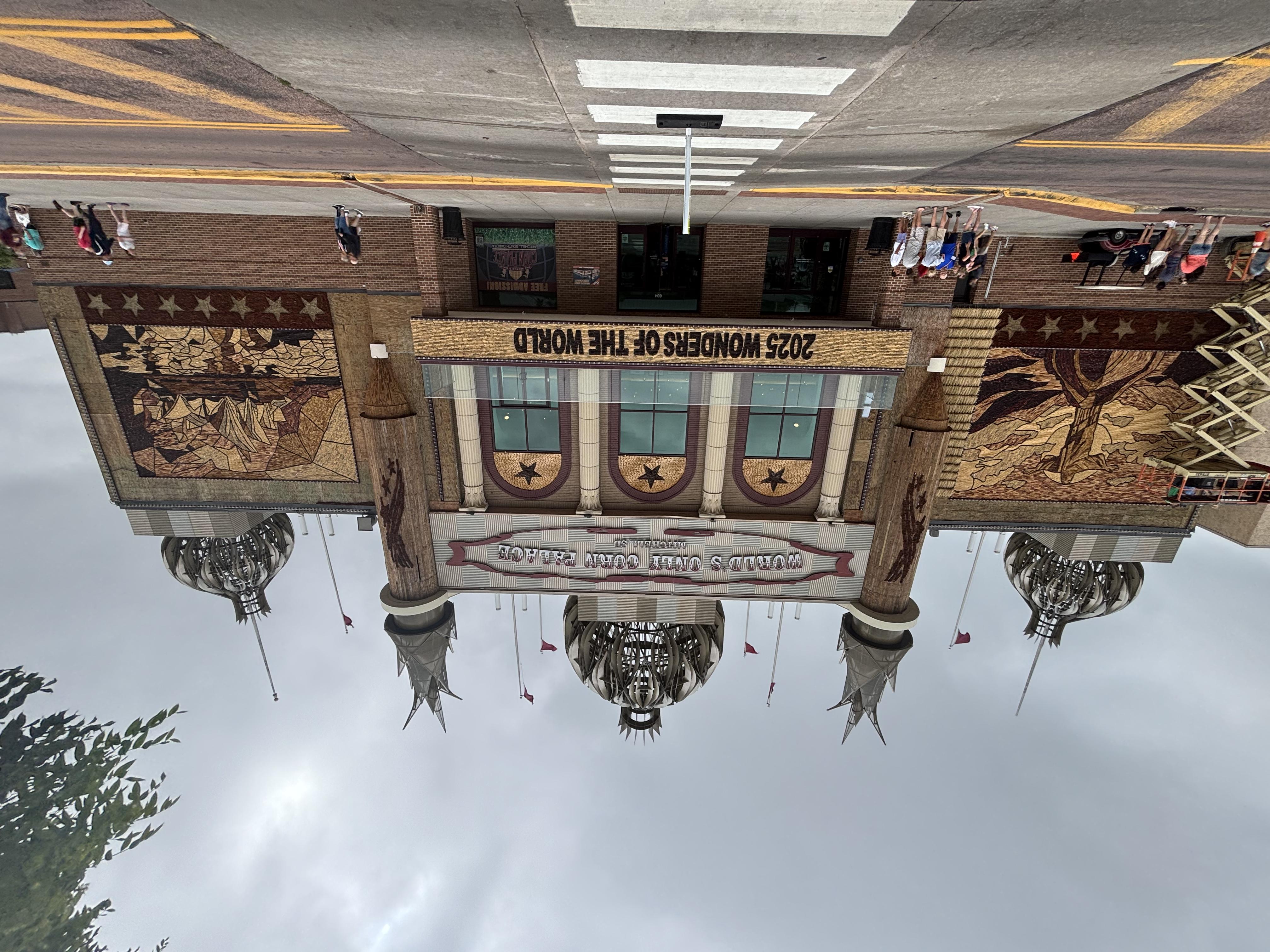
By 1905 the success of the Corn Palace had been assured and a new Palace was to be built, but this building soon became too small. In 1919, the decision to build a third Corn Palace was made. This one was to be permanent and more purposeful than its predecessors. The present building was completed in 1921, just in time for the Corn Palace Festivities. That winter Mitchell hosted its first boy’s state basketball tournament. The building was considered to have the finest basketball arena in the upper Midwest area. In the 1930’s, steps were taken to recapture the artistic decorative features of the building and minarets and kiosks of Moorish design were added restoring the appearance of early day Corn Palace. The Corn Palace Today the Corn Palace is more than the home of the festival or a point of interest of tourists. It is a practical structure adaptable to many purposes. Included among its many uses are industrial exhibits, dances, stage shows, meetings, banquets, proms, graduations arena for Mitchell High School and Dakota Wesleyan University as well as district, regional and state basketball tournaments.
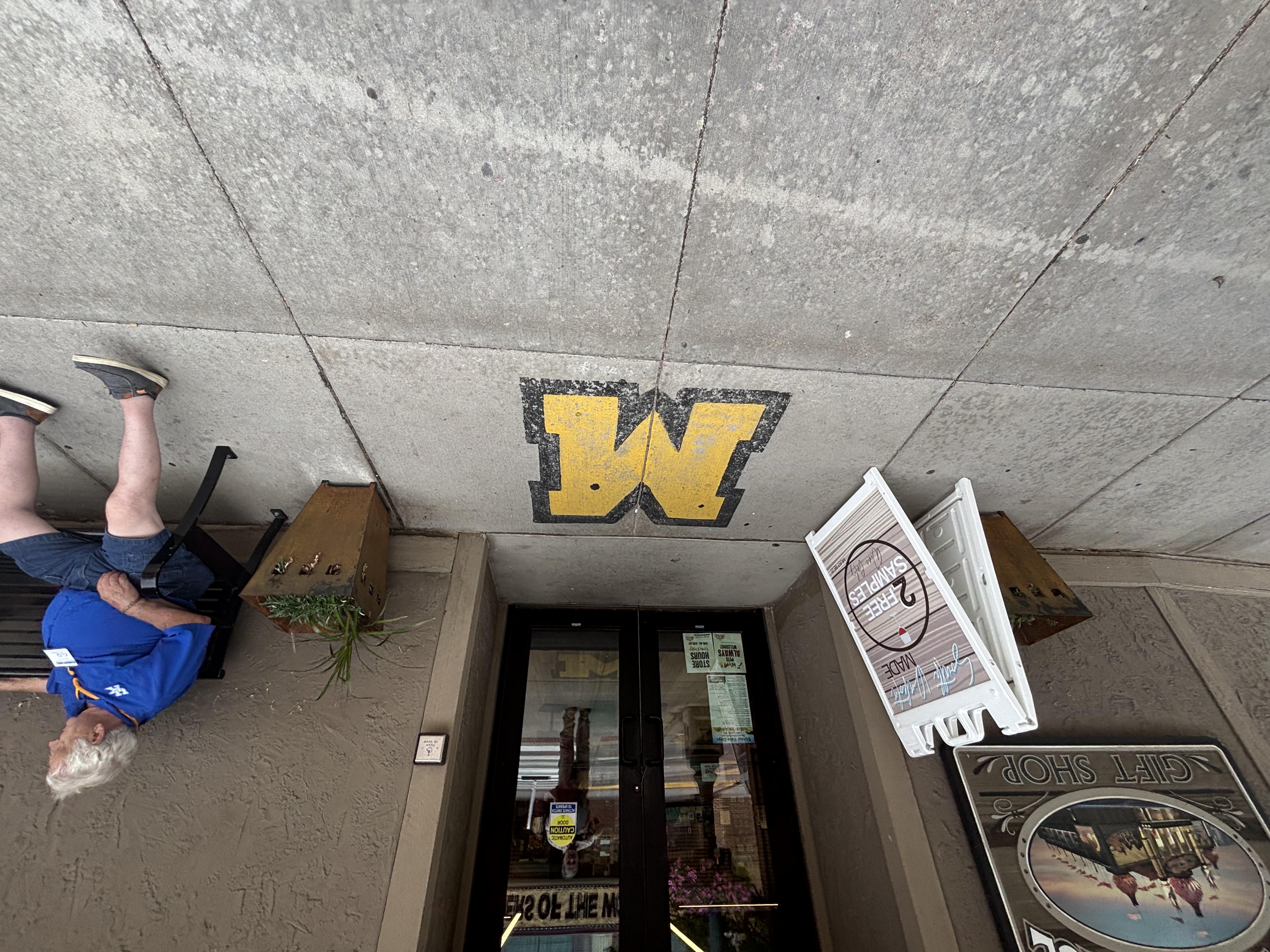
USA Today named the Corn Palace one of the top 10 places in America for high school basketball. The Palace is redecorated each year with naturally colored corn and other grains and native grasses to make it “the agricultural show-place of the world”. We currently use 12 different colors or shades of corn to decorate the Corn Palace: red, brown, black, blue, white, orange, calico, yellow and now we have green corn! A different theme is chosen each year, and murals are designed to reflect that theme. Ear by ear the corn is nailed to the Corn Palace to create a scene. The decorating process usually starts in late May with the removal of the rye and dock. The corn murals are stripped at the end of August and the new ones are completed by the first of October. Just like South Dakota Agriculture, growing condition can affect production of our decorating materials and may delay the decorating process. The Corn Palace is known around the world as a folk-art wonder on the prairie of South Dakota. Mike and Bone found it corny and quickly moved on to "visit" some old friends, Lewis and Clark!
A pleasant visit with Lewis & Clark at Camp Pleasant on the Missouri !
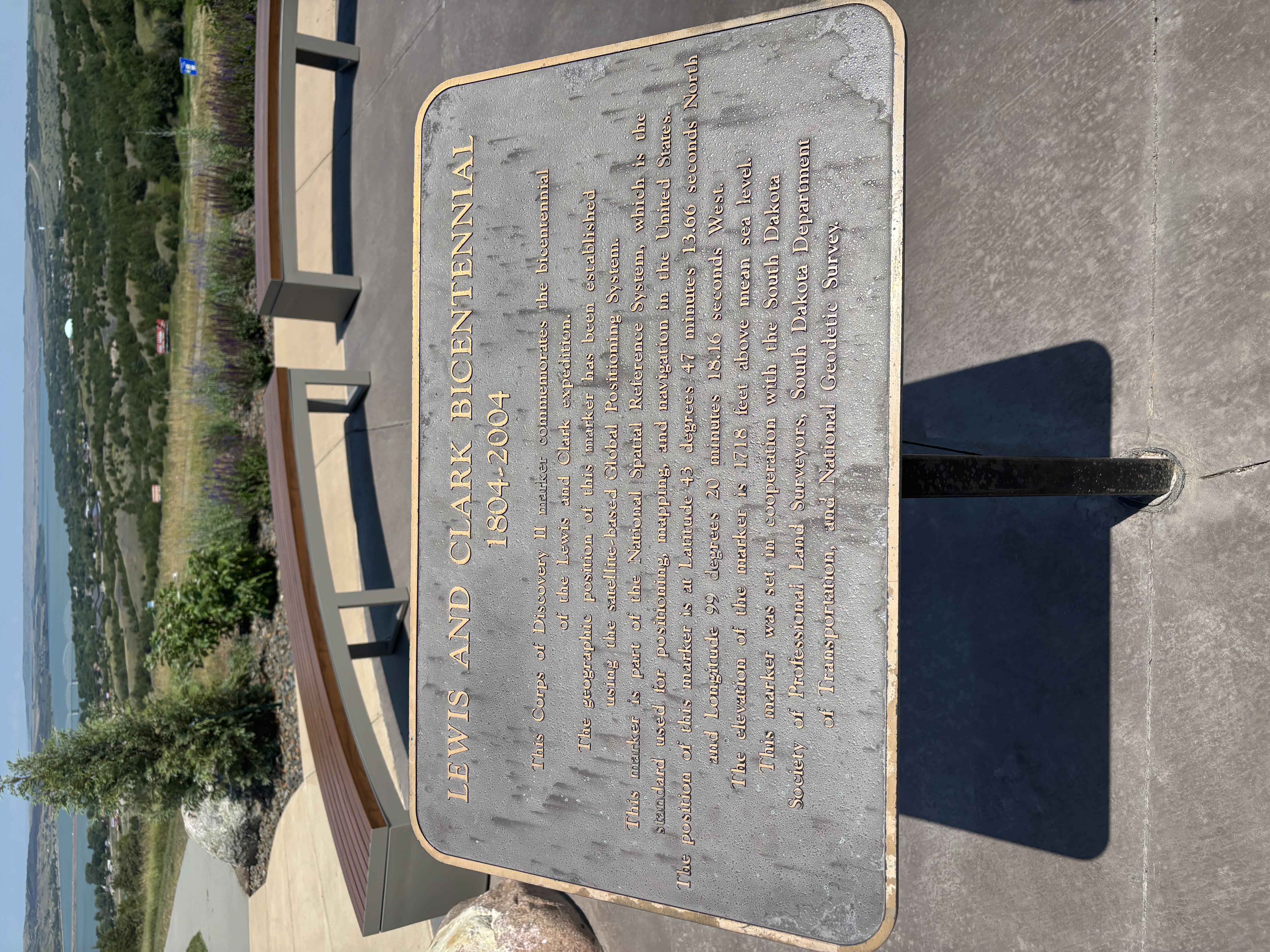
The landscape of South Dakota, slowly changed from farmland to prairie, then to scrubland, the type of arid prairie viewed and documented by the Corp of Discovery! By now the Boys were on I-90 west when they saw a huge statue of Sacajawea and signs for a Lewis and Clark Interpretive Center in Chamberlain South Dakota, the Boys had to check it out!
A Panoramic View of the Mighty Missouri !
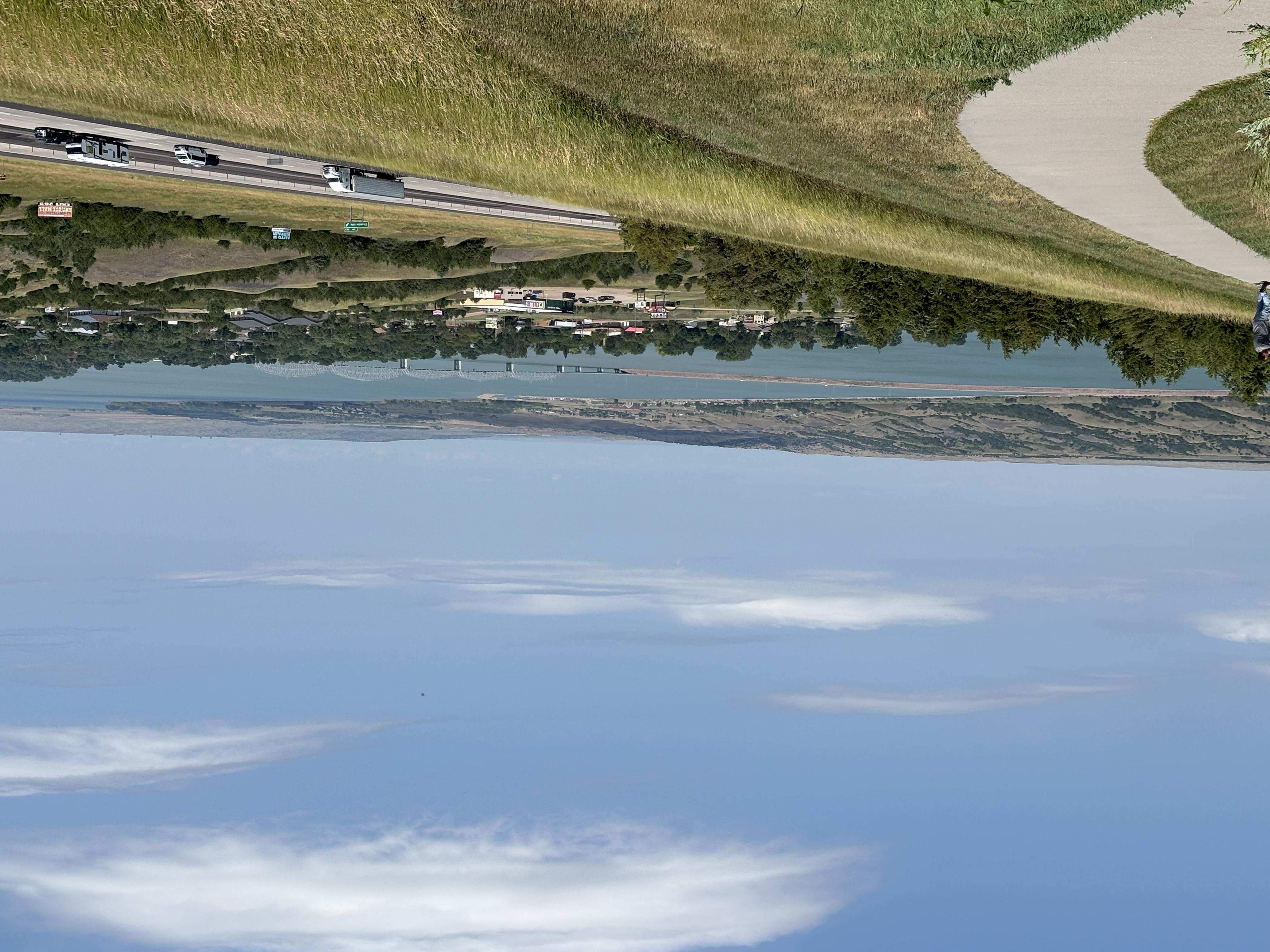
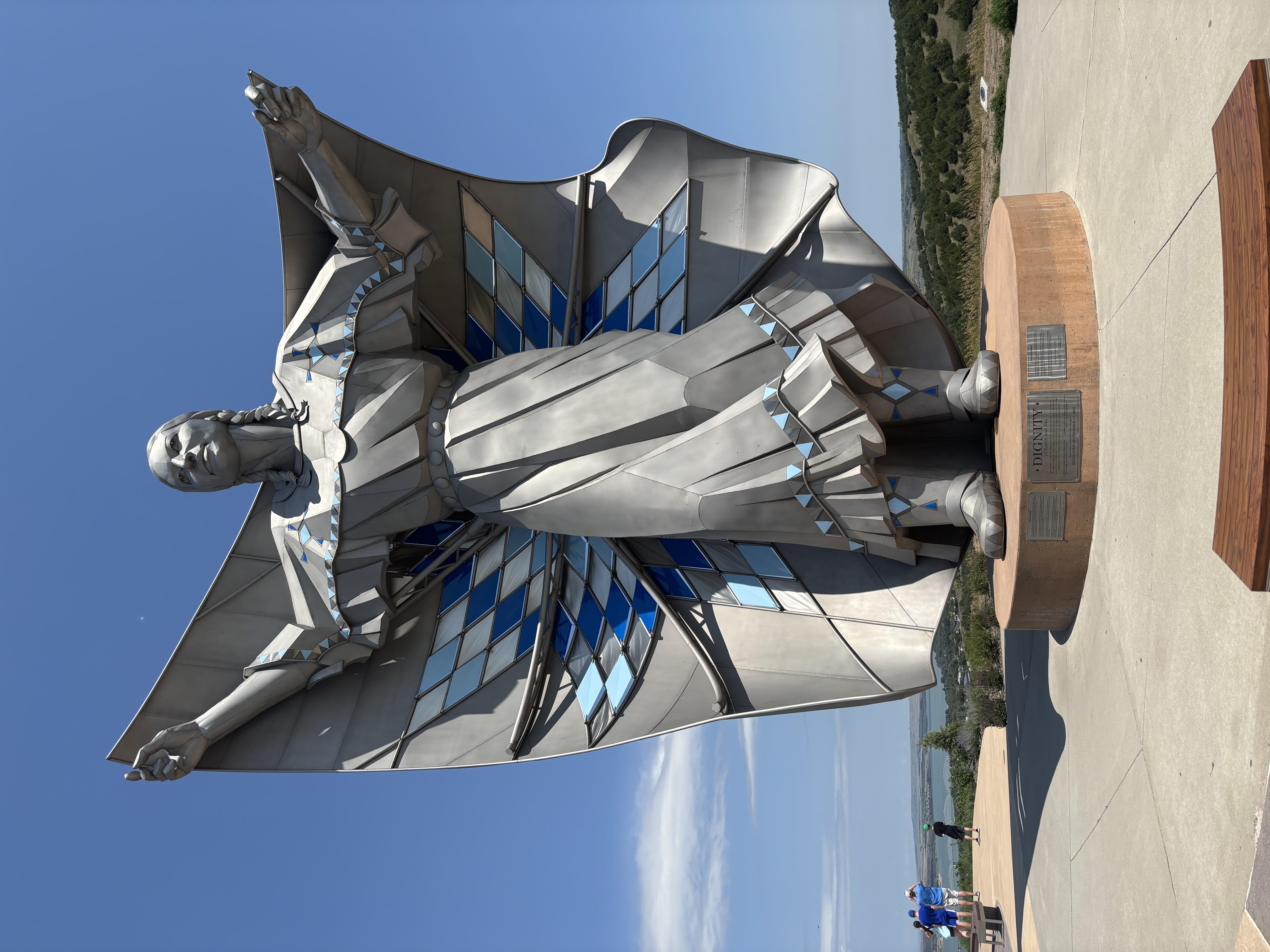
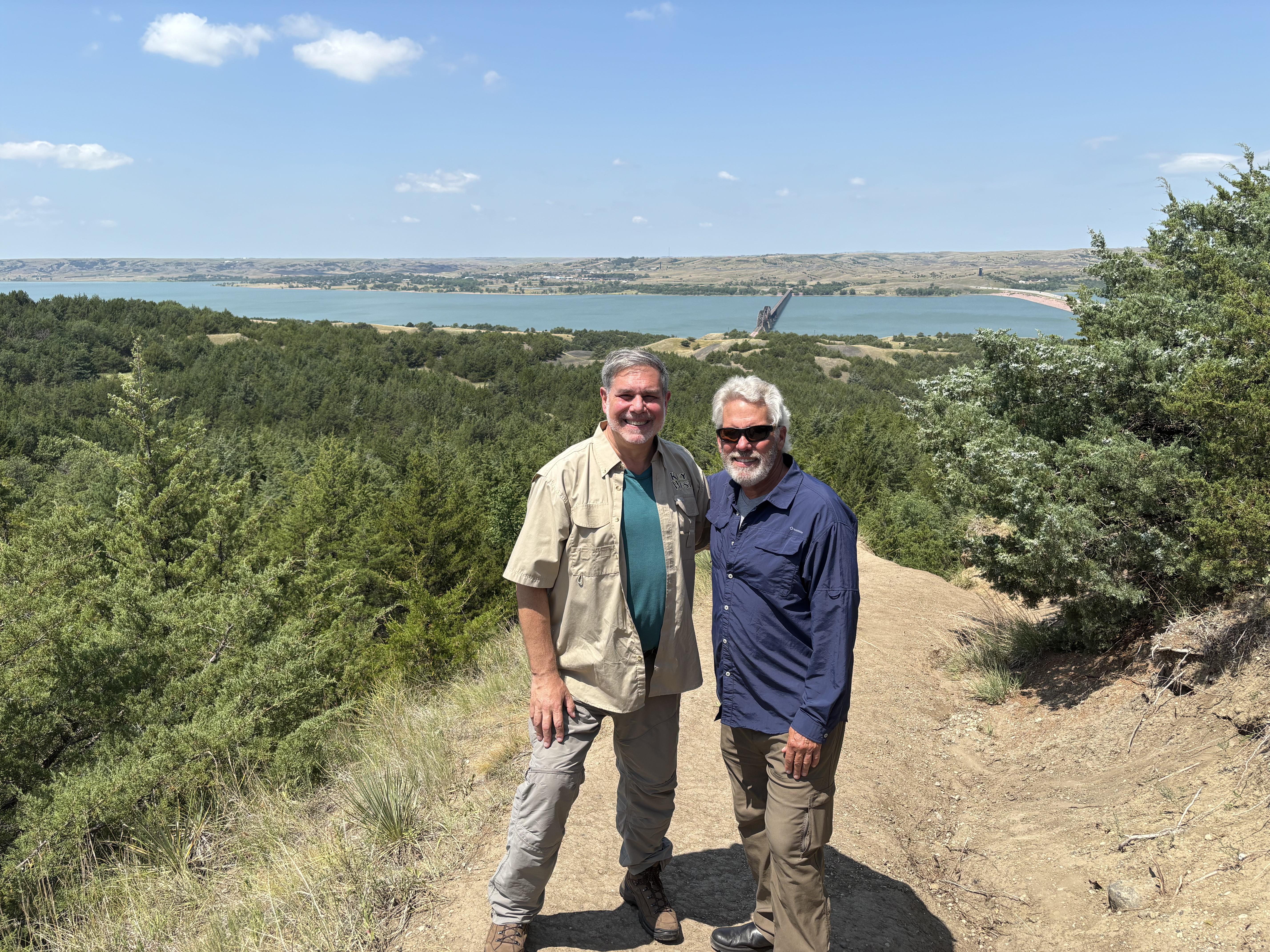
Getting out of the Land Cruiser was very different from getting into the Land Cruiser in Northern Minnesota! It was in the 90's and the heat hit Mike and Bone like a wave! First stop was the statue, it is not Sacajawea, it is called the Dignity of Earth and Sky and is a 50-foot-tall stainless steel sculpture, honoring the rich culture of the Lakota and Dakota people. Installed in 2016 overlooking the Missouri River, the statue features a Native woman holding a star quilt with 128 blue diamond shapes that move with the wind, representing respect, honor, and the connection between earth and sky. Key Aspects of the Sculpture: Symbolism: The sculpture honors the courage and resilience of Native American women. The star quilt is a significant symbol in Native culture, representing honor, accomplishments, and the belief that people come from the stars. Checking it out in the sweltering sun, Mike and Bone read all the signs and despite the heat, the Boys hiked up a little ridge to check out the amazing vista the Corp of Discovery enjoyed sailing up the Missouri.
A Panoramic View of the Mighty Missouri !
A pleasant place to camp
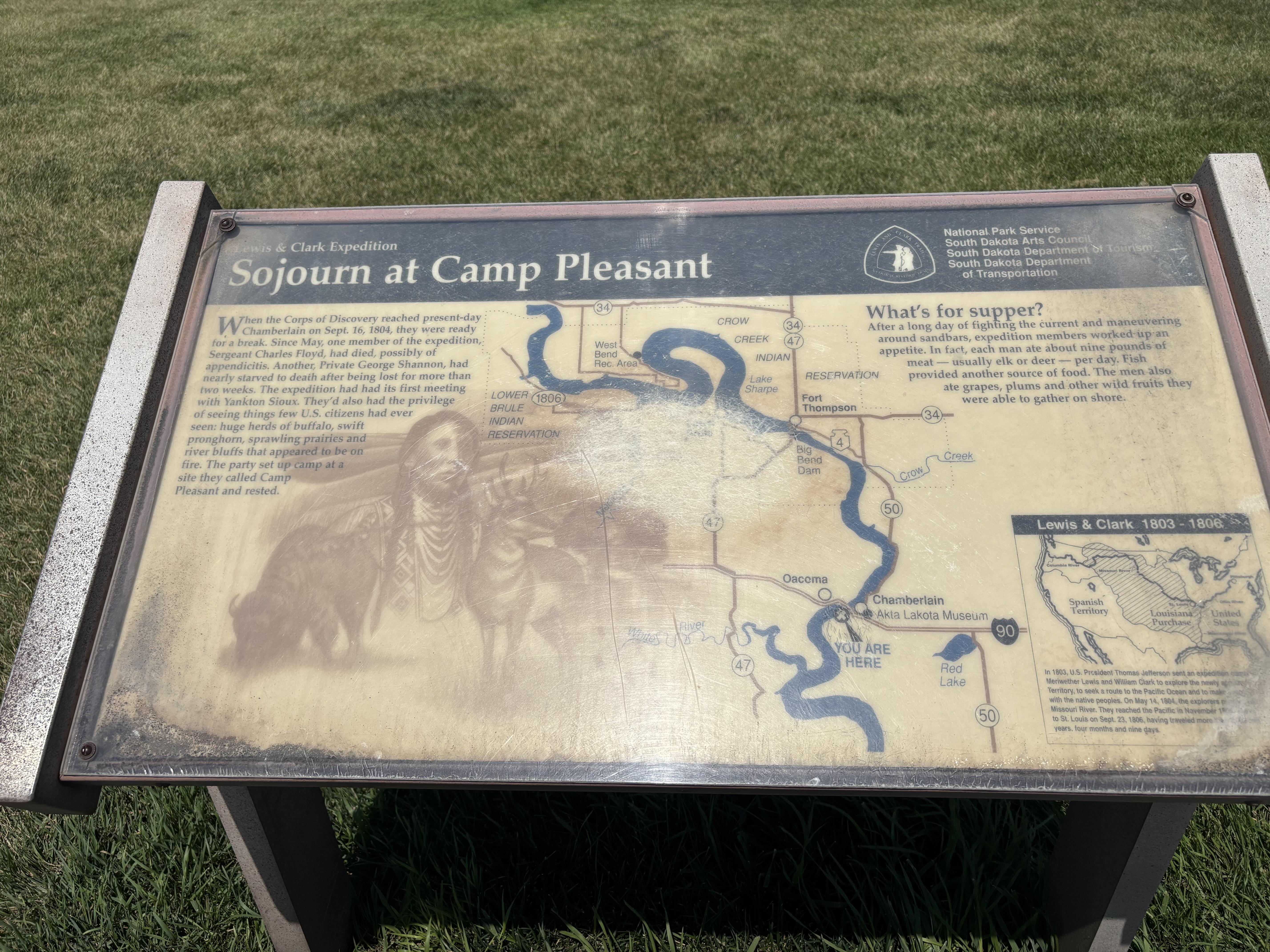
When the Corps of Discovery reached present-day Chamberlain on September 16, 1804, they were ready for a break. Since May, one member of the expedition, Sergeant Charles Floyd, had died, possibly of appendicitis. Another, Private George Shannon, had nearly starved to death after being lost for more than two weeks. The expedition had had its first meeting with Yankton Sioux. They’d also had the privilege of seeing things few U.S. citizens had ever seen: huge herds of buffalo, swift pronghorn, sprawling prairies and river bluffs that appeared to be on fire. The party set up camp at a site they called Camp Pleasant and rested. This is the view the Boys enjoyed for a few minutes, then bolted into the lovely air conditioned splendor of the Lewis and Clark Interpretive Center!
The Lewis and Clark Interpretive Center
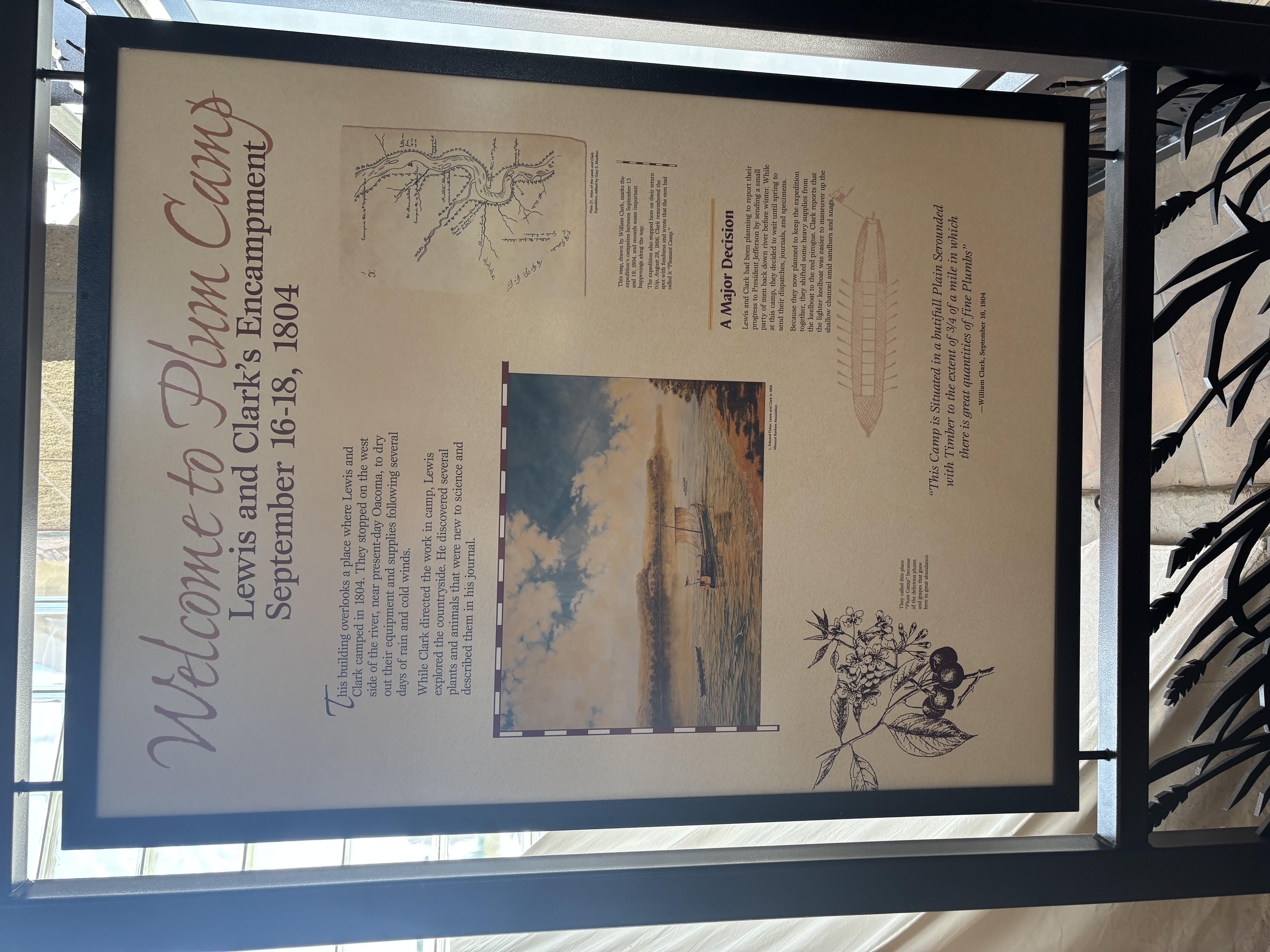
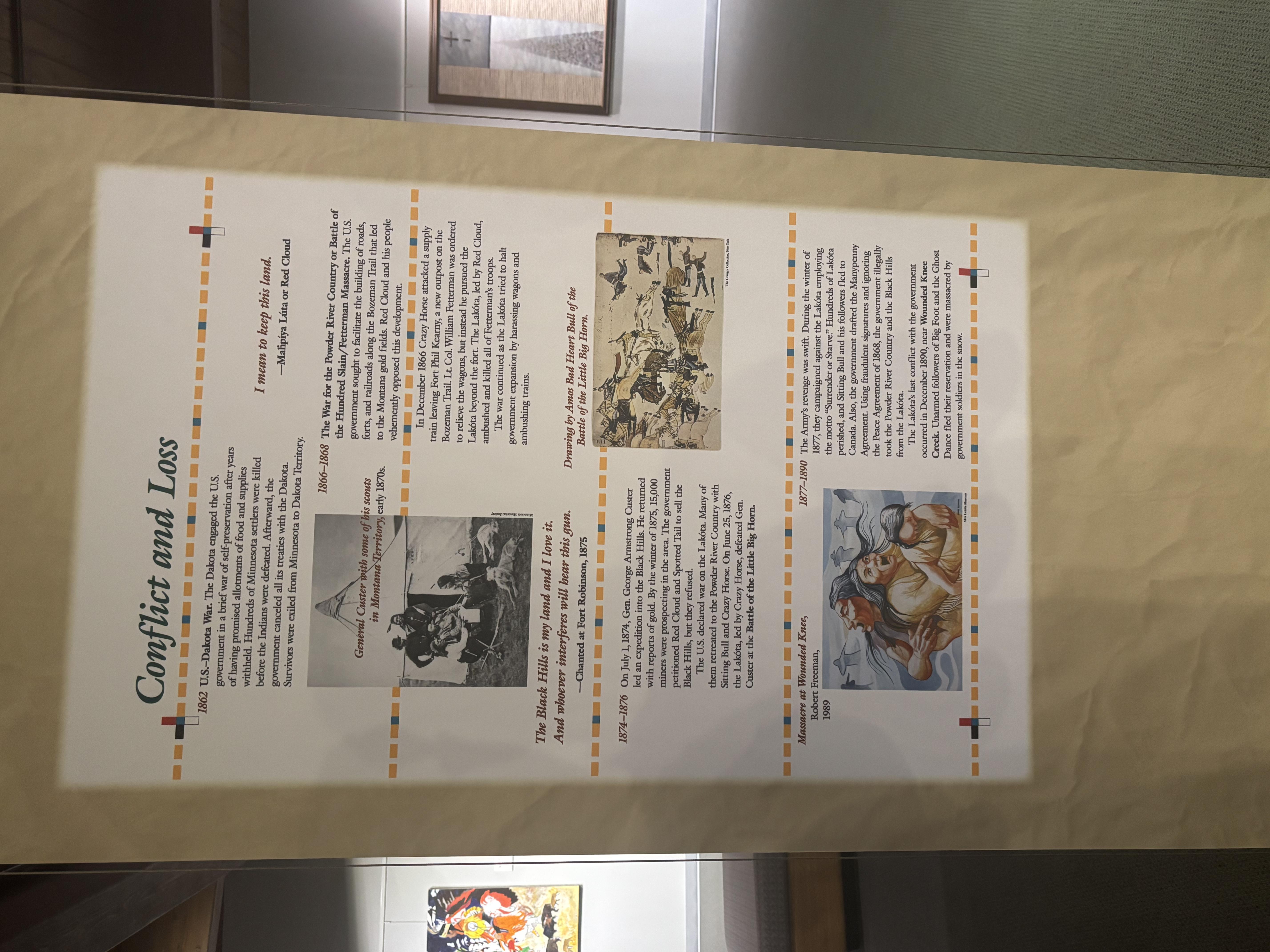
The Lewis and Clark Interpretive Center covers the historic expedition undertaken by Meriwether Lewis and William Clark over two centuries ago. Mike and Bone checked out the immersive exhibits, interactive displays.
Keeling over the Keel Boat!
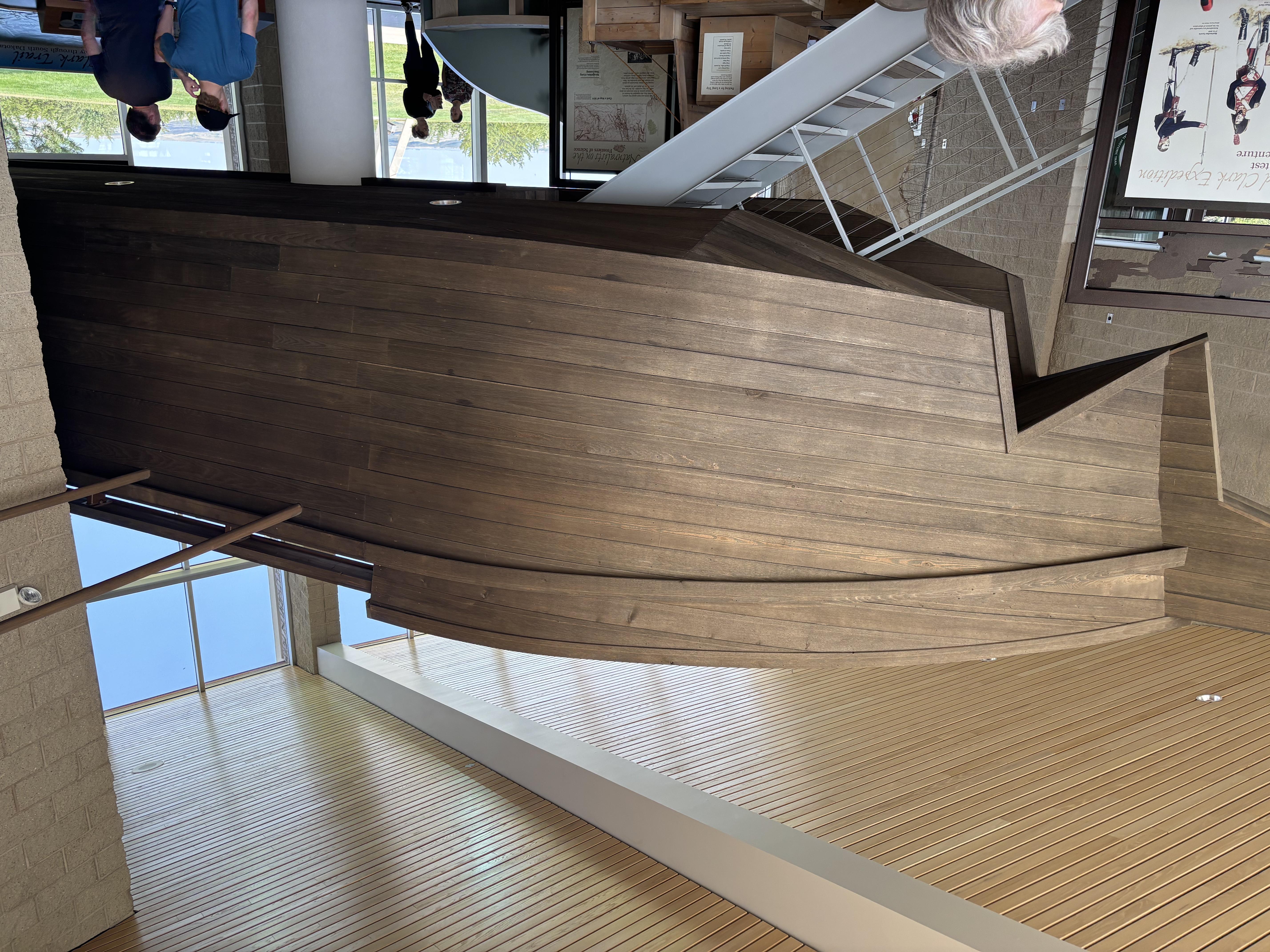
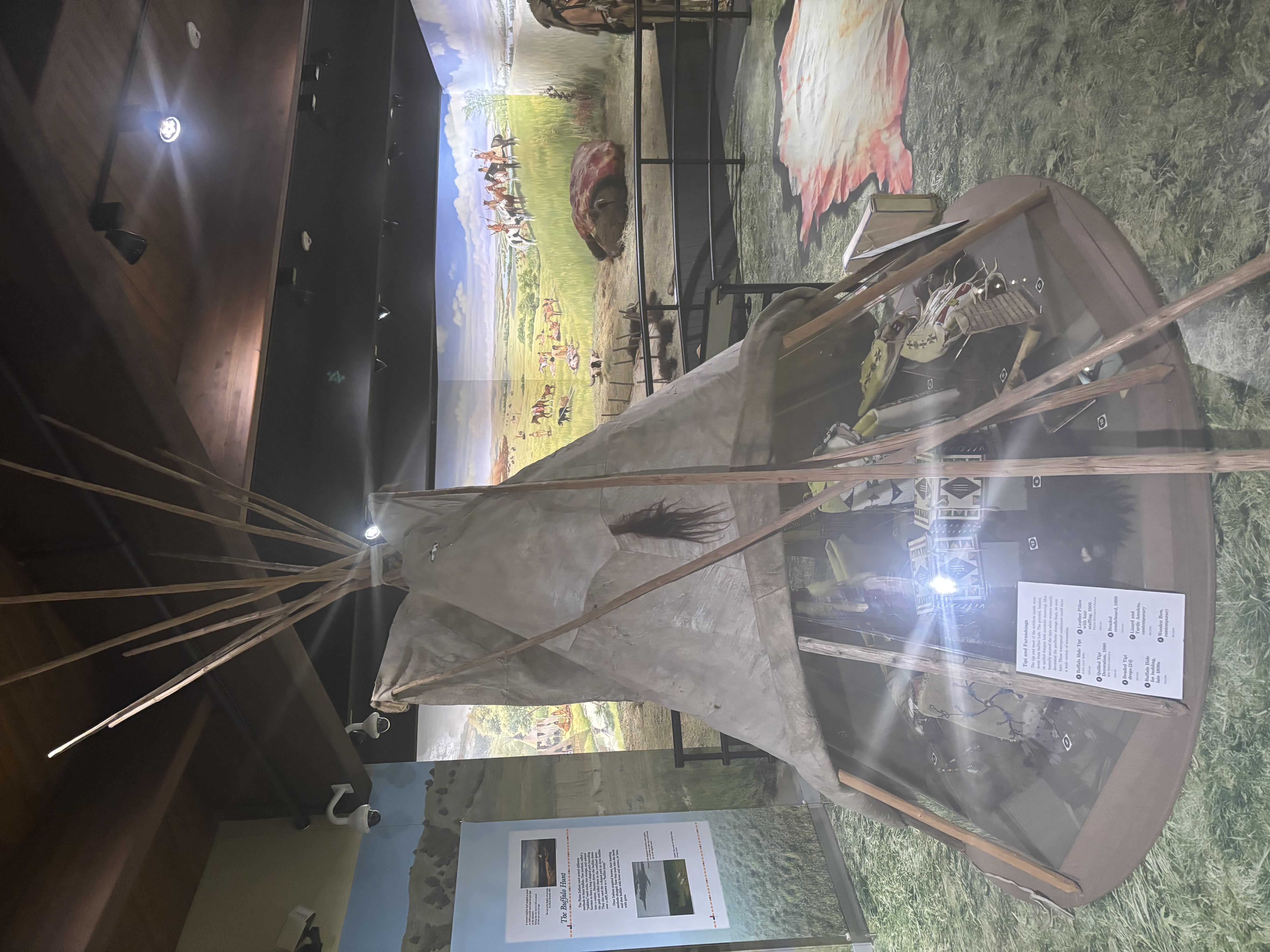
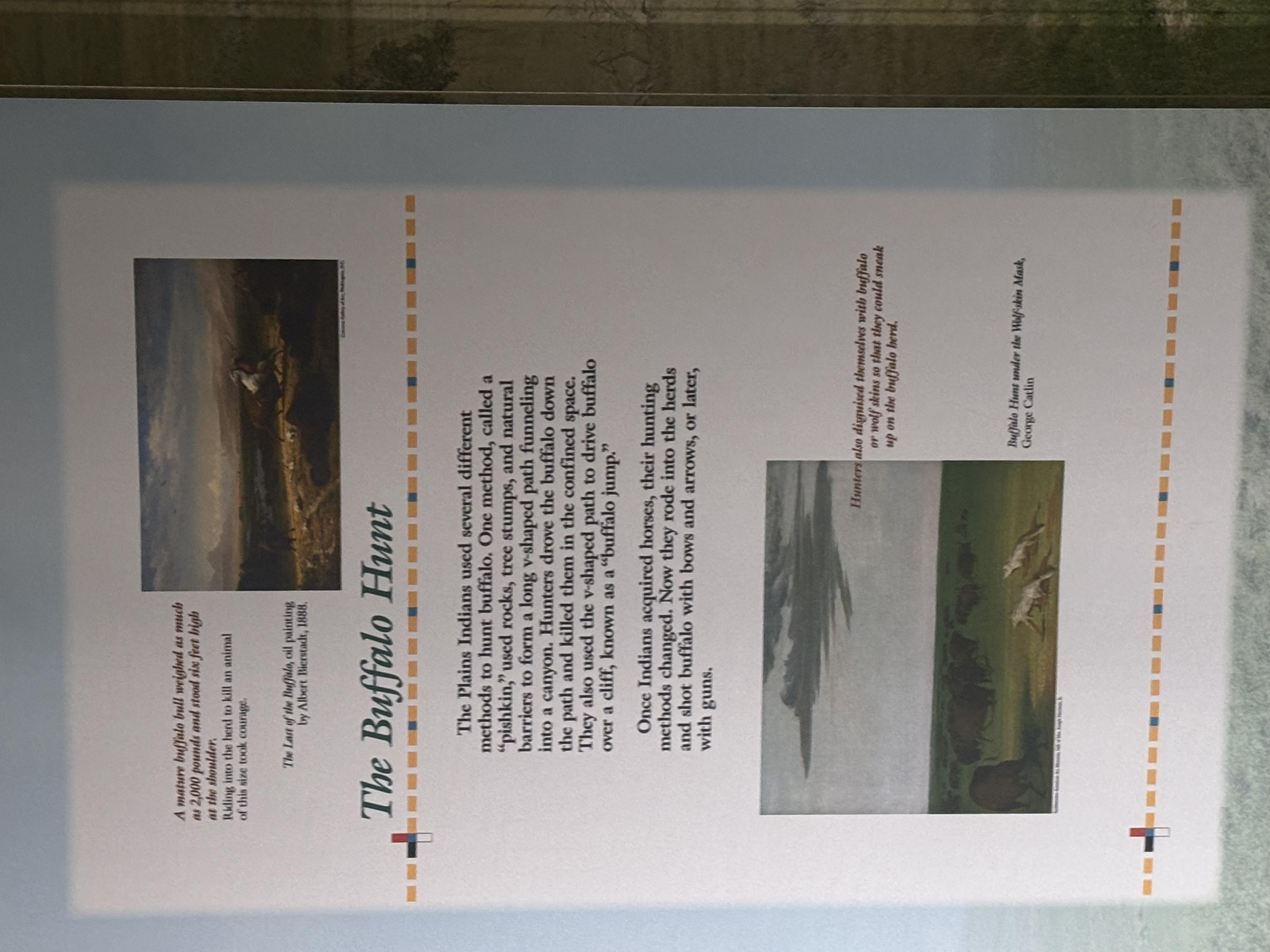
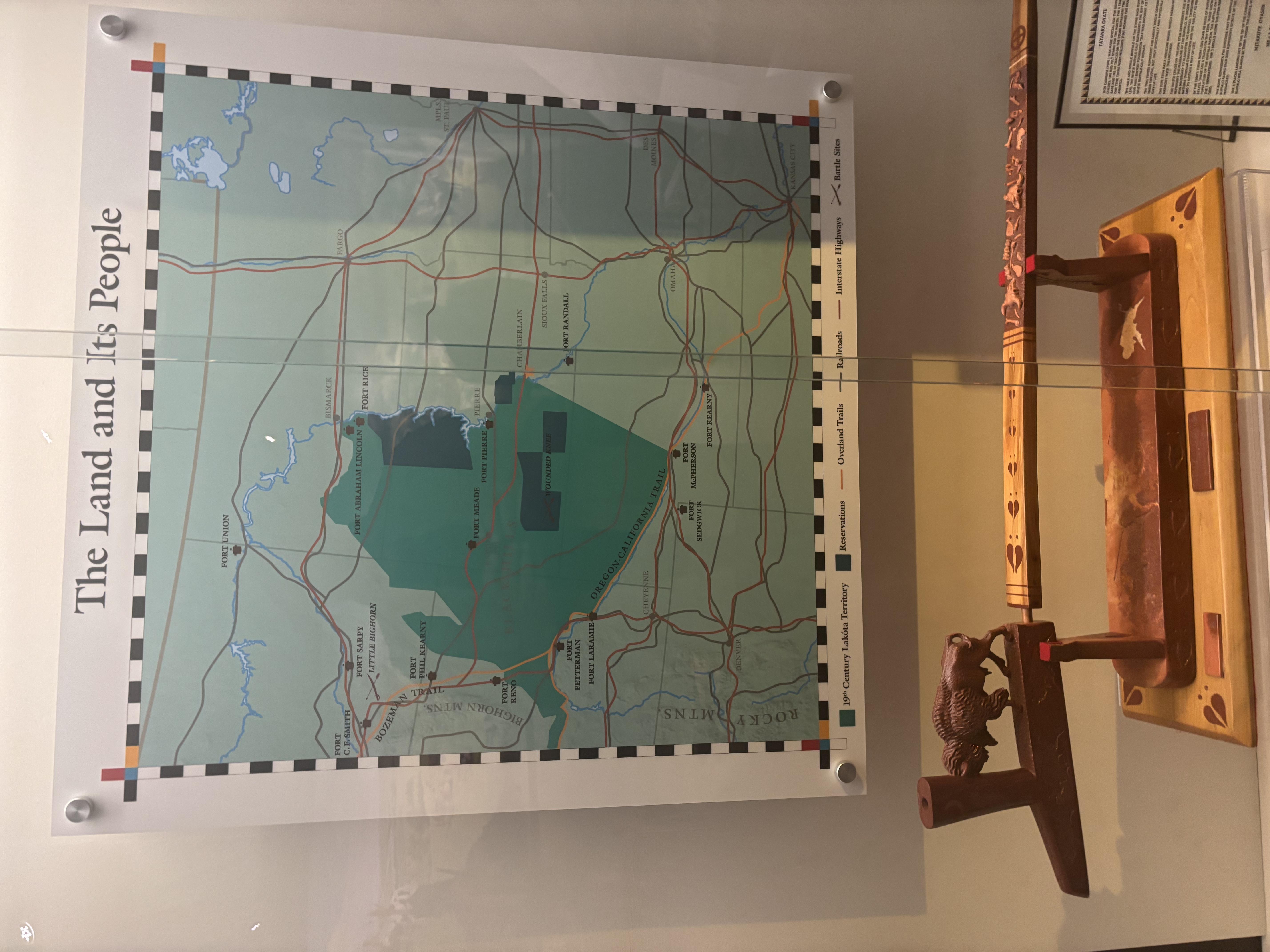
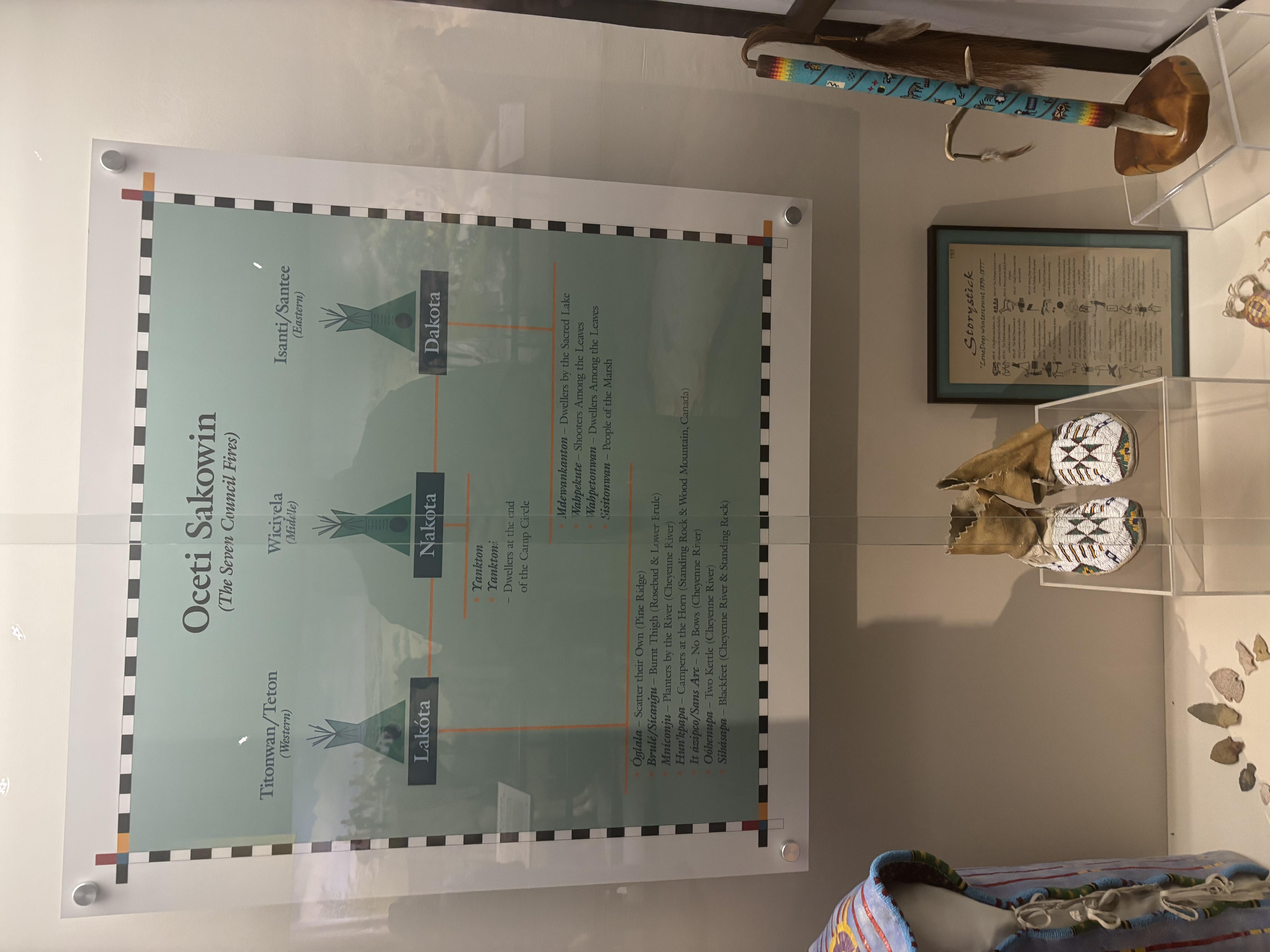
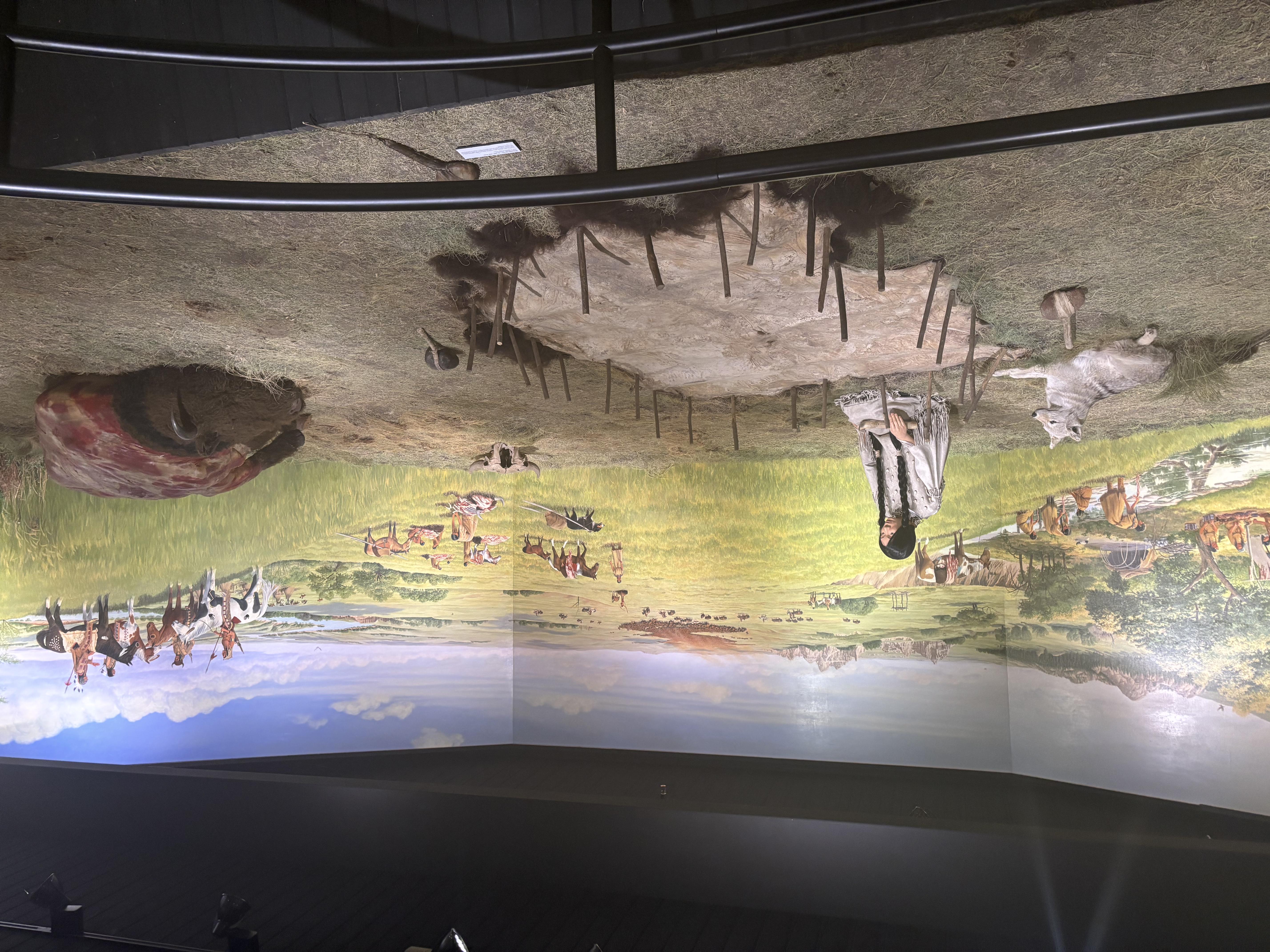
One of the cool exhibits was a full-scale replica of the 55-foot-long keelboat used by the Corps of Discovery. This vessel, designed based on specifications from the 1803 expedition, was the main cargo boat for the journey and could be propelled by oars, sails, or poles. It was the primary vessel for the Lewis and Clark expedition until the spring of 1805. The Center had a lot of unrelated exhibits related to the Lakota and Dakota Sioux.
A Sioux Teepee
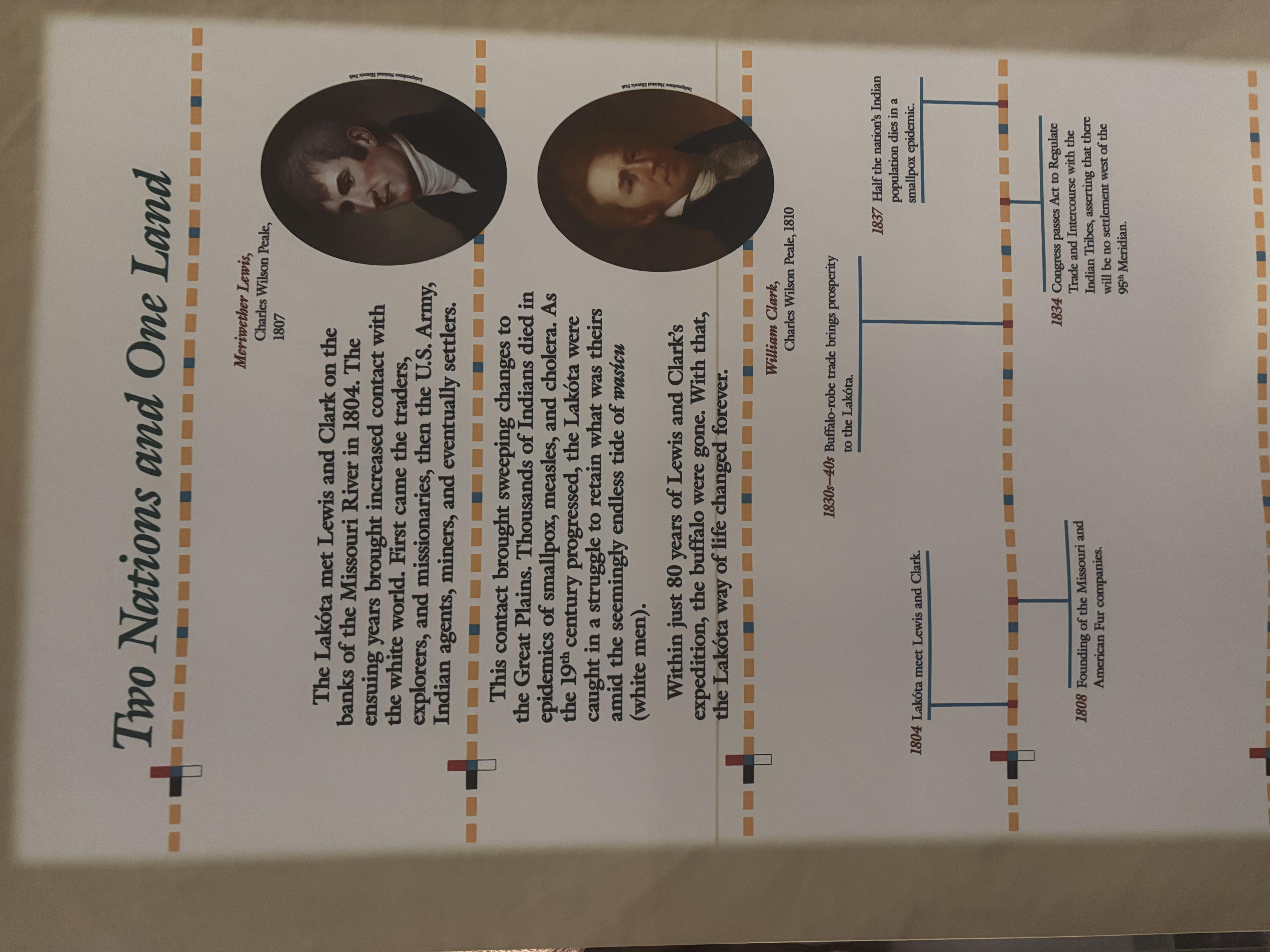
The Fetterman Massacre Buffalo Robe
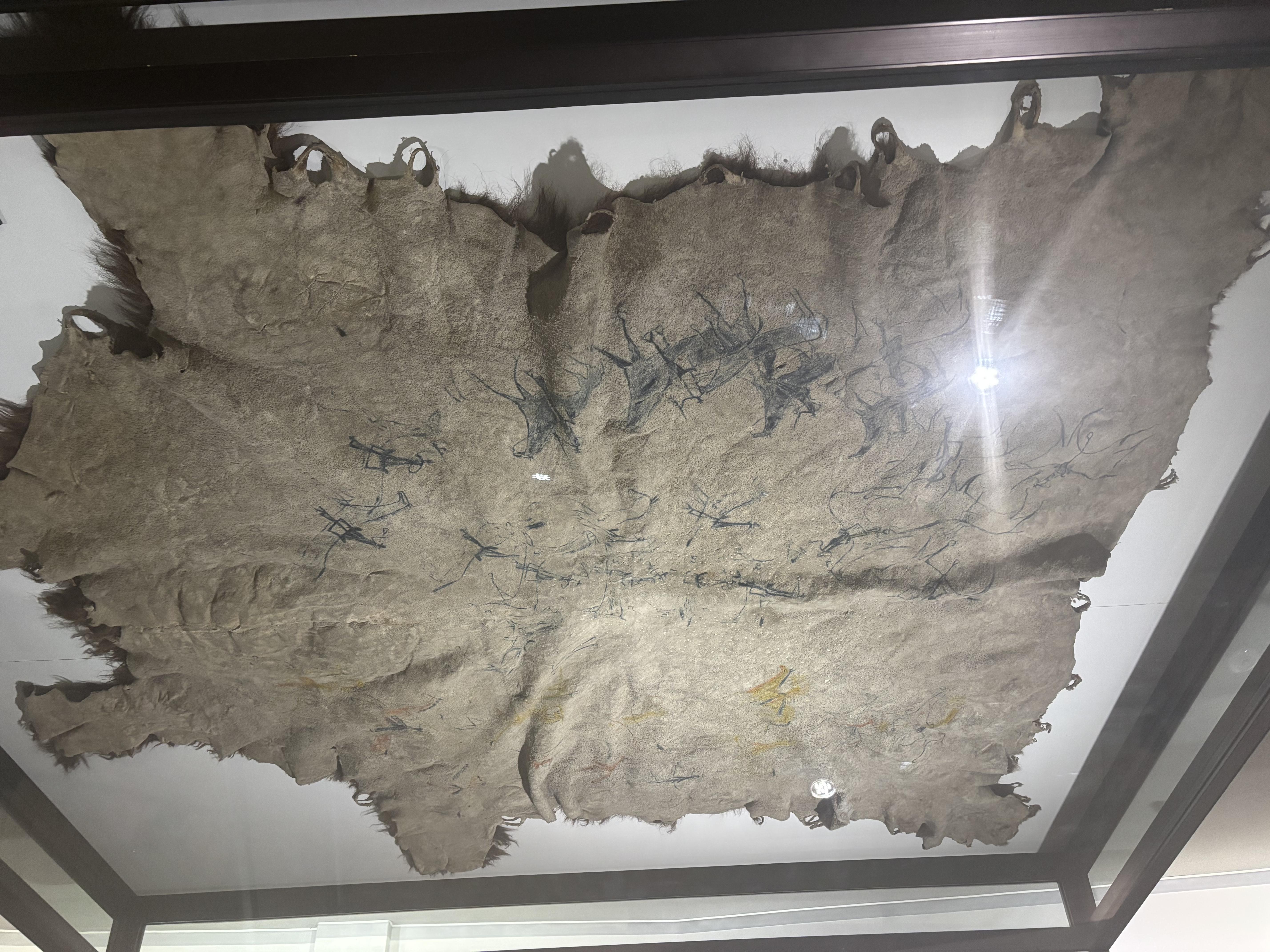
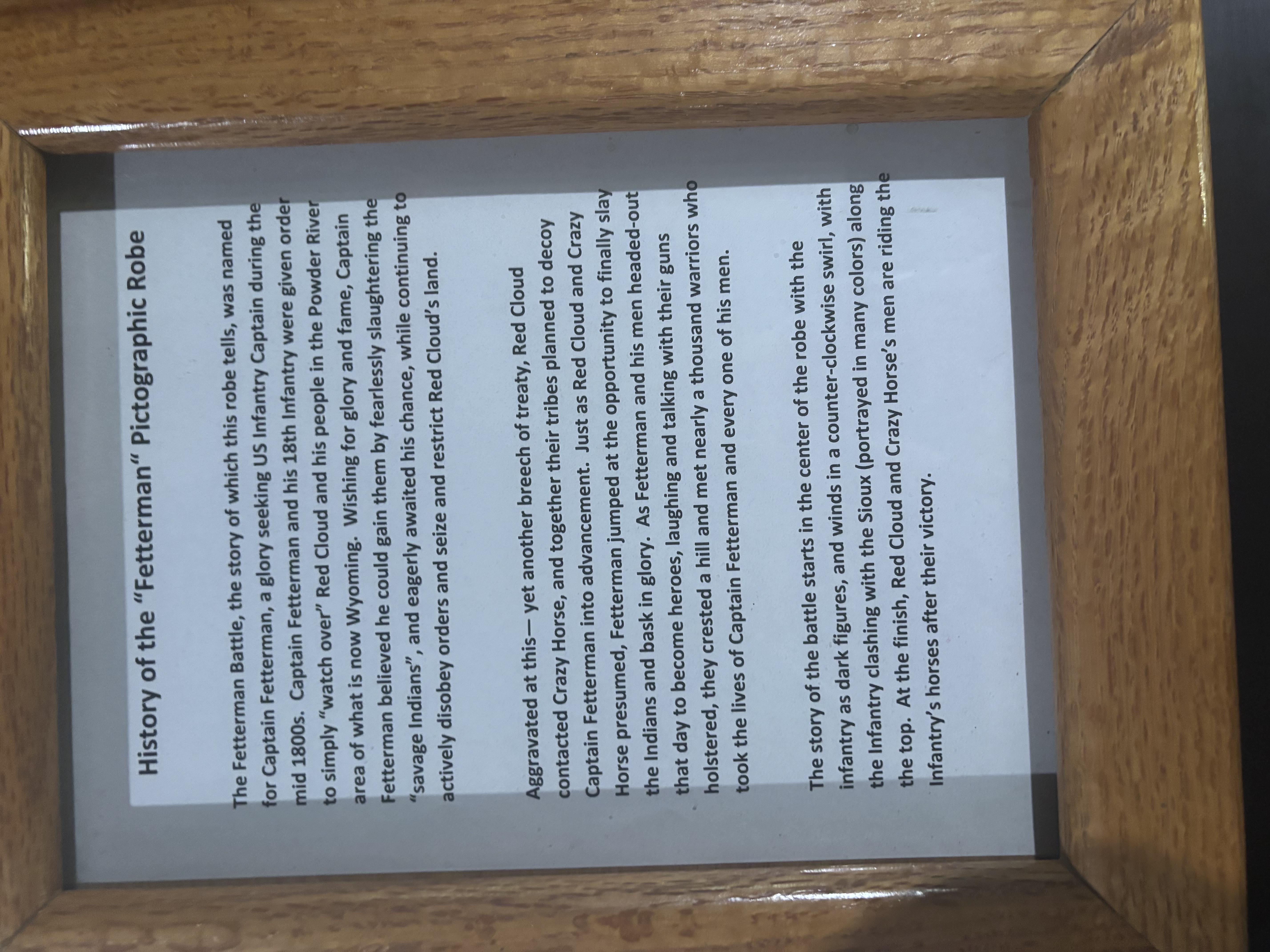
In 2013 during Bone’s Last Stand Tour, Mike and Bone stopped at Fort Fetterman, where Red Cloud, Sitting Bull, and Crazy Horse led the Fetterman Fight, also known as the Fetterman Massacre , which was a battle during Red Cloud's War on December 21, 1866, between a confederation of the Lakota, Cheyenne, and Arapaho tribes and a detachment of the United States Army, based at Fort Phil Kearny, Wyoming. The U.S. military mission was intended to protect travelers on the Bozeman Trail. A group of ten warriors, including Crazy Horse, acted to lure a detachment of U.S. soldiers into an ambush. All 81 men under the command of Captain William J. Fetterman were then killed by the Native American warriors. At the time, it was the worst military disaster ever suffered by the U.S. Army on the Great Plains.
This is the actual buffalo robe that depicts the Lakota/Cheyenne victory over Captain William Fetterman’s U.S. Army unit in Wyoming through stylized, chronological, or symbolic images on hide.
These pictographs were created to record significant war exploits and honor the bravery of native warriors like Red Cloud or Crazy Horse in a counterclockwise narrative, show the collision between the U.S. Infantry and native warriors, with figures wearing traditional dress and using bows or guns. After 20 minutes the Boys had toured the Center and cooled down! Time to hit the road to be bad, in the Badlands!
Setting up "Camp" at Grandpa Joe's: Lord of the Flies!
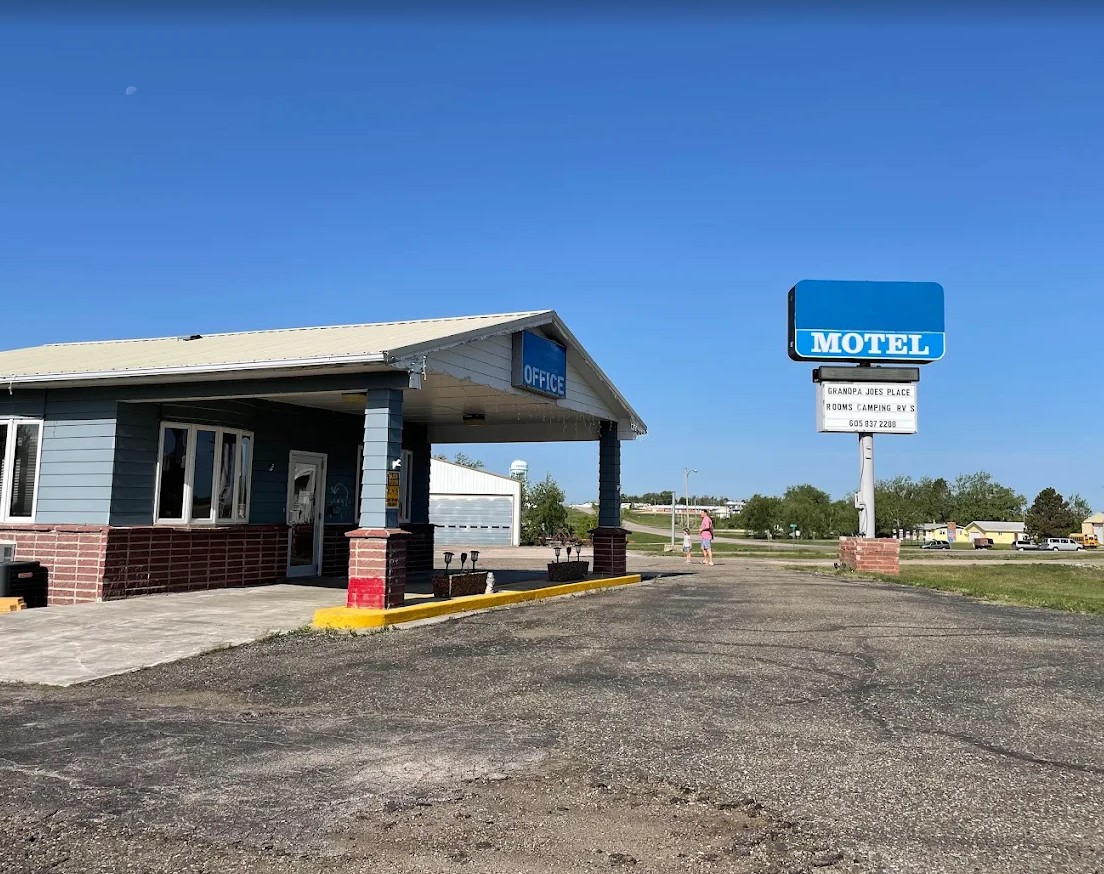
Kadoka South Dakota, population 543 is in the Southwestern part of the state, but smack dab in Injun Country! Mike and Bone were here to sue for peace with the Sioux, and right next the Pine Ridge seemed to be a good place to set up for a couple of days! A dearth of options in a small town led the Boys to a former Ramada (notice the hand-painting over the Ramada part in the sign above!), now known as Grandpa Joes!
Two of those 543 in Kadoka were Grandpa Joe's and his wife. Grandpa Joes showed up on the hotel sites with the three "C's" close! cheap! and clean!
Checking Grandpa Joe immediately took to the Boys and started to tell them 'bout all his battles the the City over his Hotel as they were checking in with his all so quiet wife. He complained that the city was after him for having junk all over his property. After getting their keys and heading to their Motel room and observing a green moldy pool with junk in obviously for some time - the City might have been right!
It was still early enough in the day that the Boys wanted to stretch their legs a bit on a hike, so how about a good ole' hike in the Badlands!?!
Mike and Bone Touring the Badlands!!
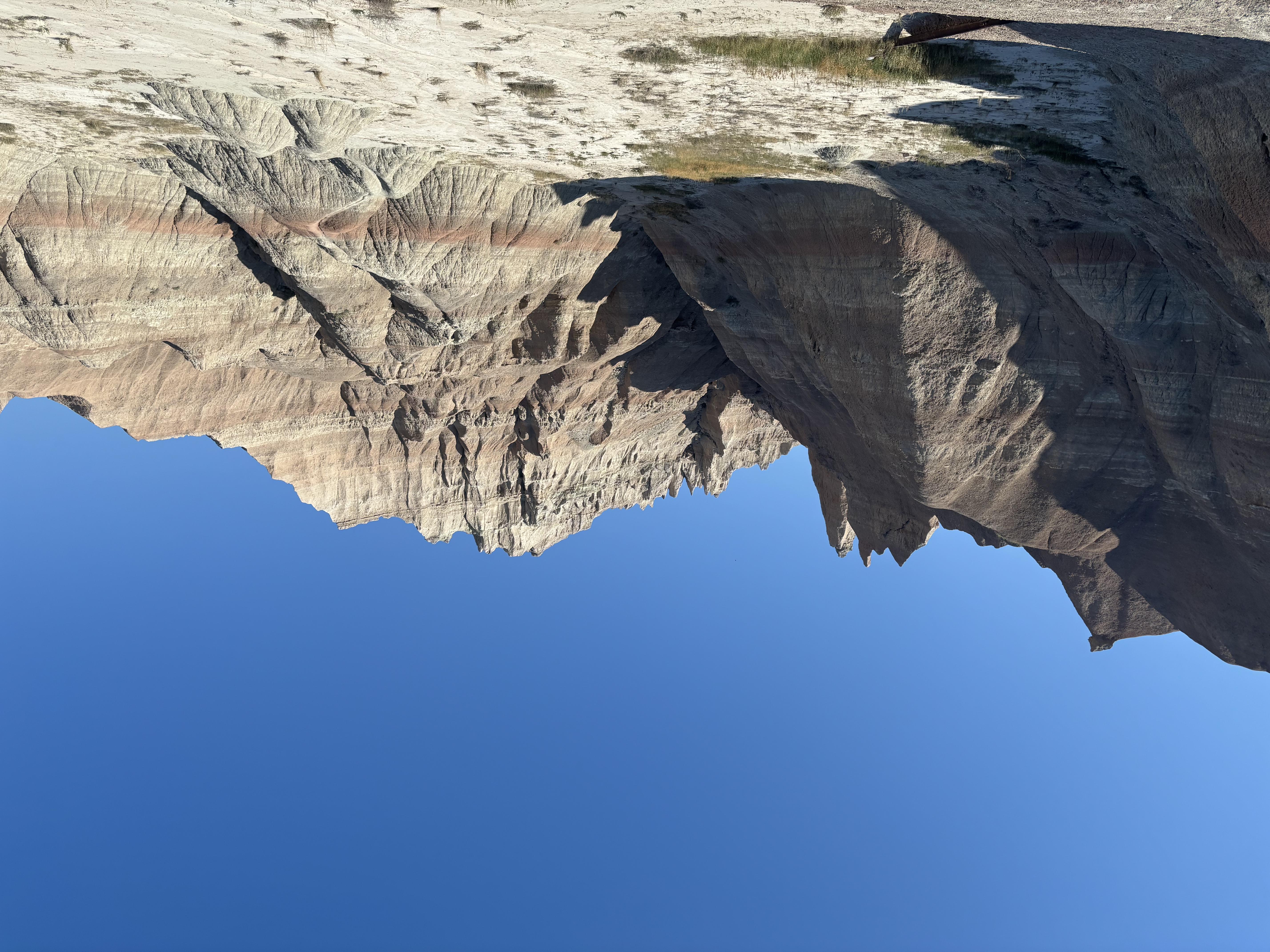
The Badlands National Park (Lakota: Makȟóšiča) is an amazing panorama of sharply eroded buttes and pinnacles, along with the largest undisturbed mixed grass prairie in the United States. The National Park Service manages the park, with the South Unit being co-managed with the Oglala Lakota tribe.
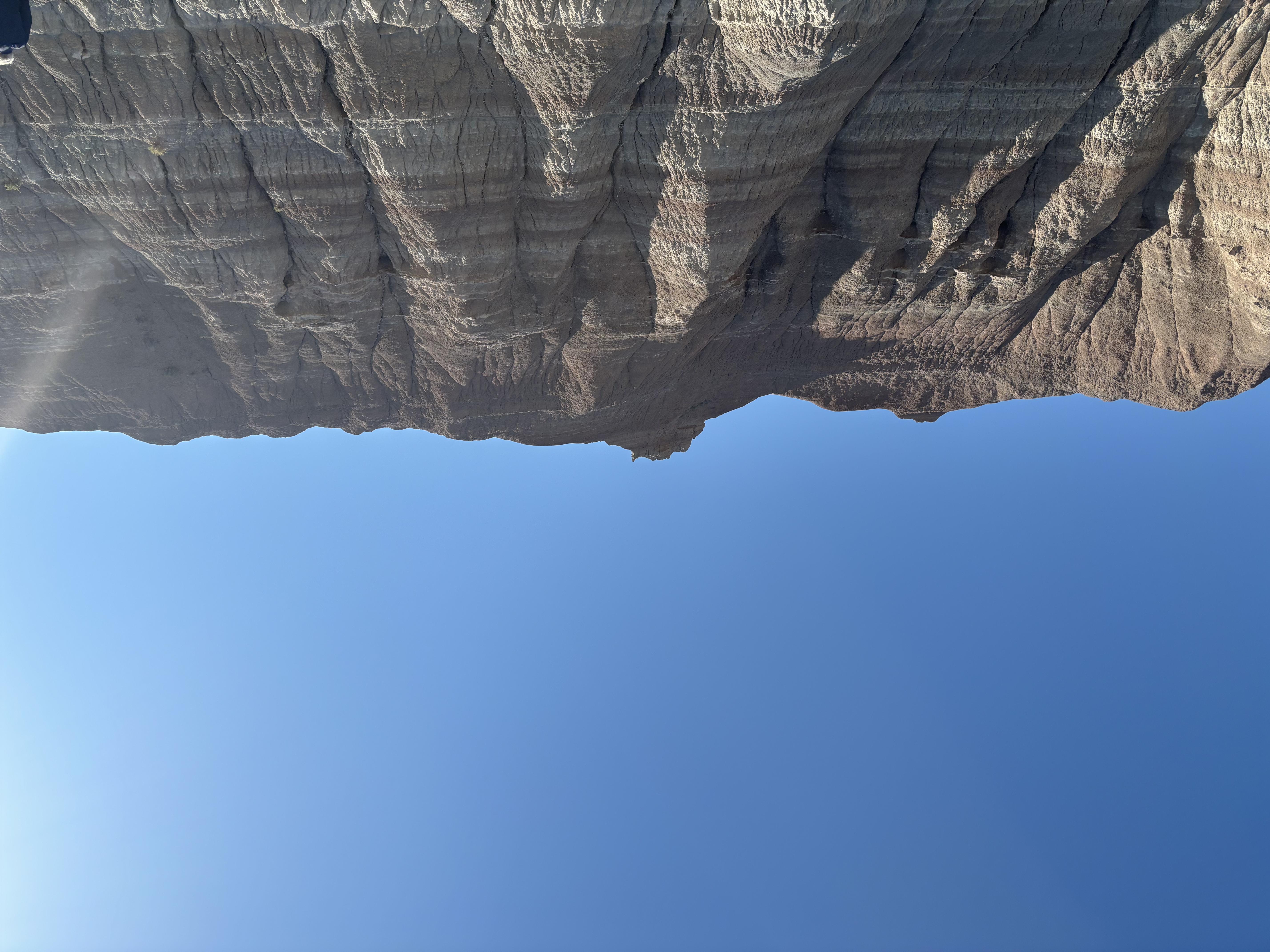
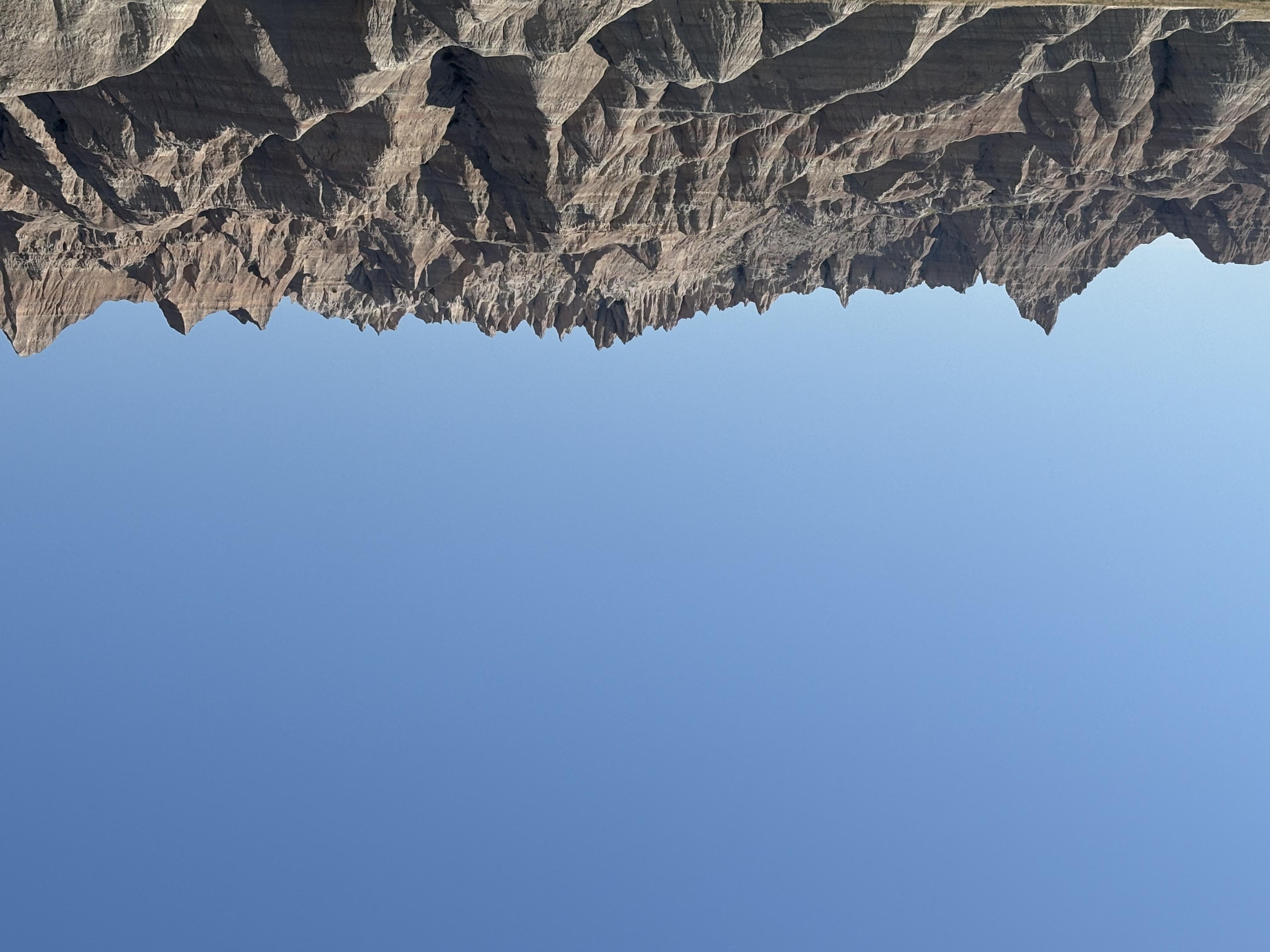
Authorized as Badlands National Monument on March 4, 1929, it was not established until January 25, 1939. Badlands was redesignated a national park on November 10, 1978. Under the Mission 66 plan, the Ben Reifel Visitor Center was constructed for the monument in 1957–58. The movies Dances with Wolves (1990) and Thunderheart (1992) were partially filmed in Badlands National Park.
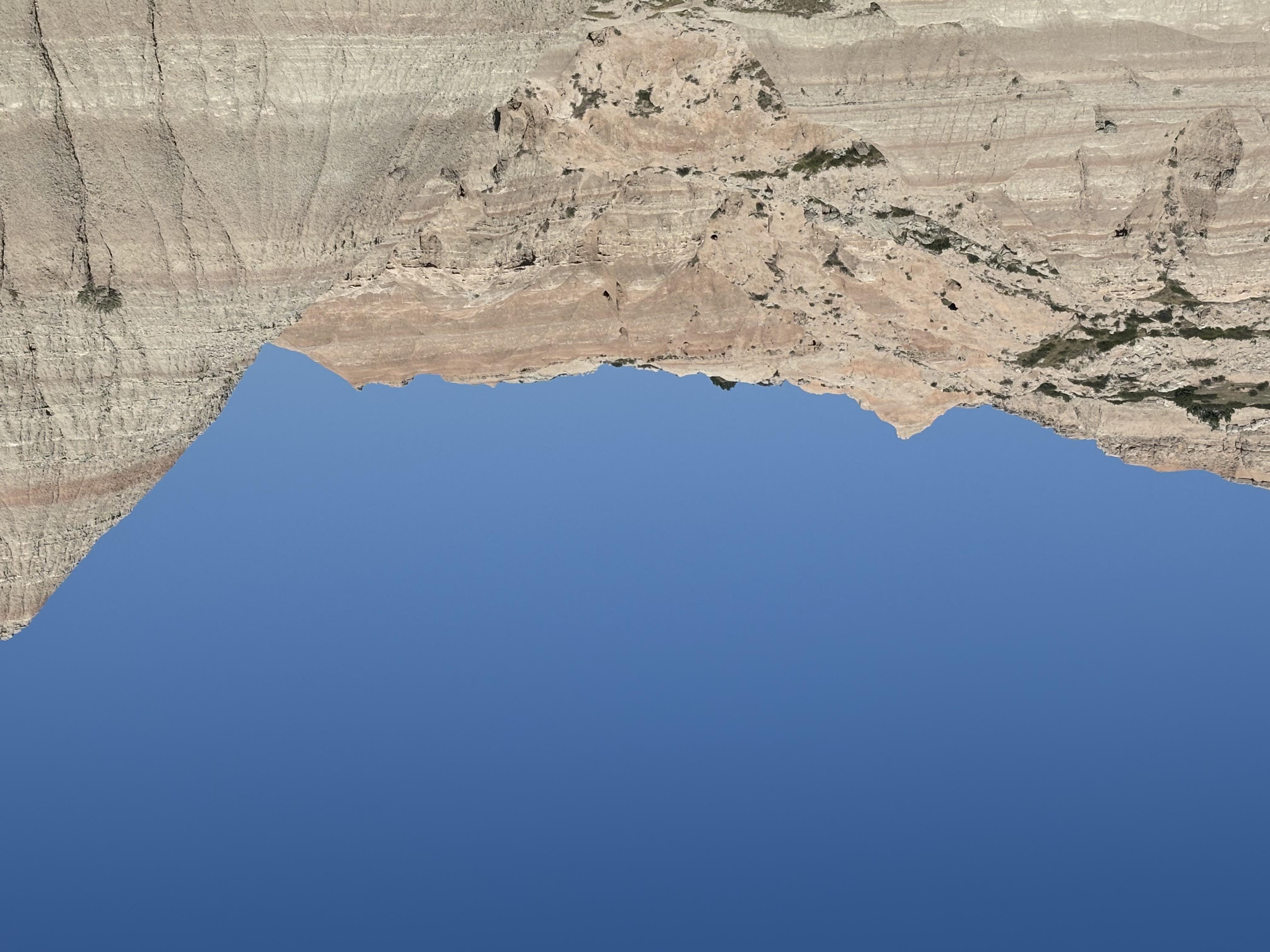
This national park was originally a reservation of the Oglala Sioux Indians and spans the southern unit of the park. The area around Stronghold Table was originally Sioux territory, and is revered as a ceremonial sacred site rather than a place to live.
In 1868, at the Second Treaty of Fort Laramie, the United States assured the Sioux that the Badlands shall forever be the property of the Sioux. In 1889, however, the treaty was broken and the Badlands were confiscated by the United States. It kinda makes you re-think what the term “Indian giving” means!
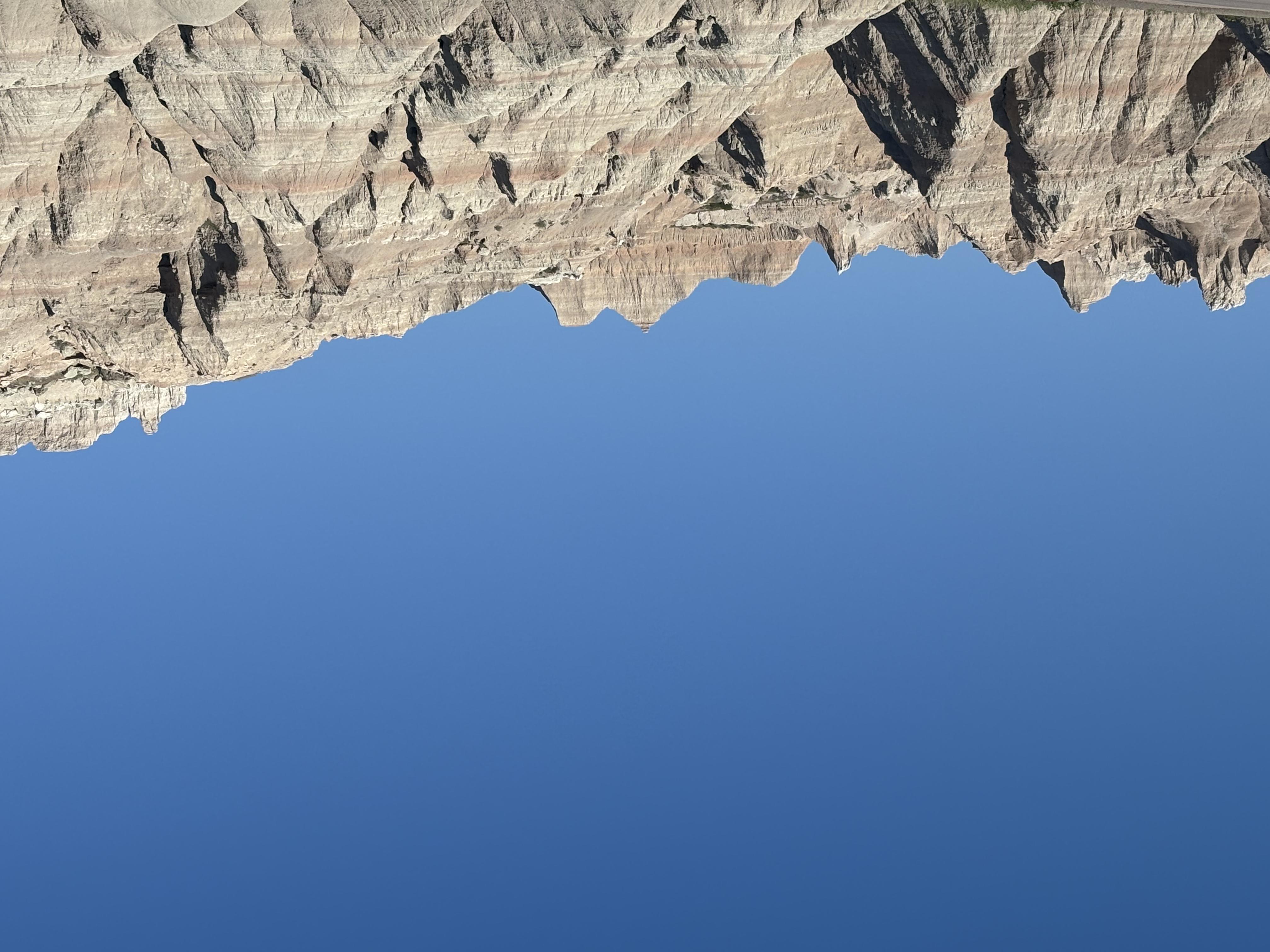
At the end of the 19th century, the Sioux Indians used this area as the site of the Ghost Dance, a ceremony to revive the souls of buffalo and the dead. After the last ghost dance in 1890, the United States banned the ritual, but it was revived by the Red Power movement, a movement to restore Indian rights that began in the 1960s. In 1980, the U.S. Supreme Court awarded compensation to the Sioux for the abrogation of the 1868 treaty, but the Sioux did not accept the money.
Today, however it was super hot! (In the nineties) and a very few people in the park. However, Mike had a download of all the trails on his phone!
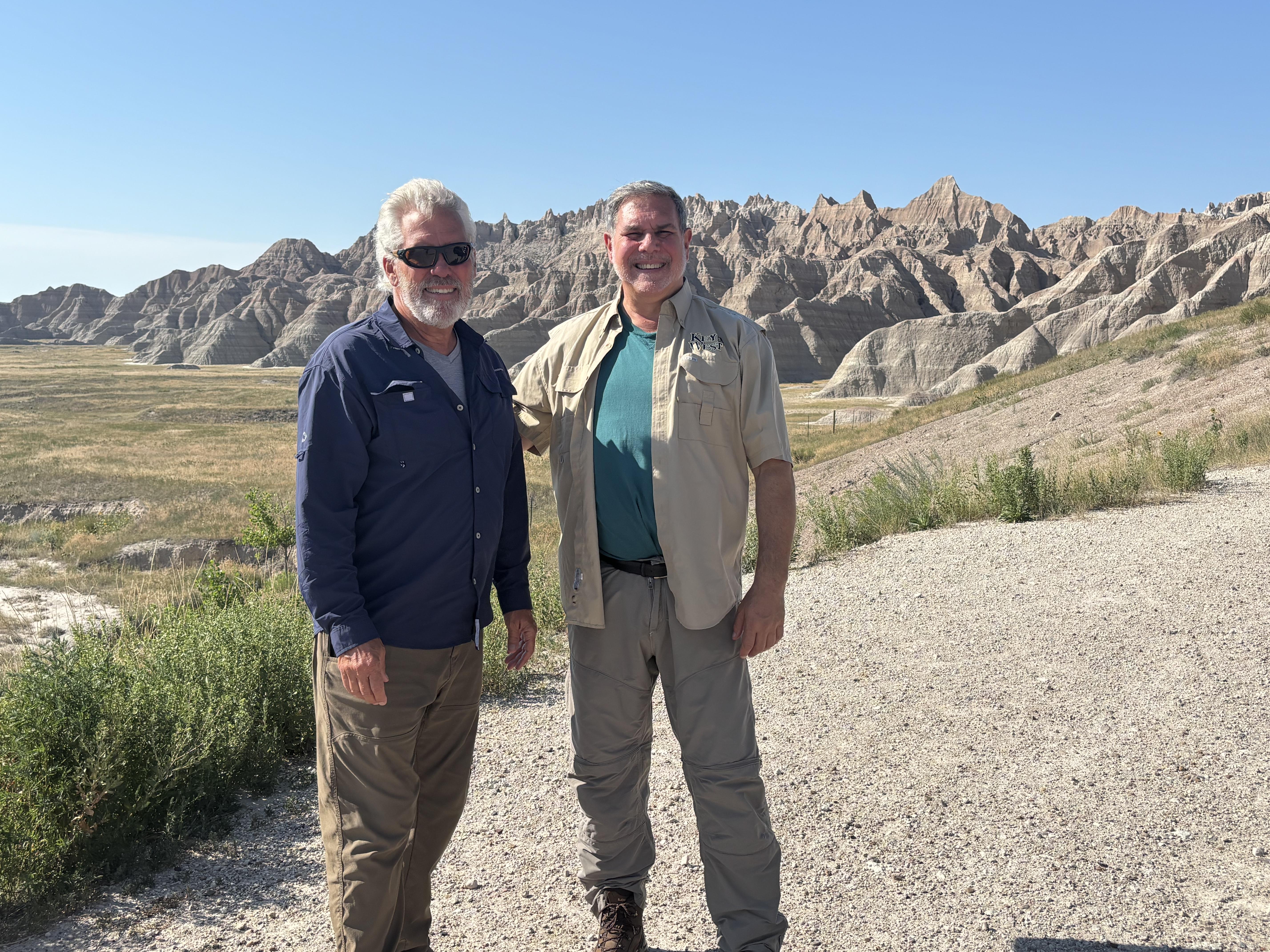
Mike and Bone, On the Trail!
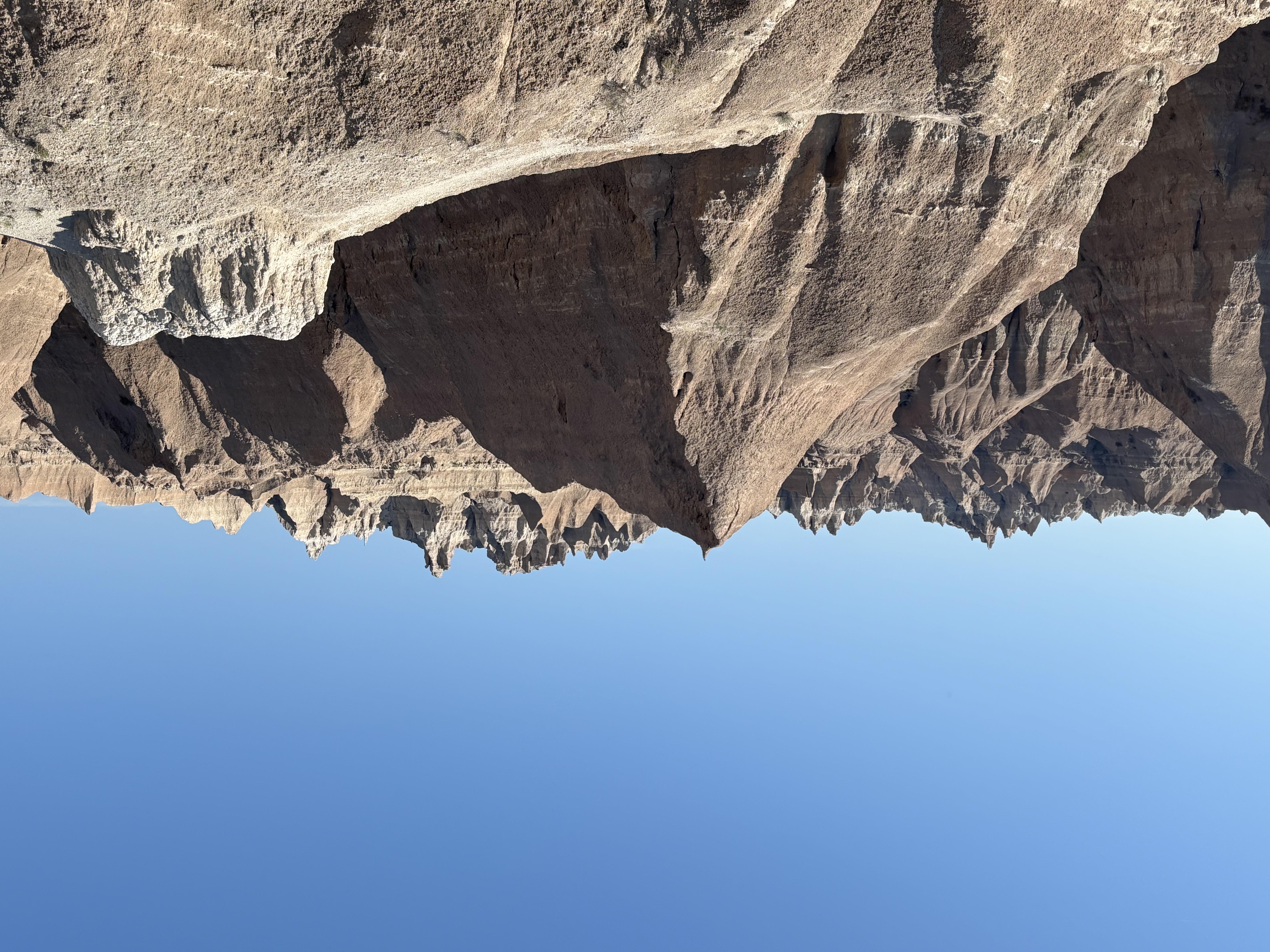
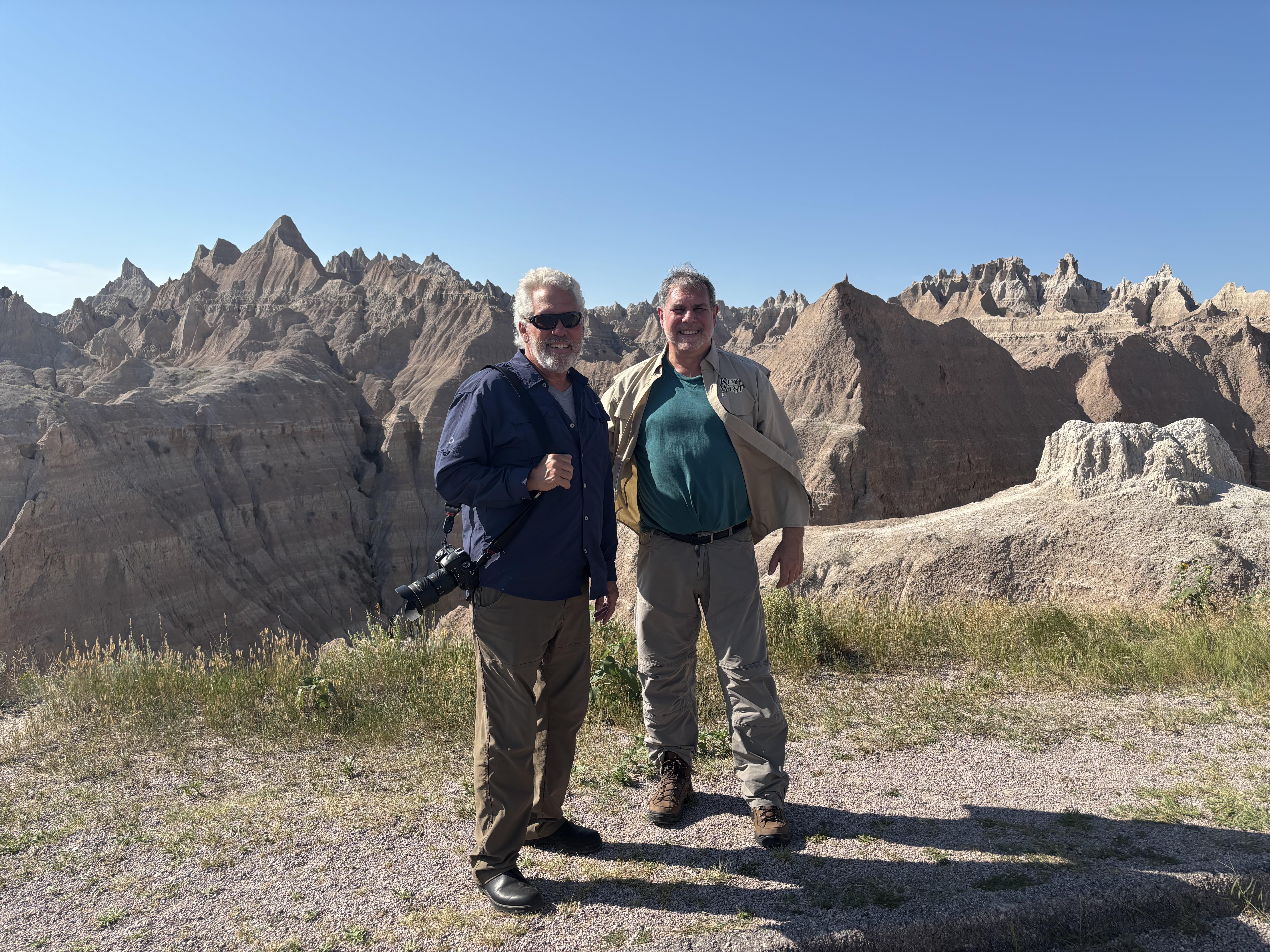
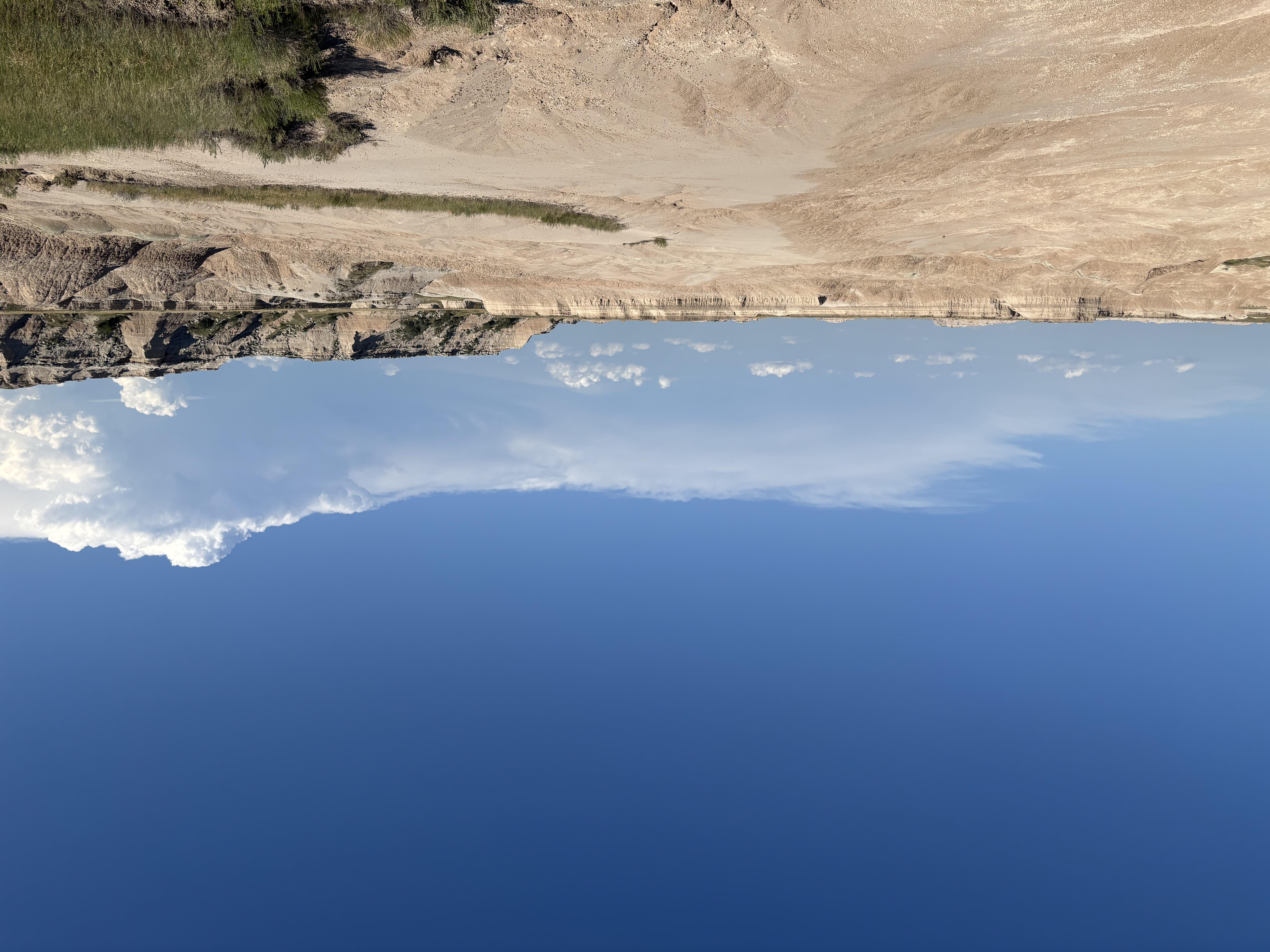
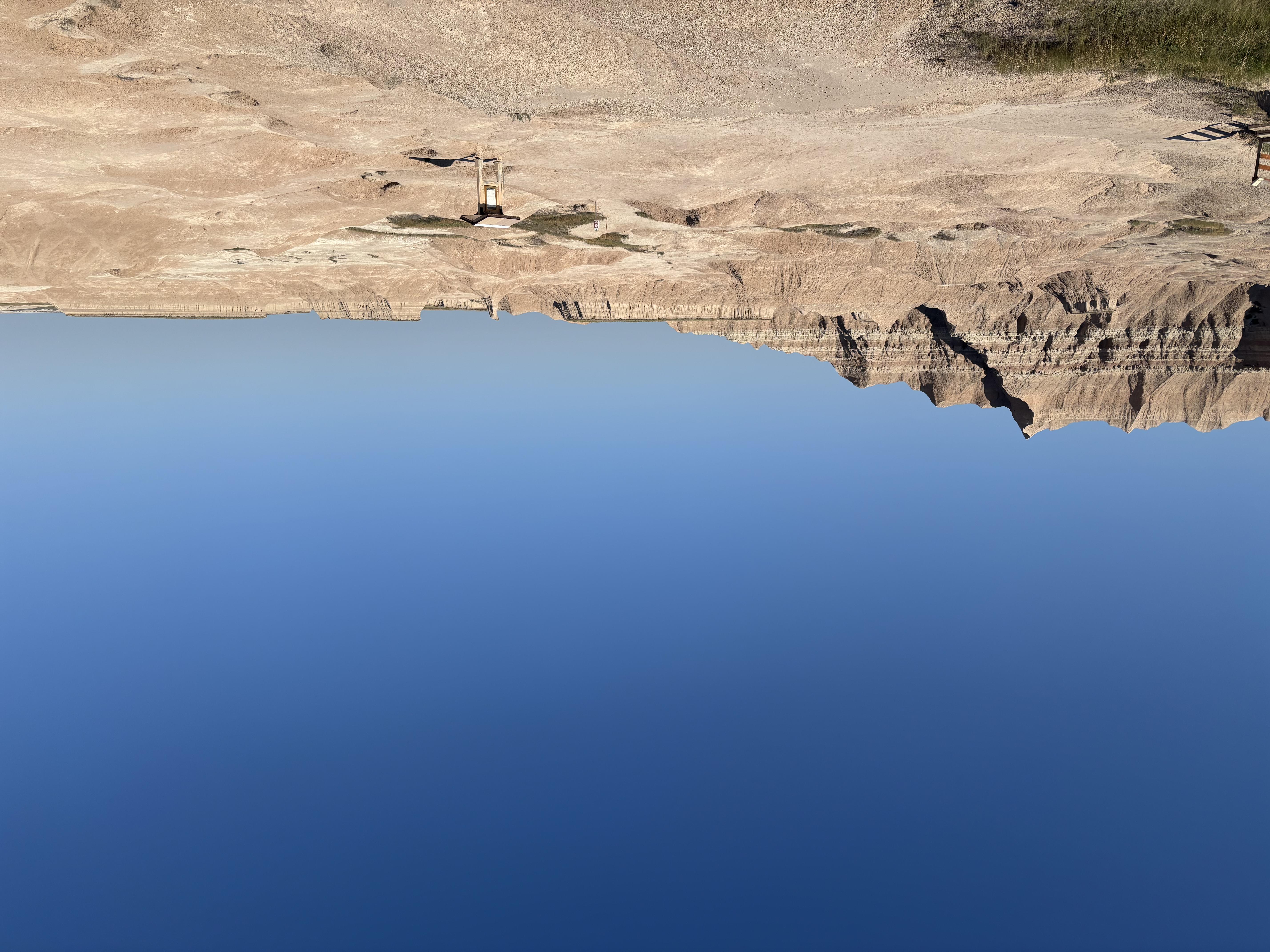
The best way to start any adventure is to go through the Door, so Mike and Bone did! There is an easy 3/4 of a mile trail with an accessible ¼ mile boardwalk leads through a break in the Badlands Wall known as "the Door" and to a view of the Badlands. From there, the maintained trail ends and the "Door" trail begins.
Mike and Bone, Now on the Castle Trail!
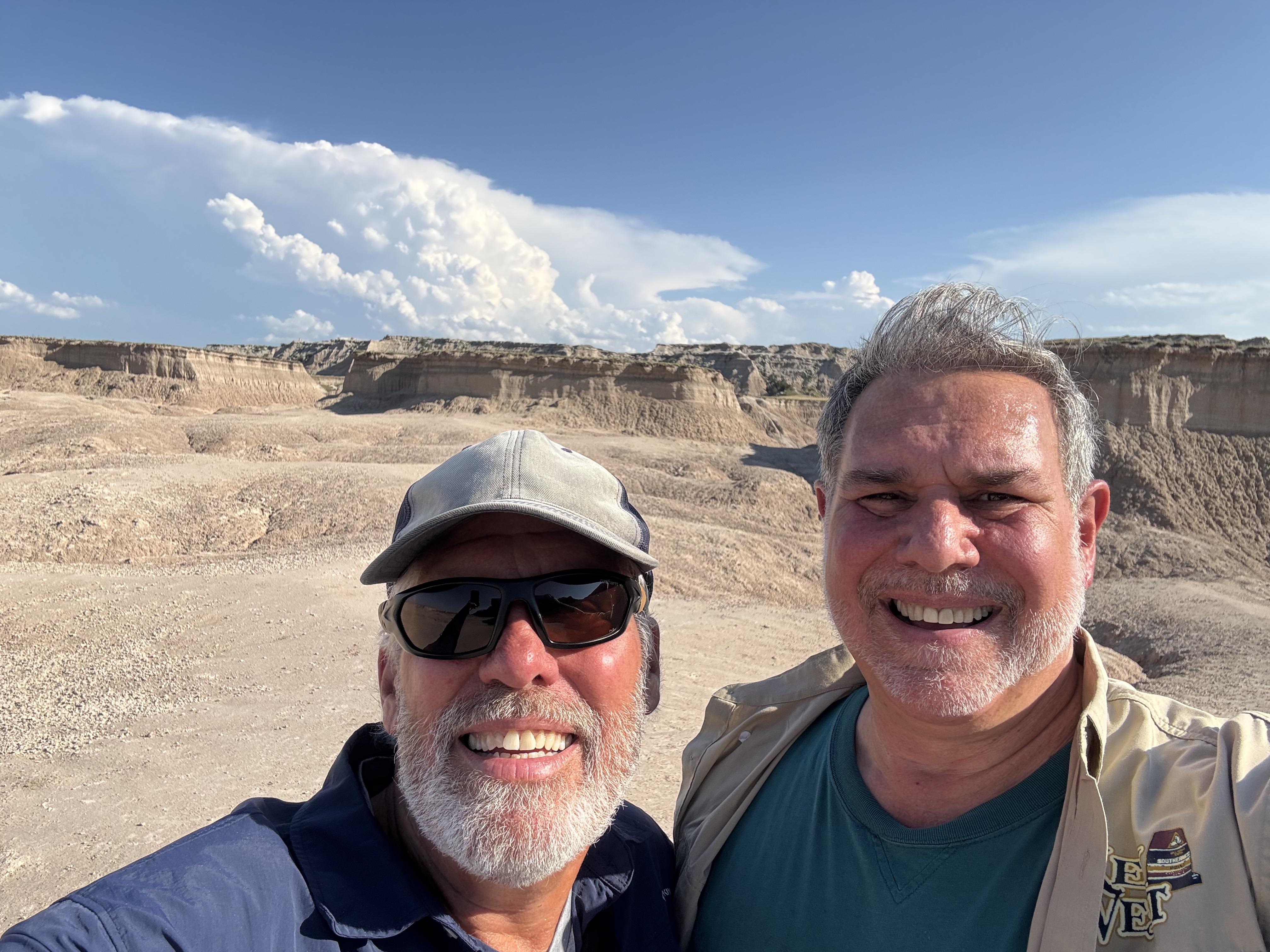
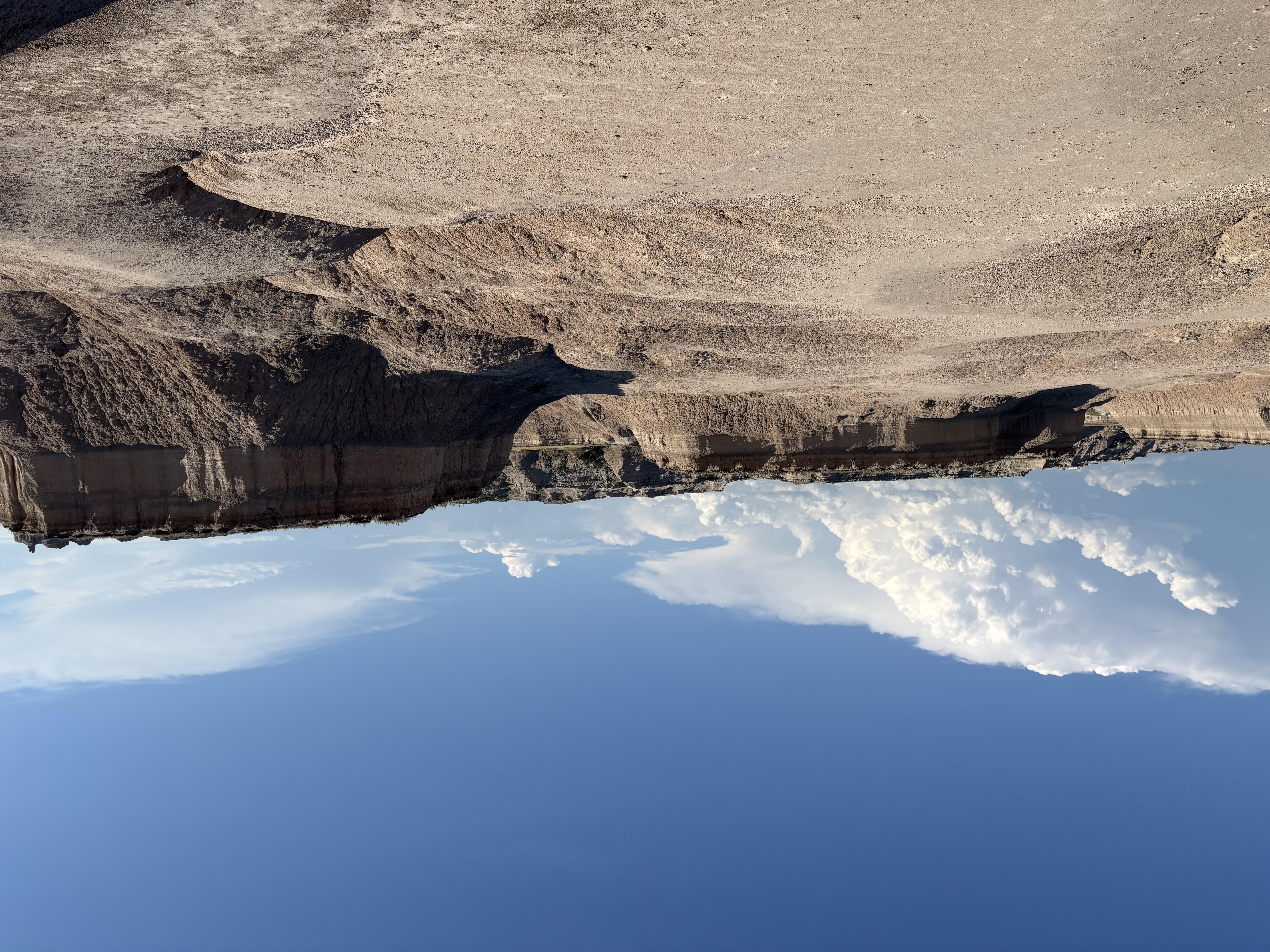
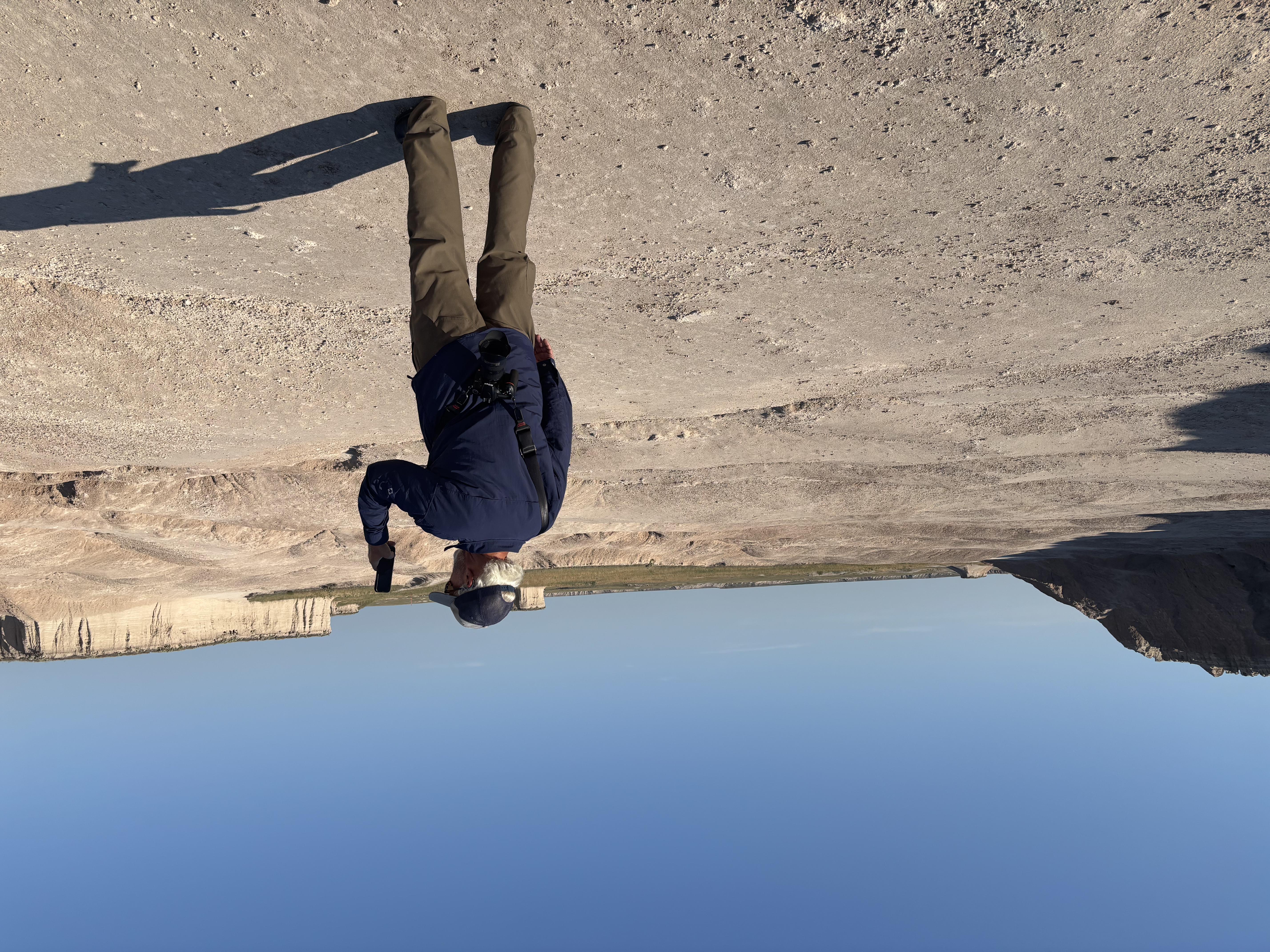
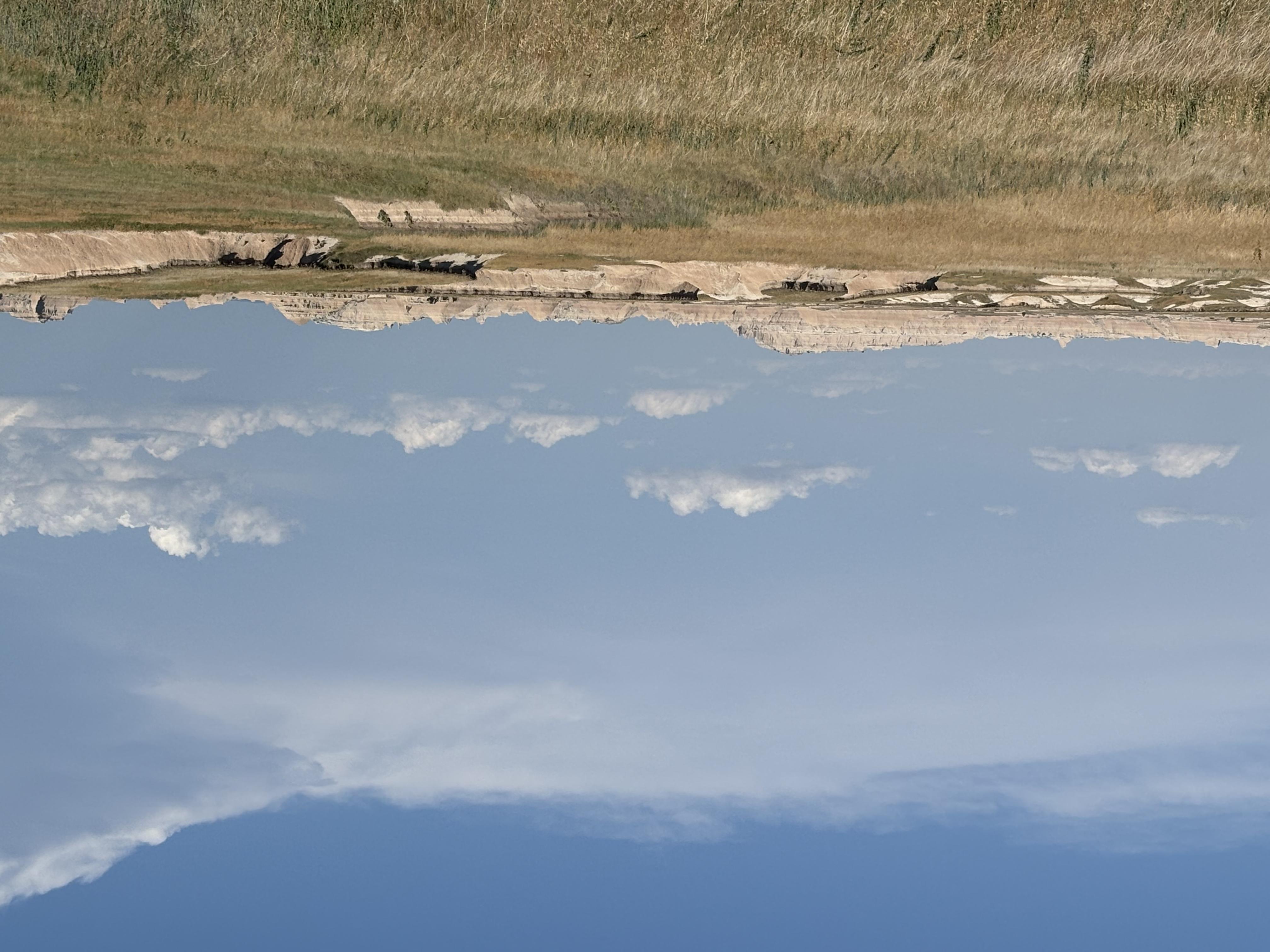
The "Door" trail leads into the longest trail in the Park, the "Castle" Trail, once the Boys got to the end of the Door, they went right into the Castle!!
Magnificent Desolation!
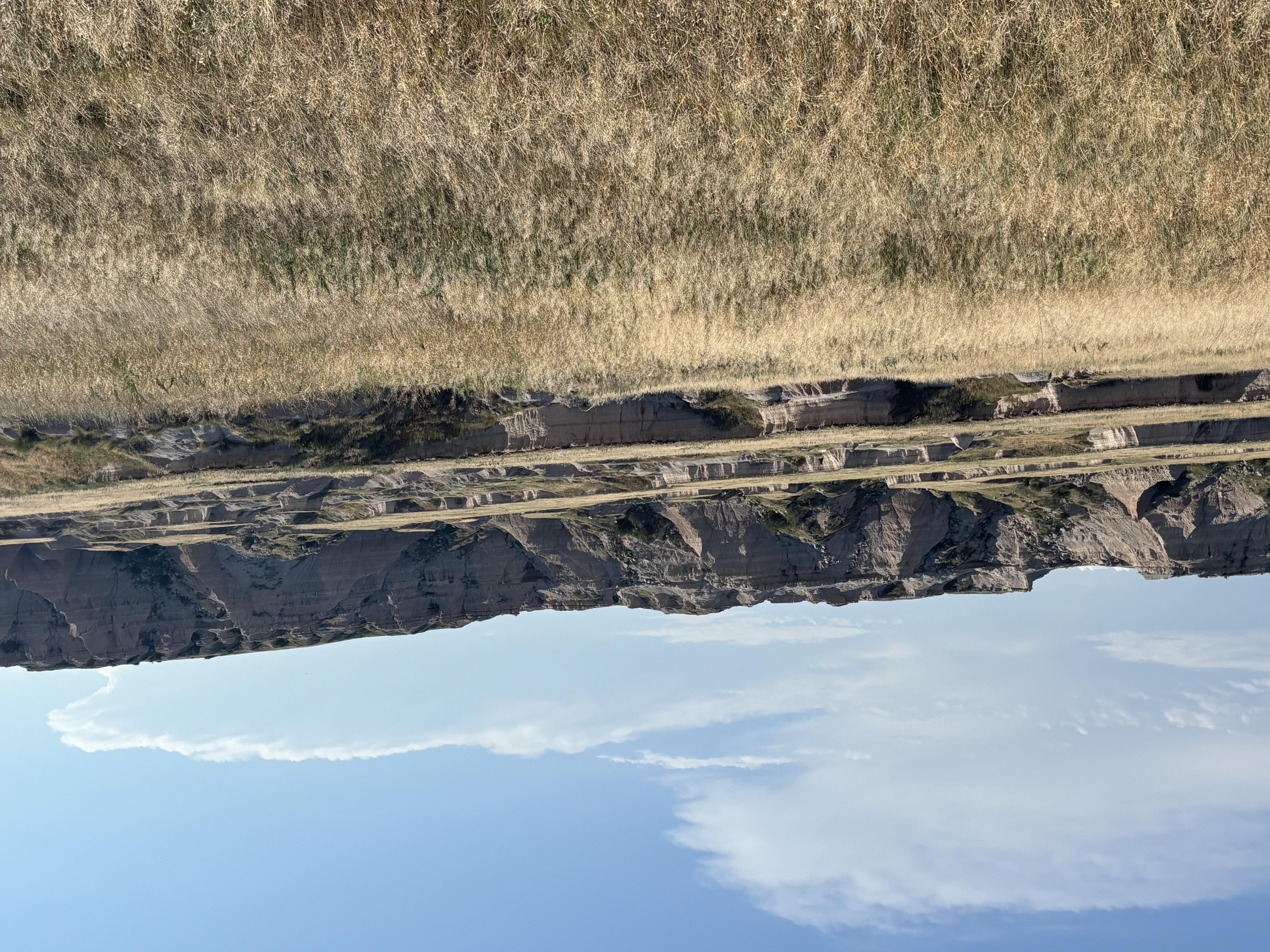
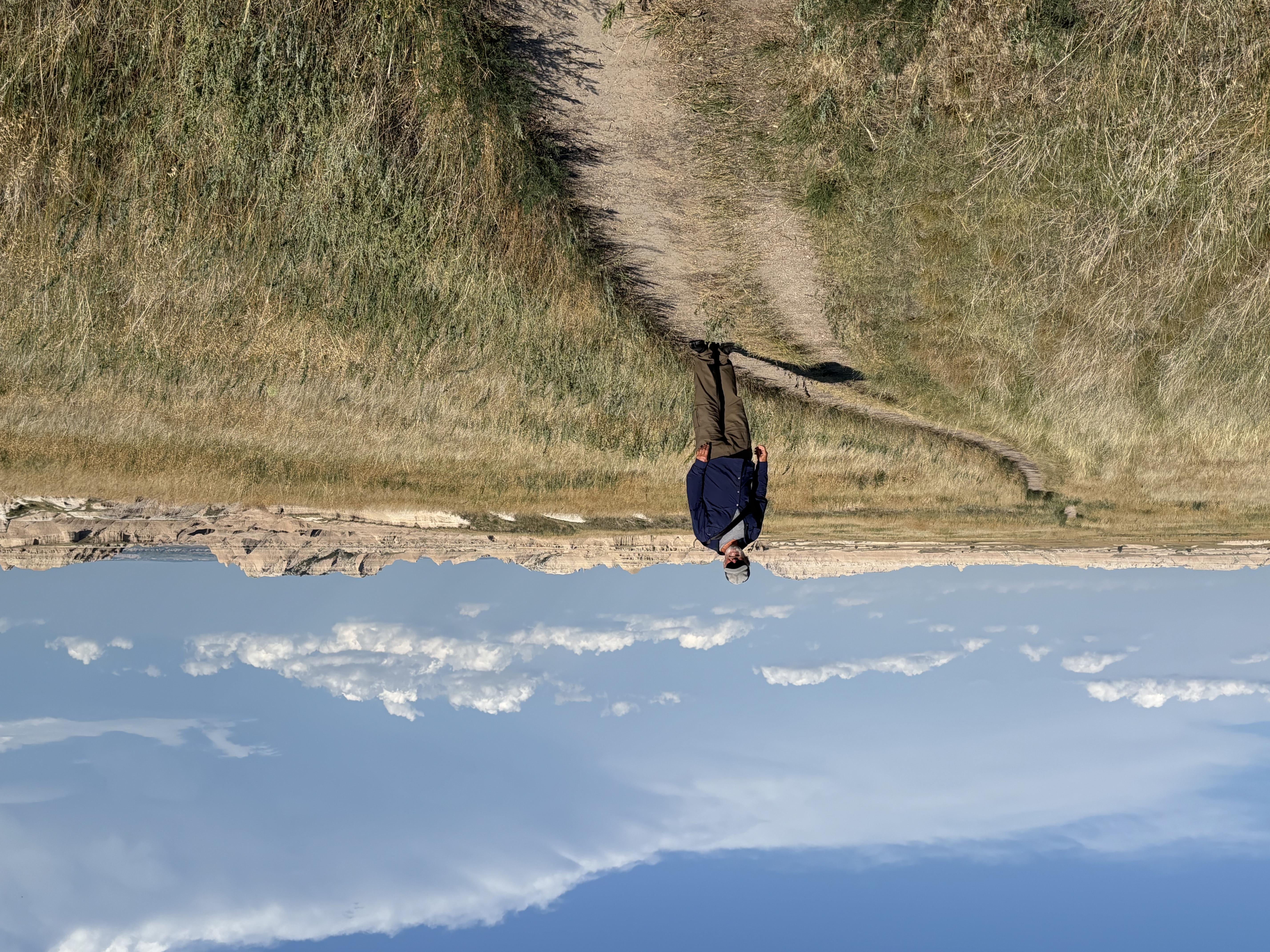
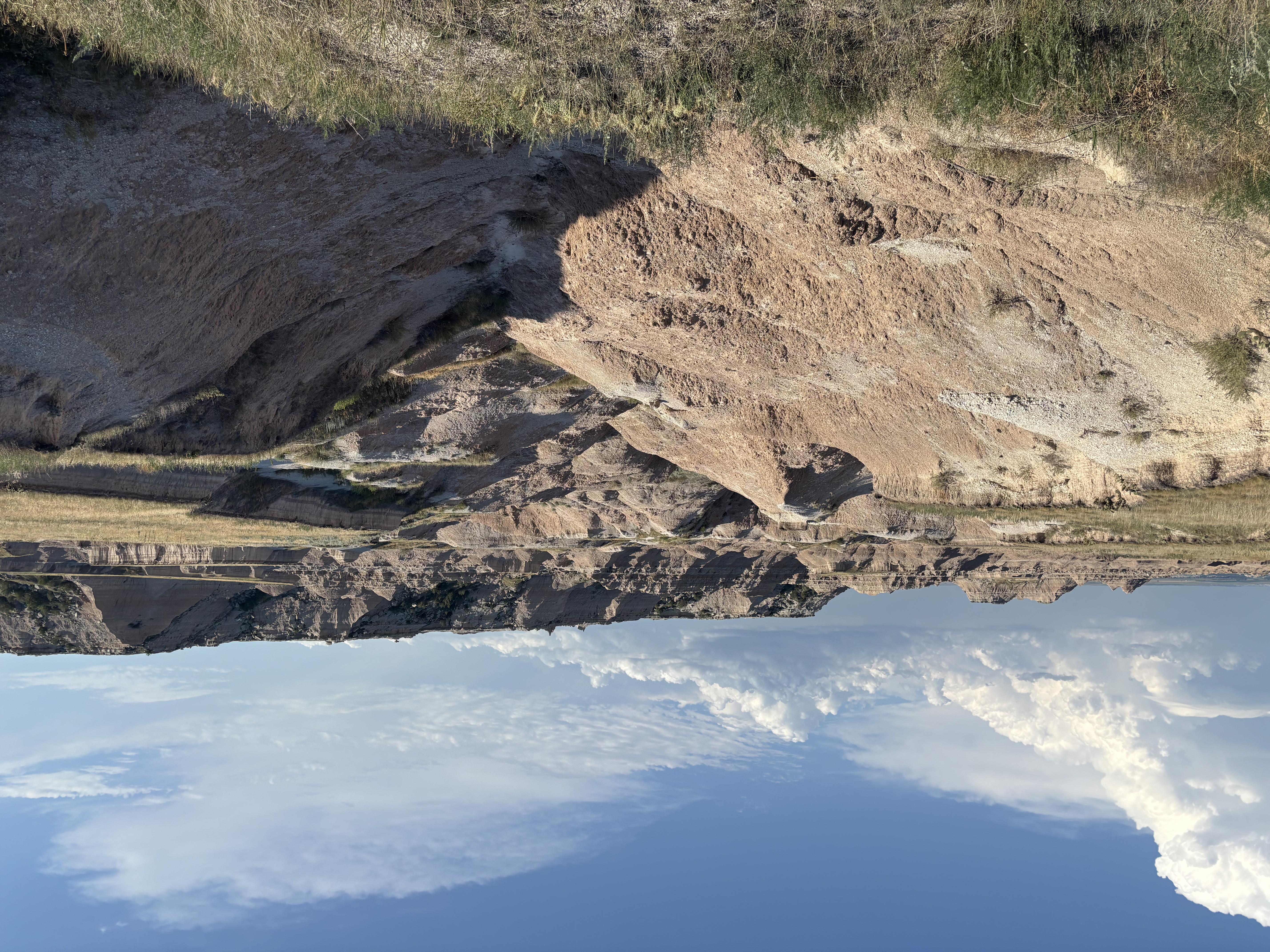
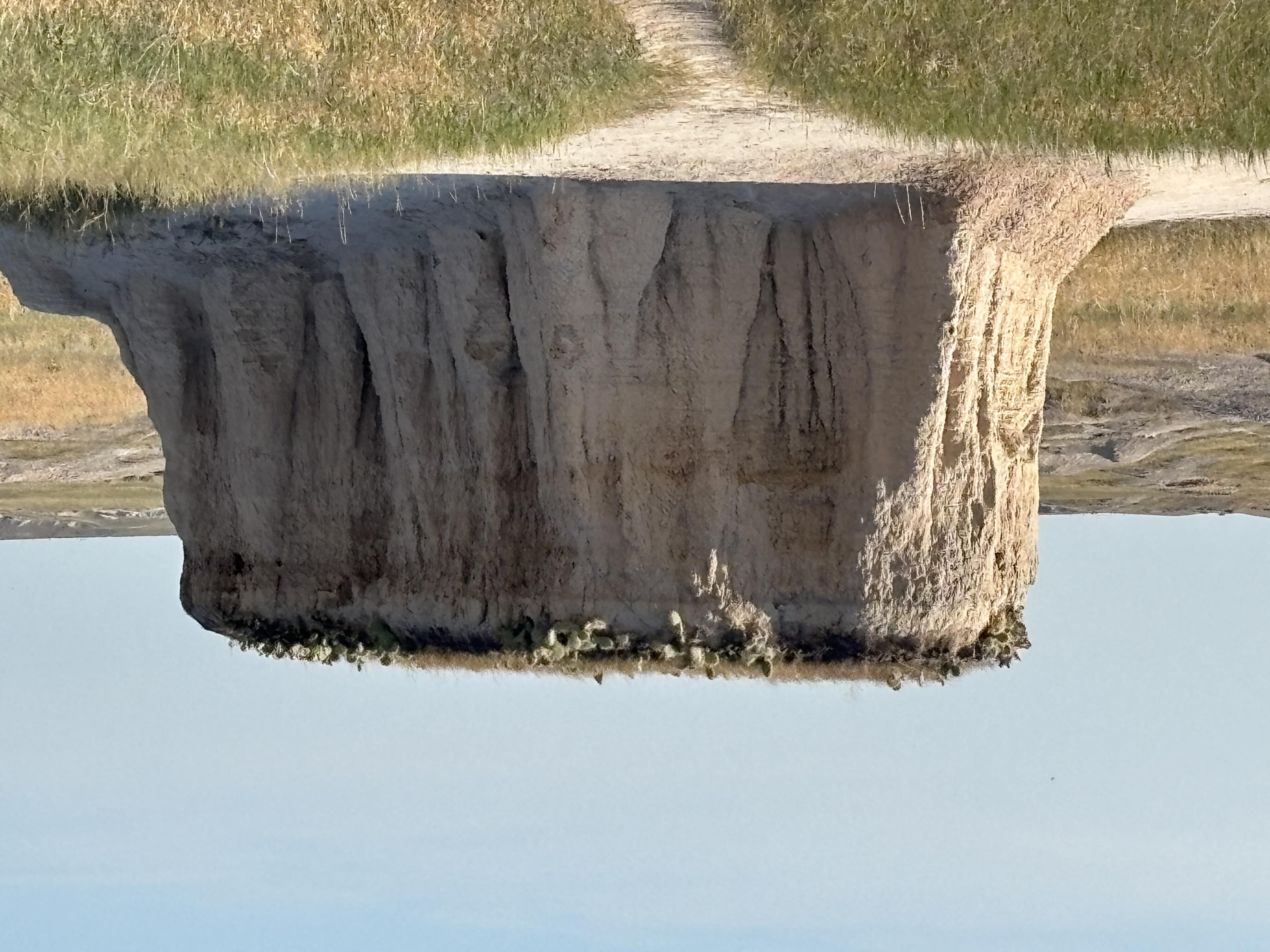
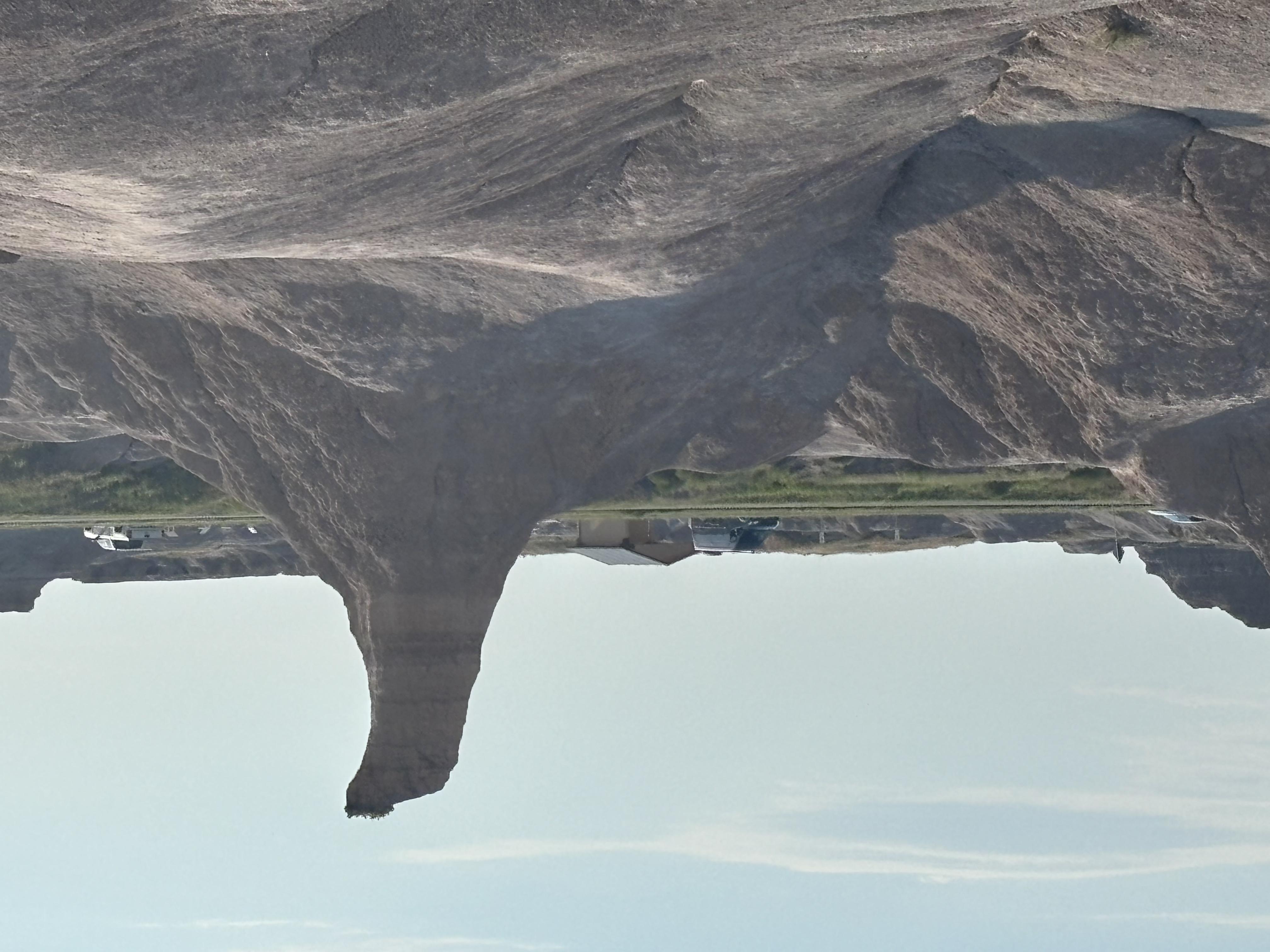
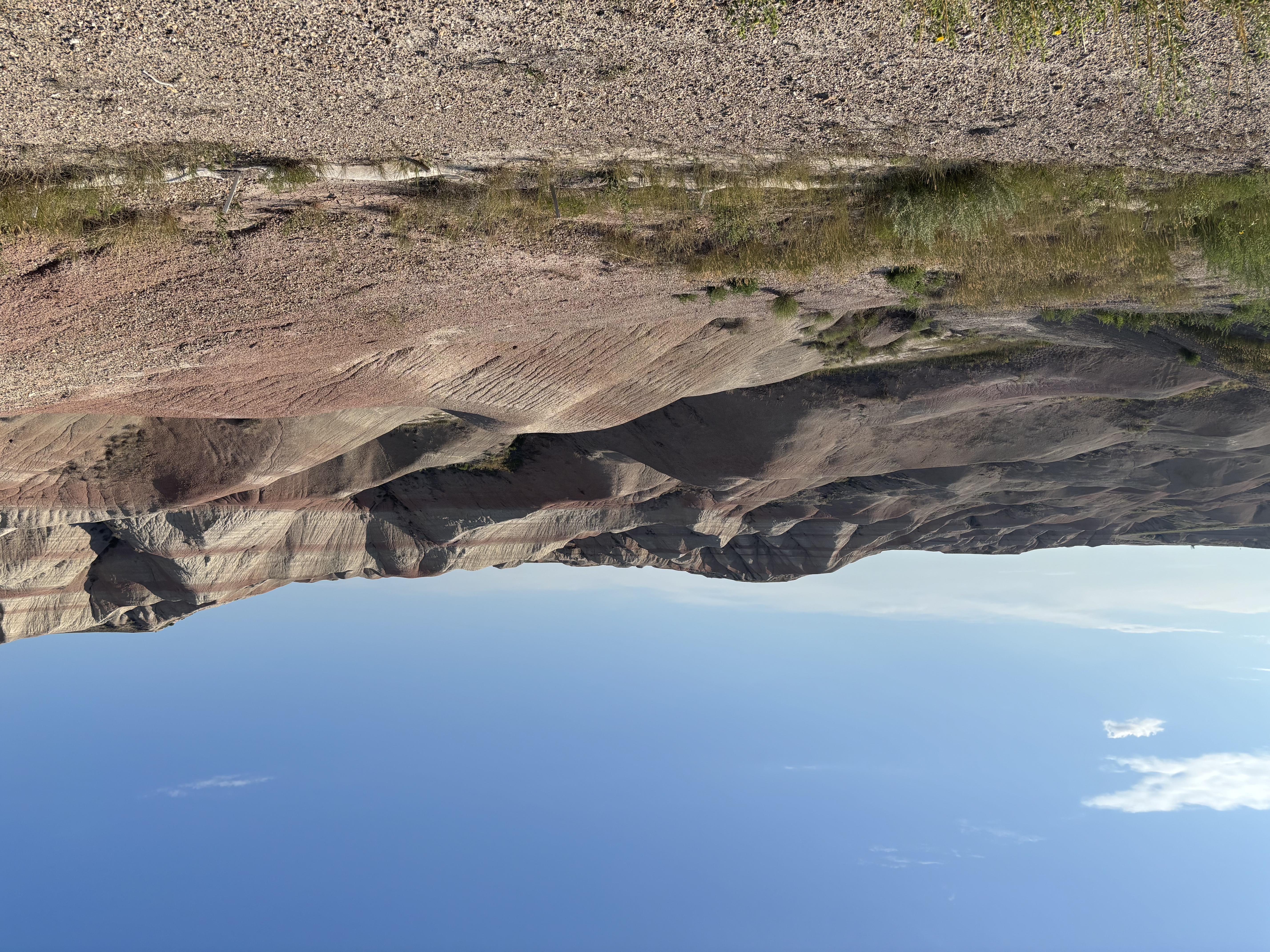
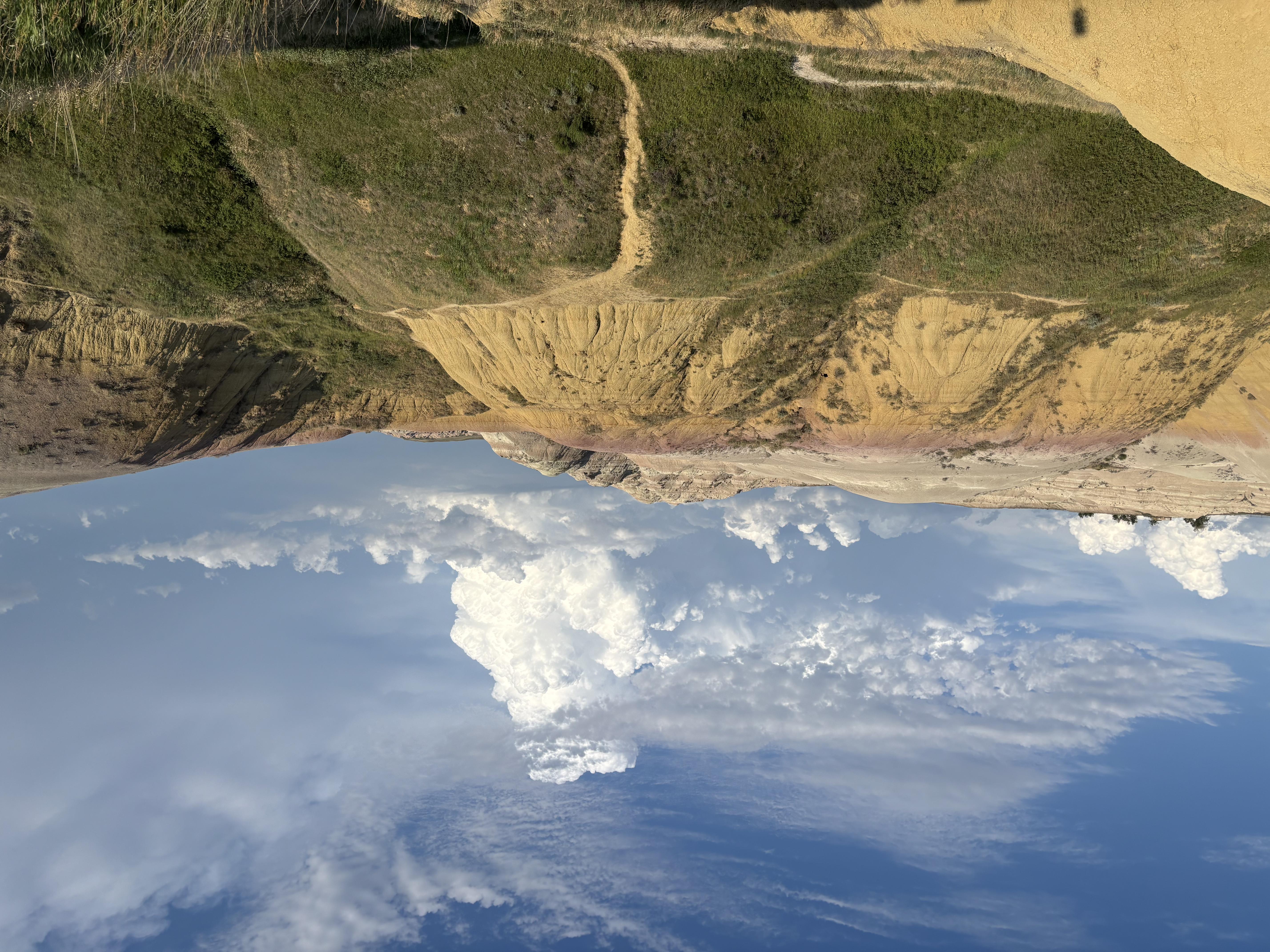
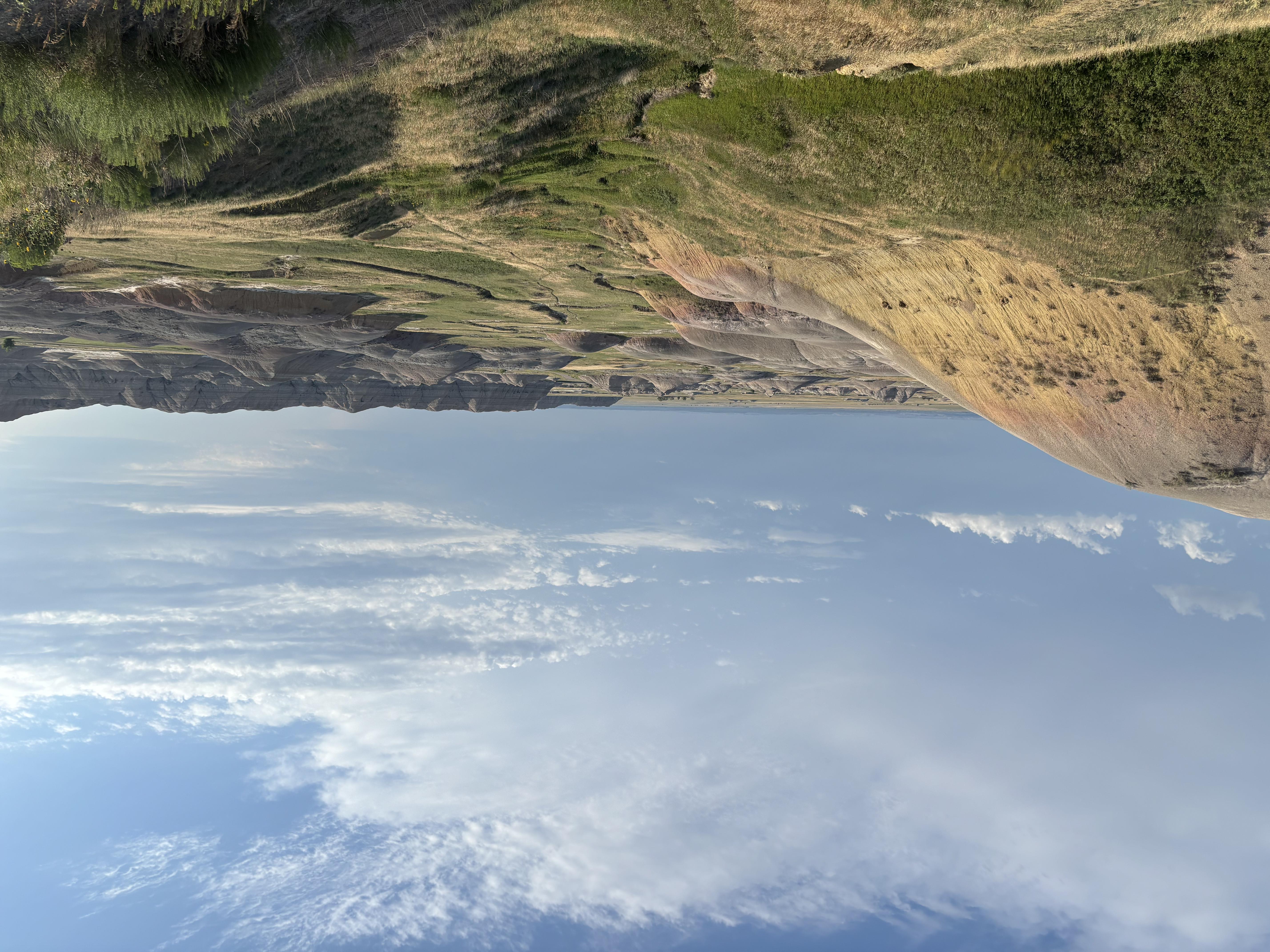
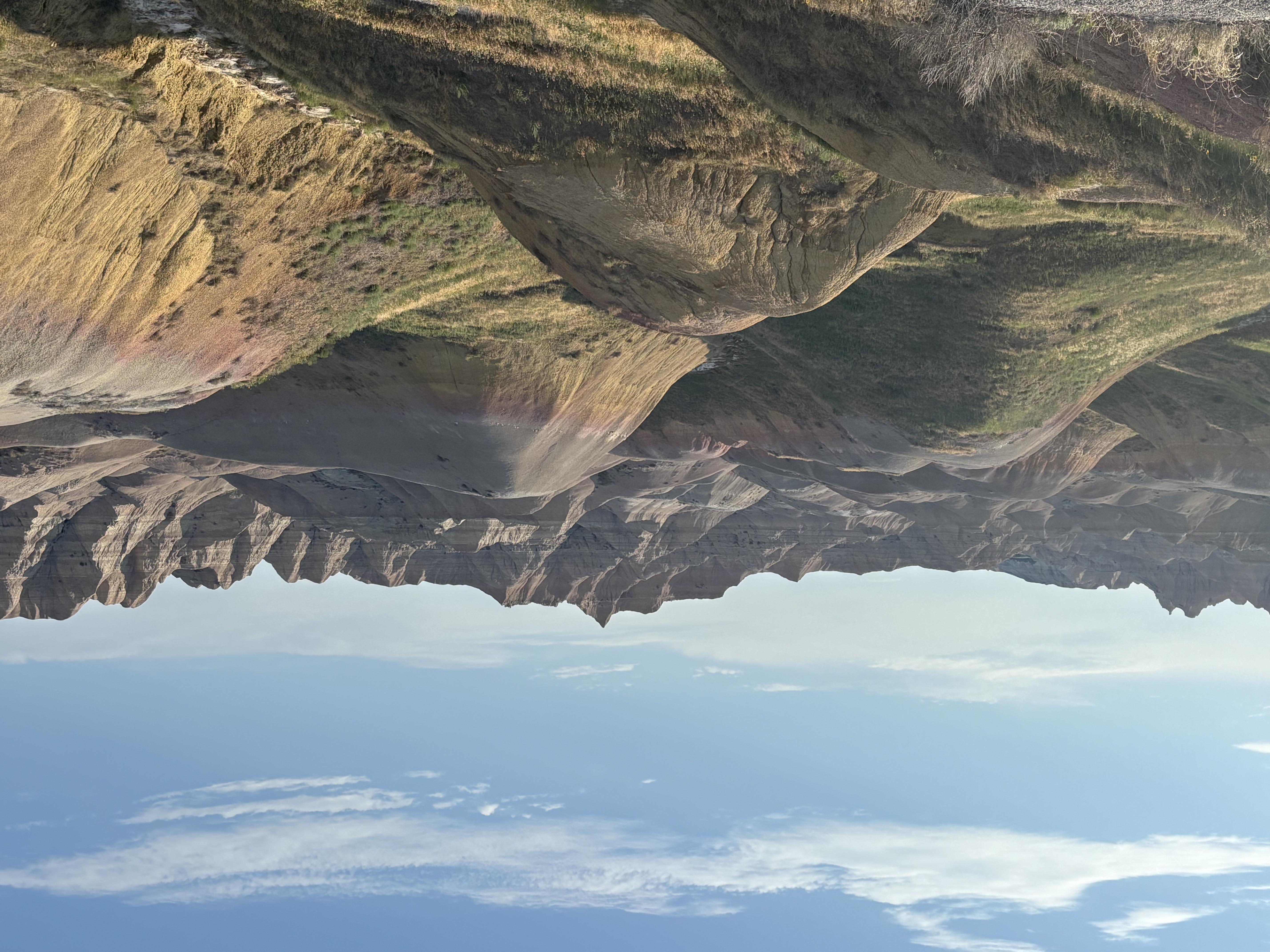
Mike and Bone only went for another mile on the Castle since it was already pushing 6:00 PM, but they did see some absolutely stunning scenery in the scorching sun!
Beautiful Buttes!
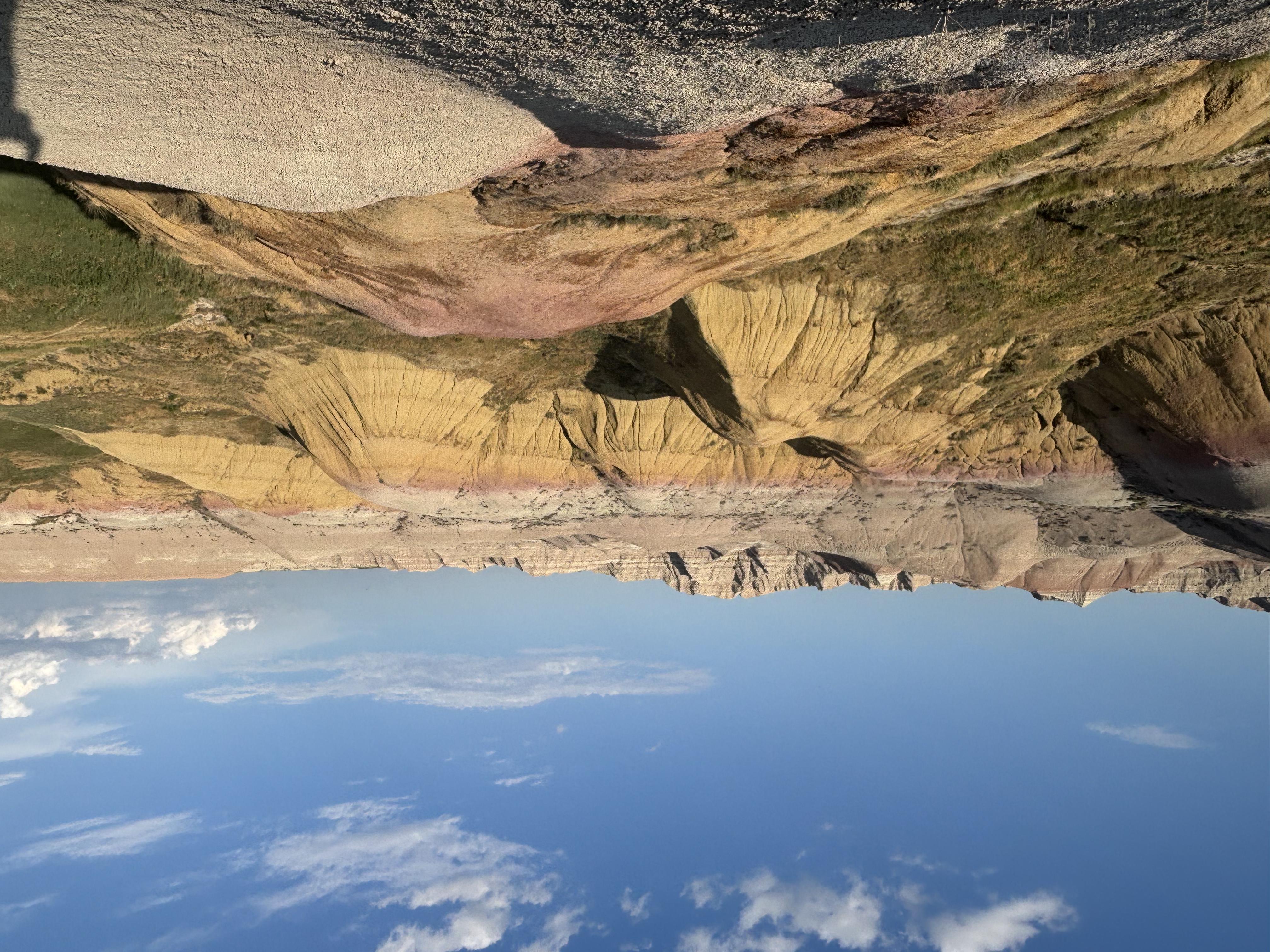
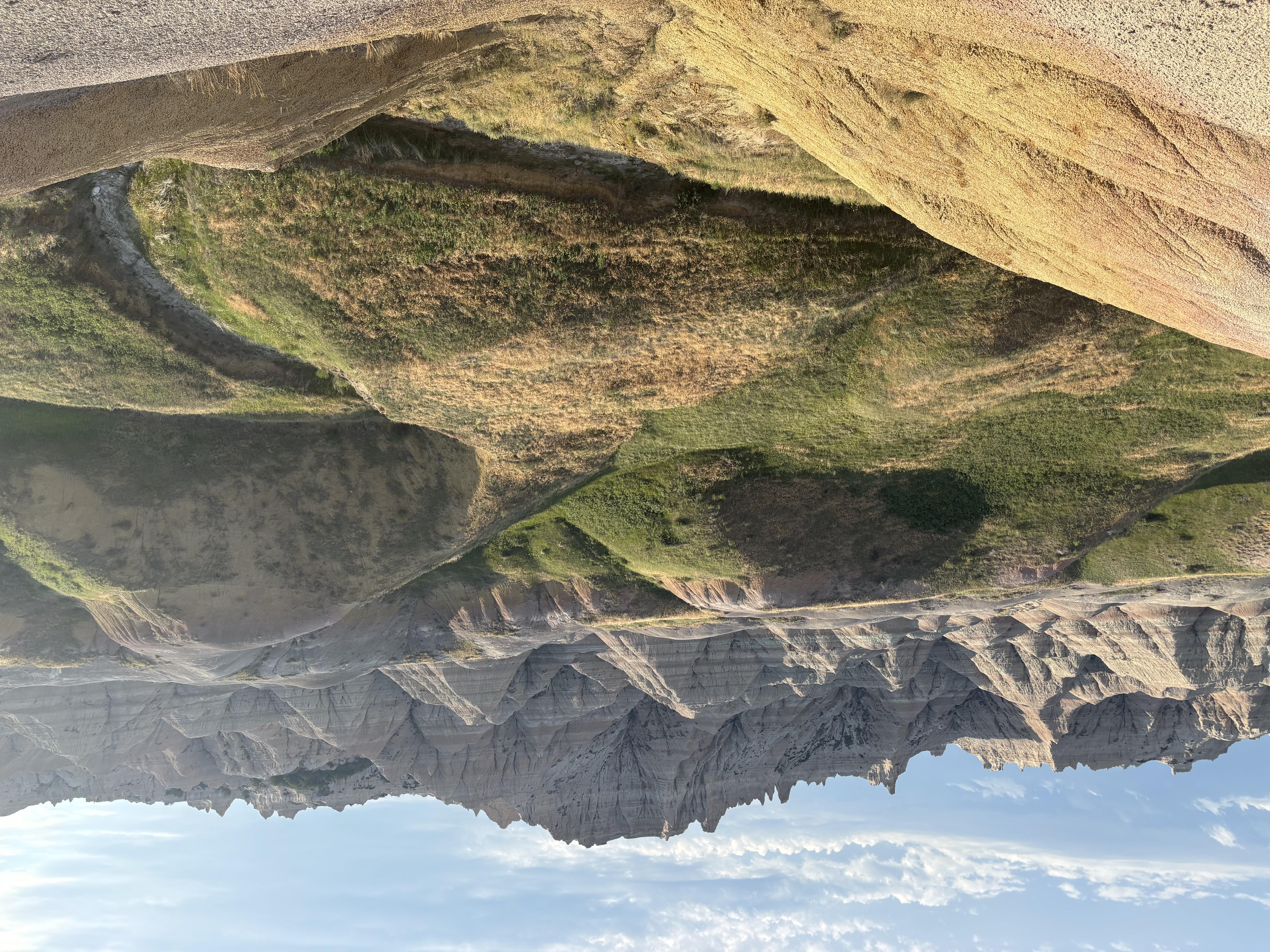
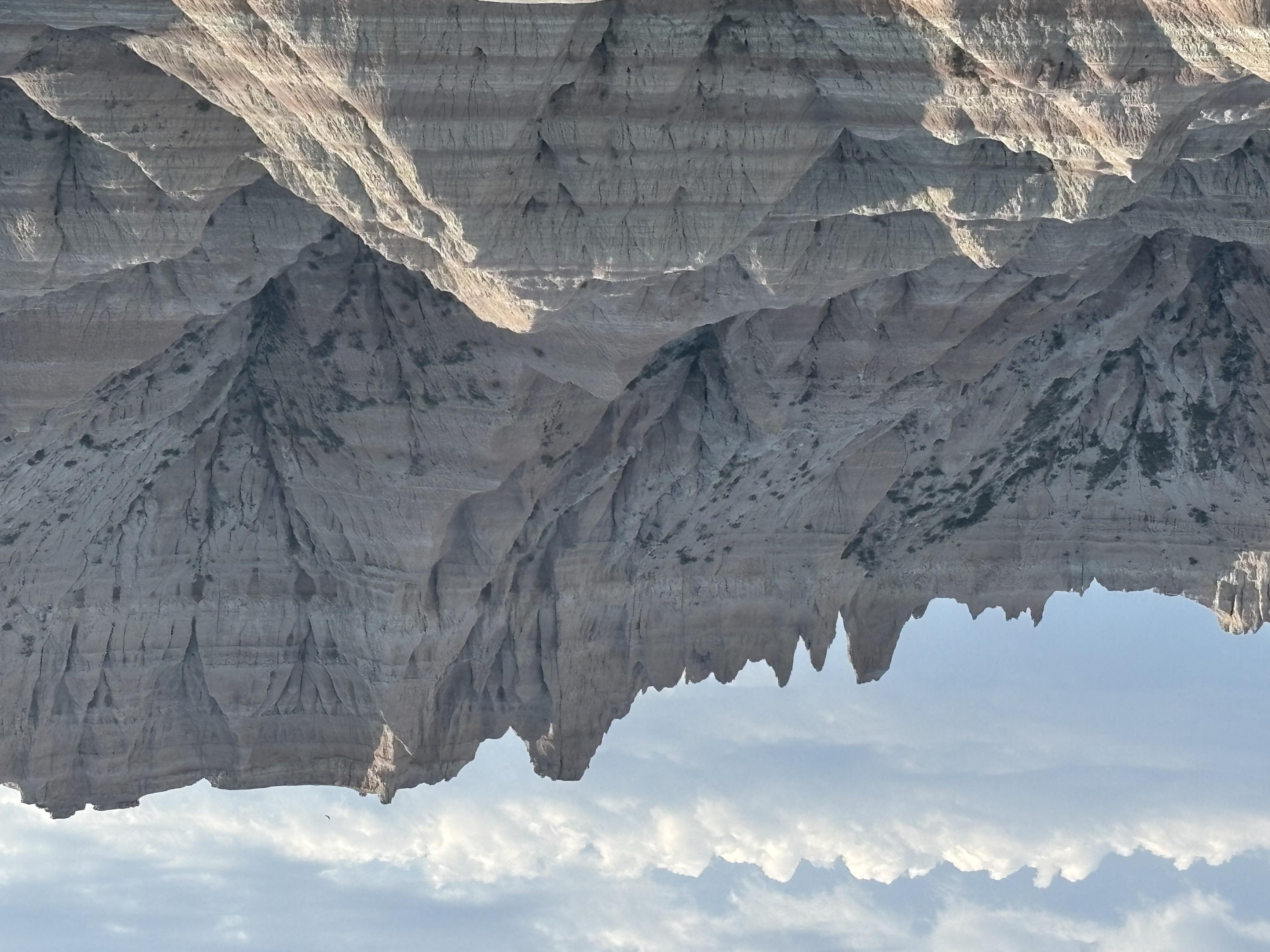
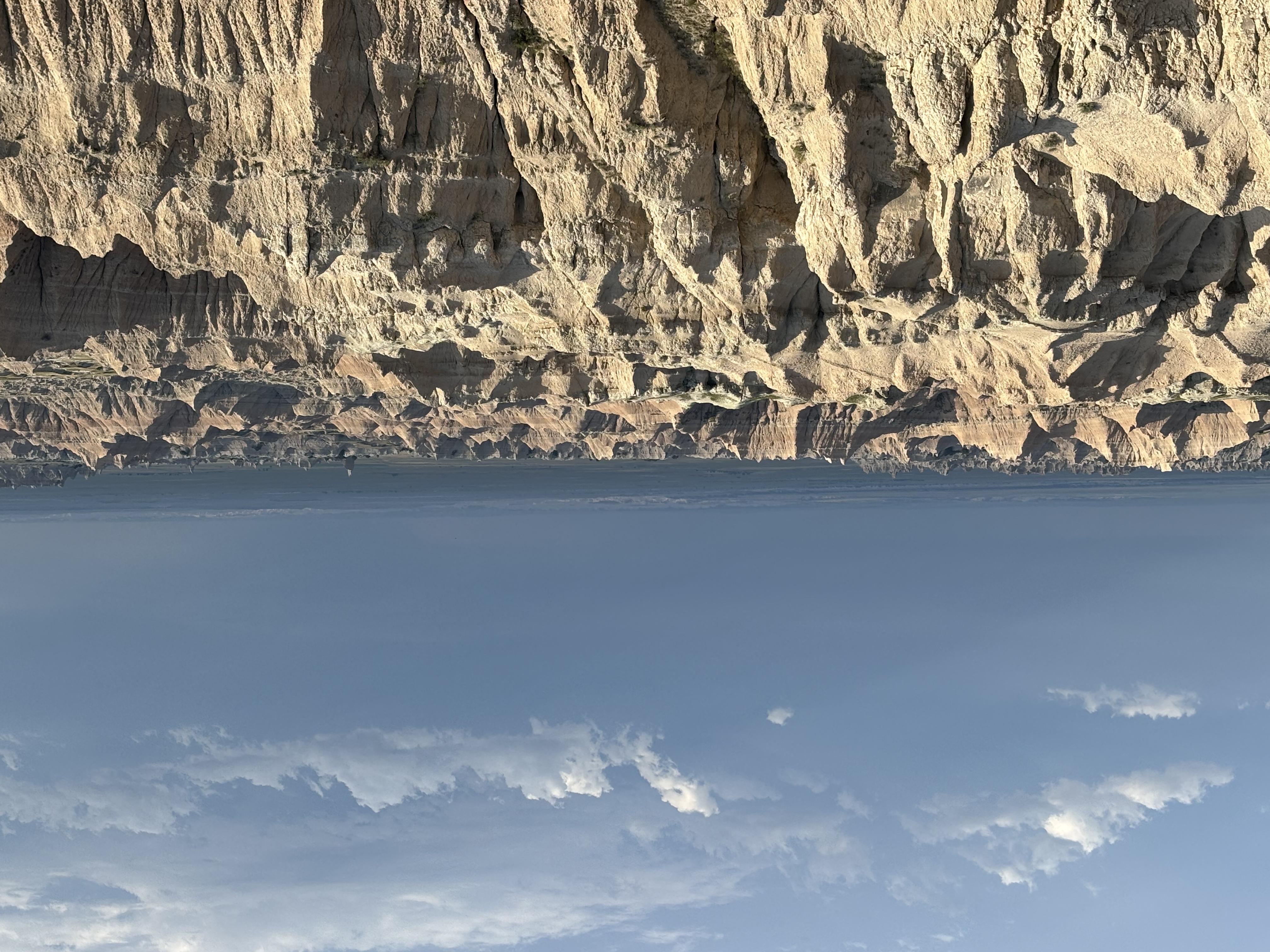
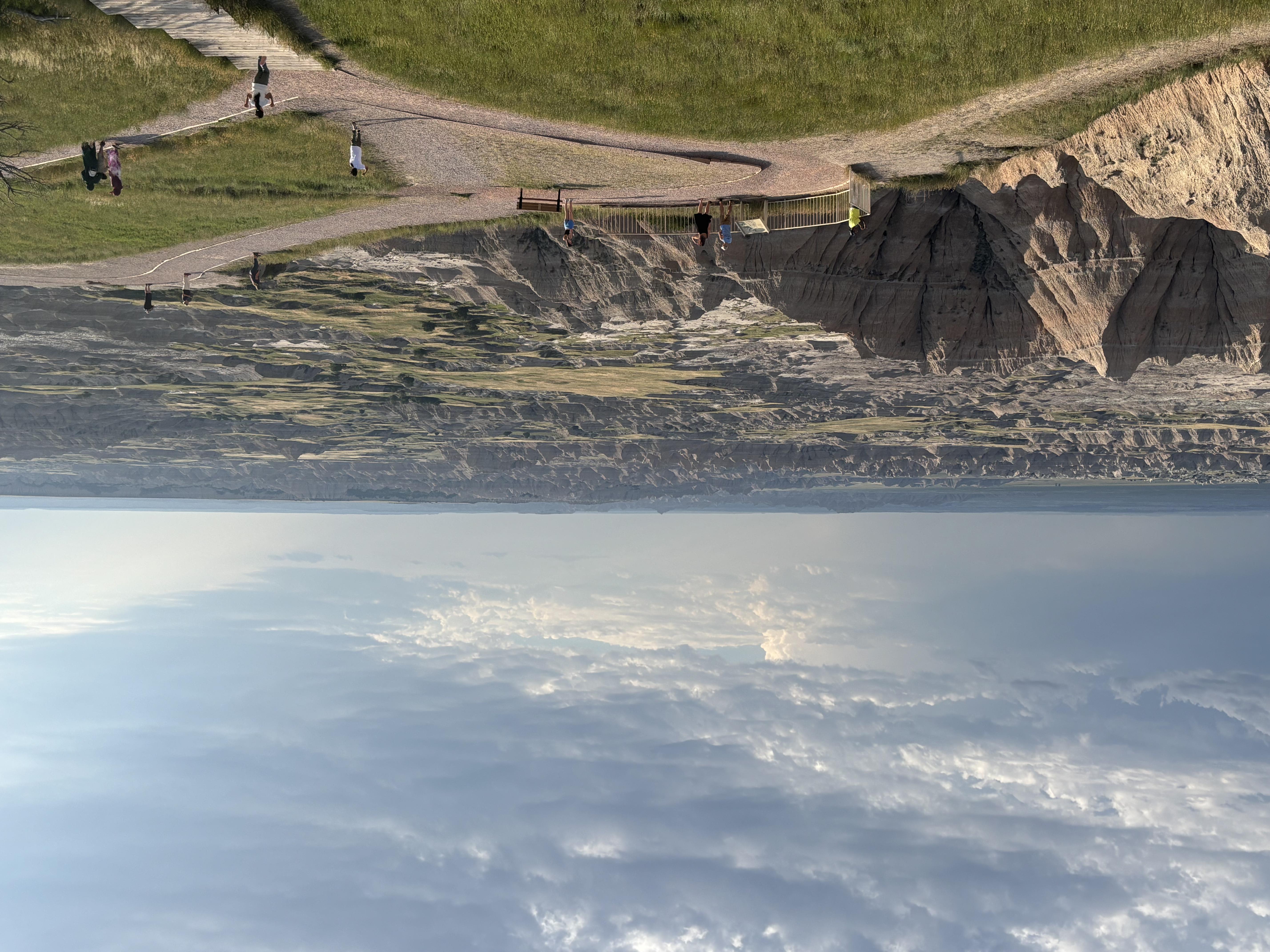
Treking back to the car, the heat wore on the Boys and Bone ended up making poor Mike wait 20 minutes catching up! Back in the Land Cruiser, they headed back to the freeway a different way and finally saw the main entrance!
Back door in !
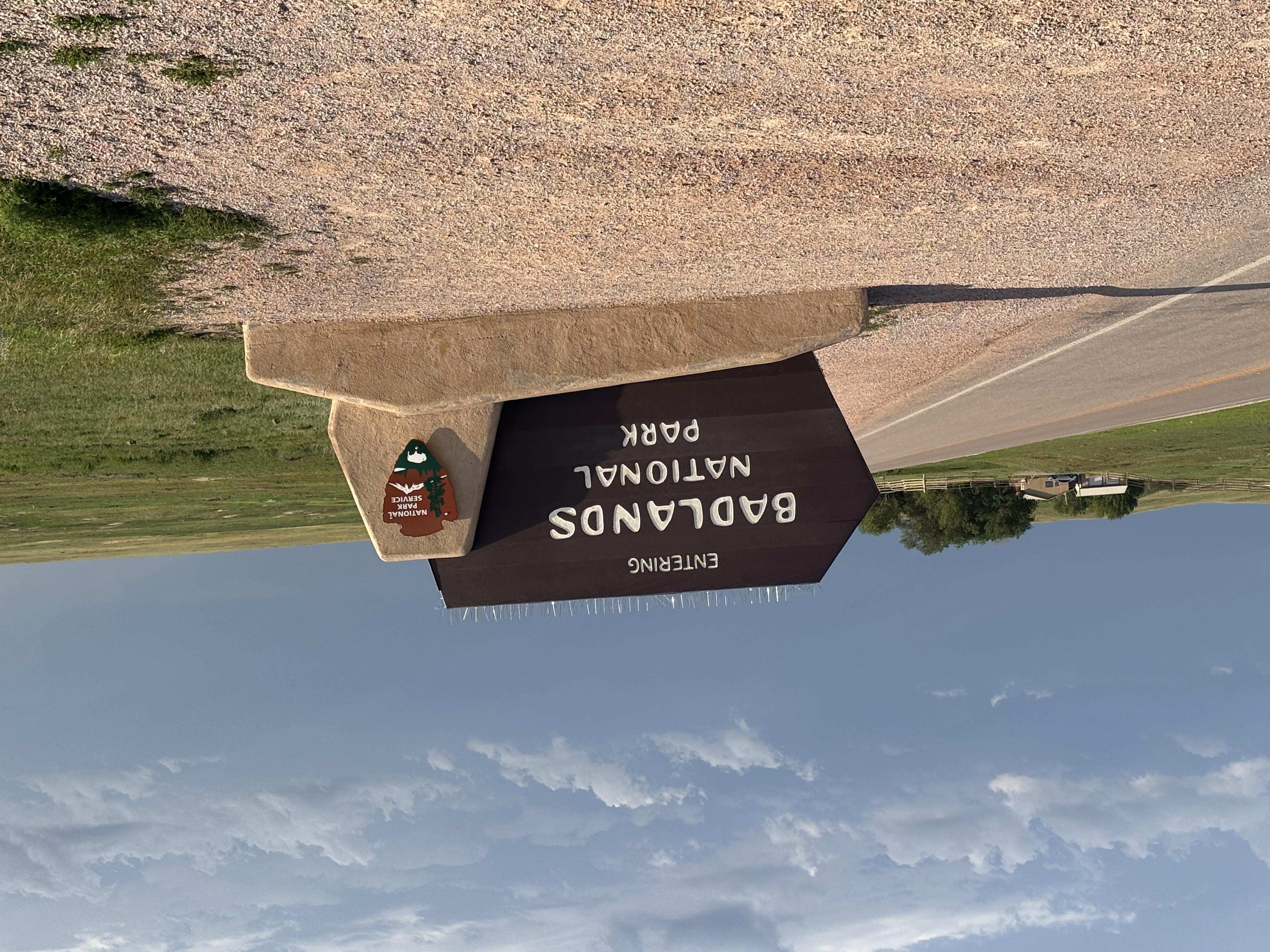
As soon as Mike and Bone got into South Dakota, they started seeing durn near every mile on Wall Drug. What the heck is Wall Drugs!
What in the World is Wall Drug!
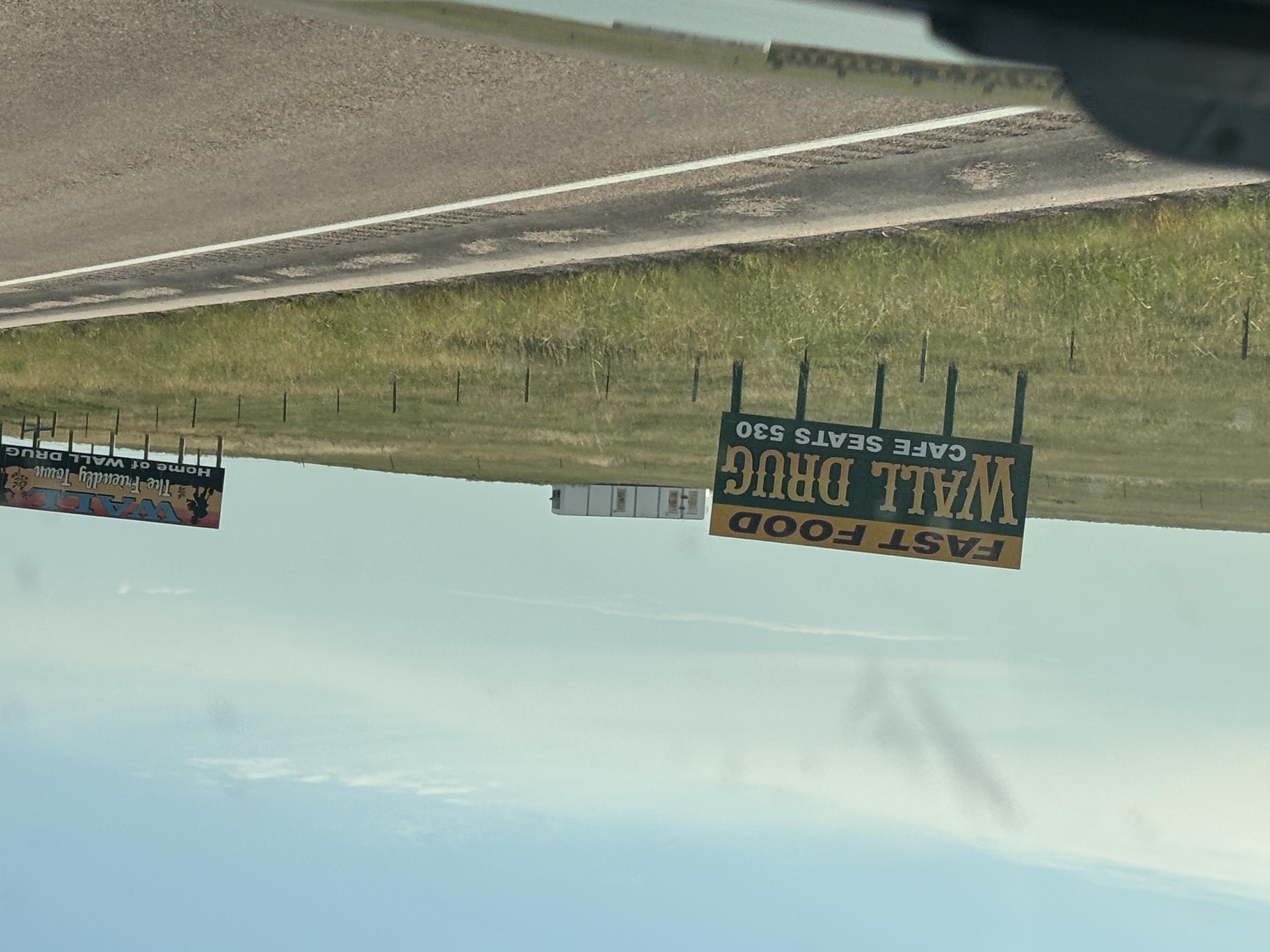
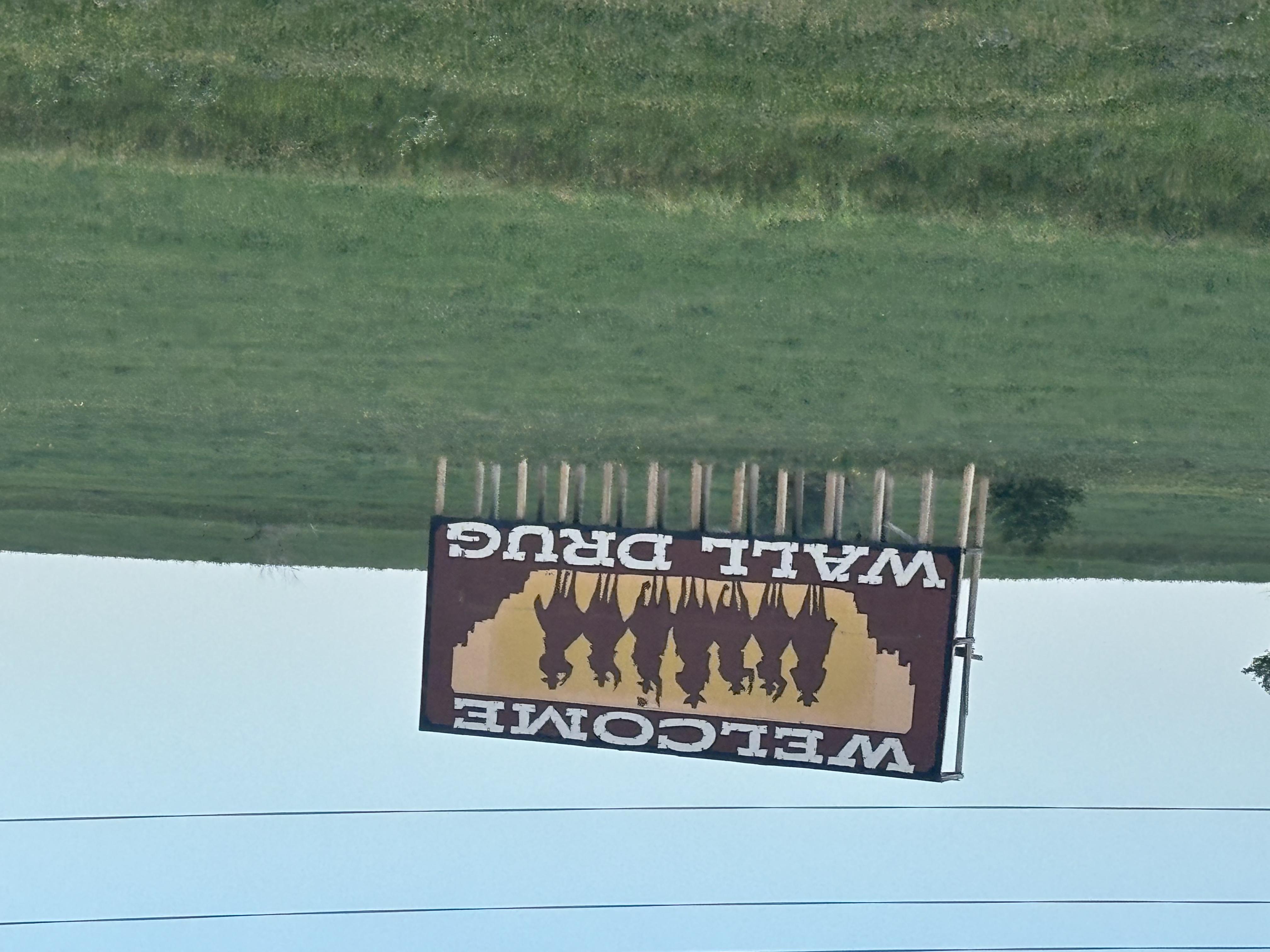
As soon as Mike and Bone got into South Dakota, they started seeing durn near every mile on Wall Drug. What the heck is Wall Drugs!
What in the World is Wall Drug!
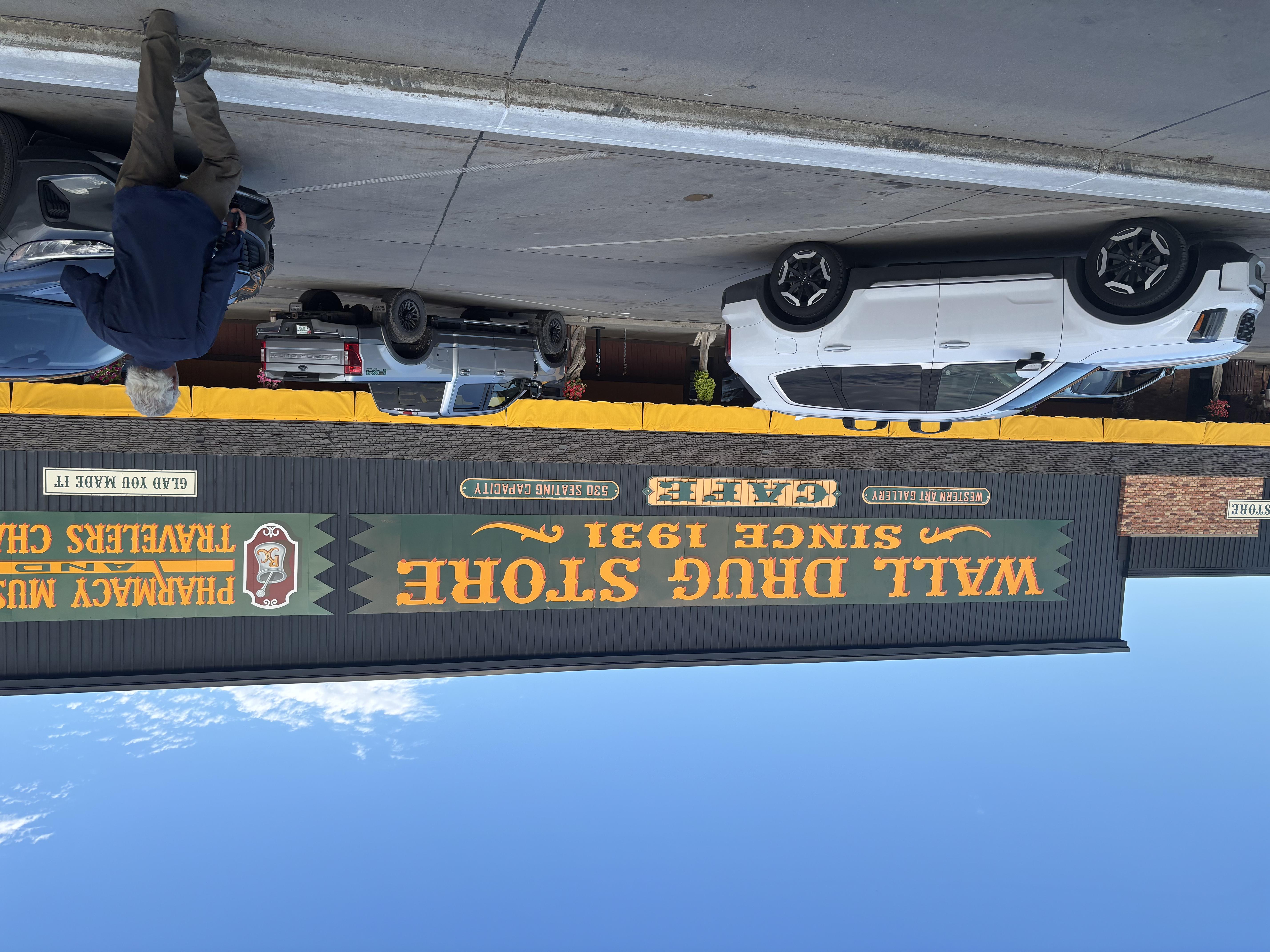
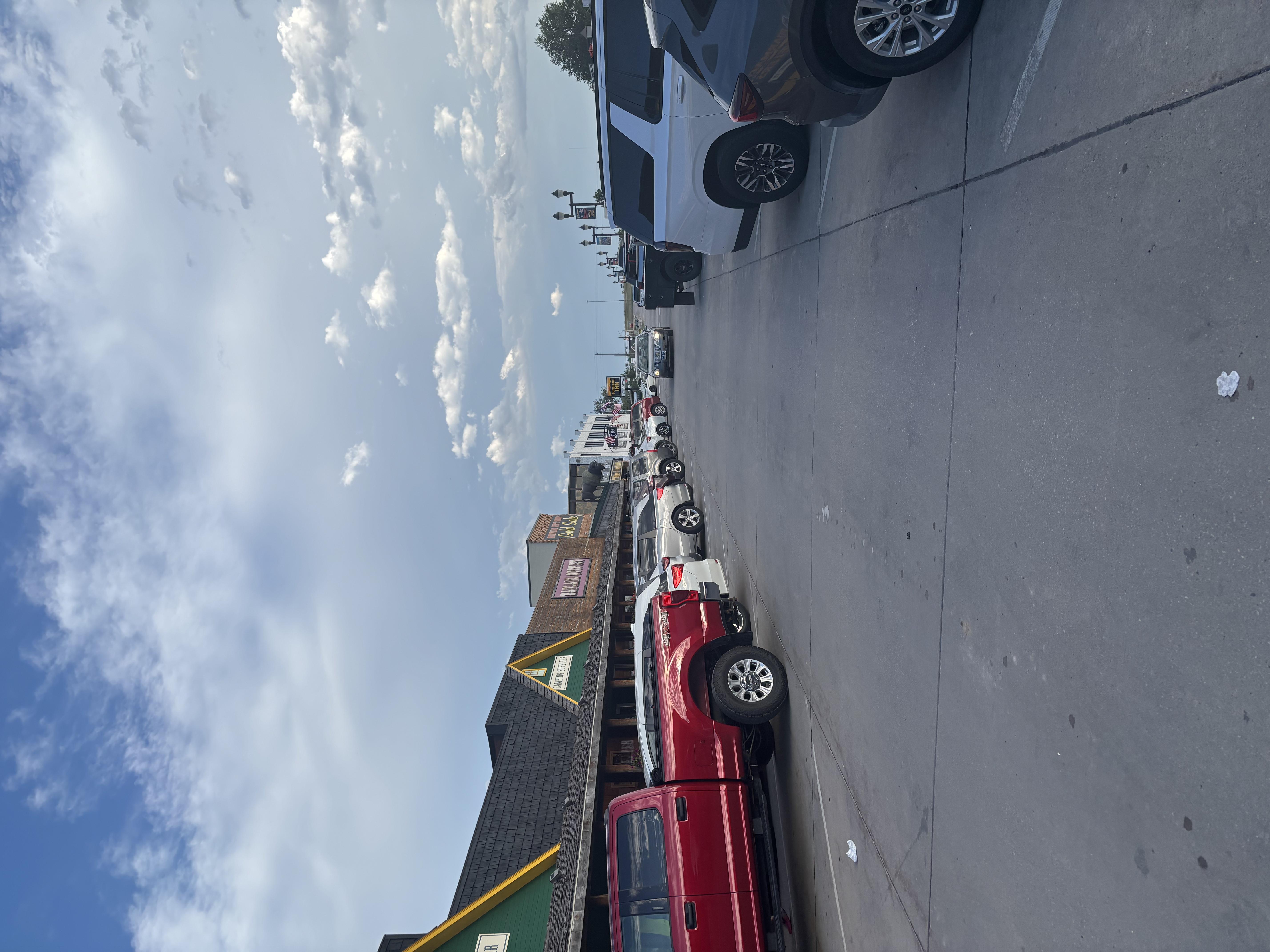
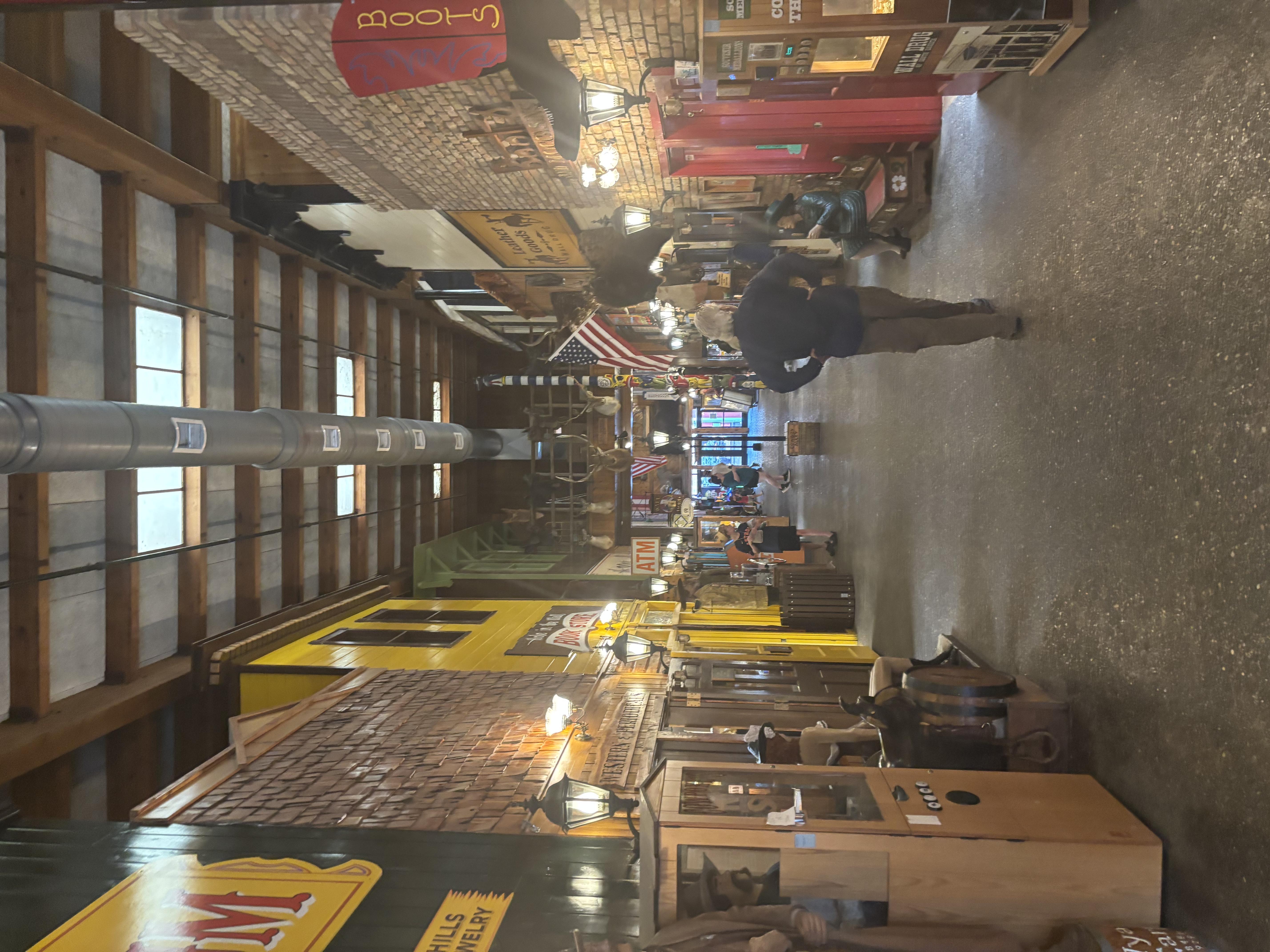
Wall Drug is a famous, kitchy, massive roadside attraction and shopping complex in Wall, South Dakota, founded in 1931. Located near Badlands National Park, it is known for offering free ice water, 5-cent coffee, homemade donuts, and western-themed shops.
Famous for advertising "free ice water" and 5-cent coffee, a tradition started in 1936 to attract travelers. Its Western Art Gallery Restaurant serves buffalo burgers, hot beef sandwiches, and donuts.
Mike and Bone checked out the dumpy restaurant which include 12 hour old donuts be swarmed with flies and decided to dine elsewhere!
Walking out they did check out the 6-foot jackalope, and a 80-foot dinosaur!
A better dining alternative!
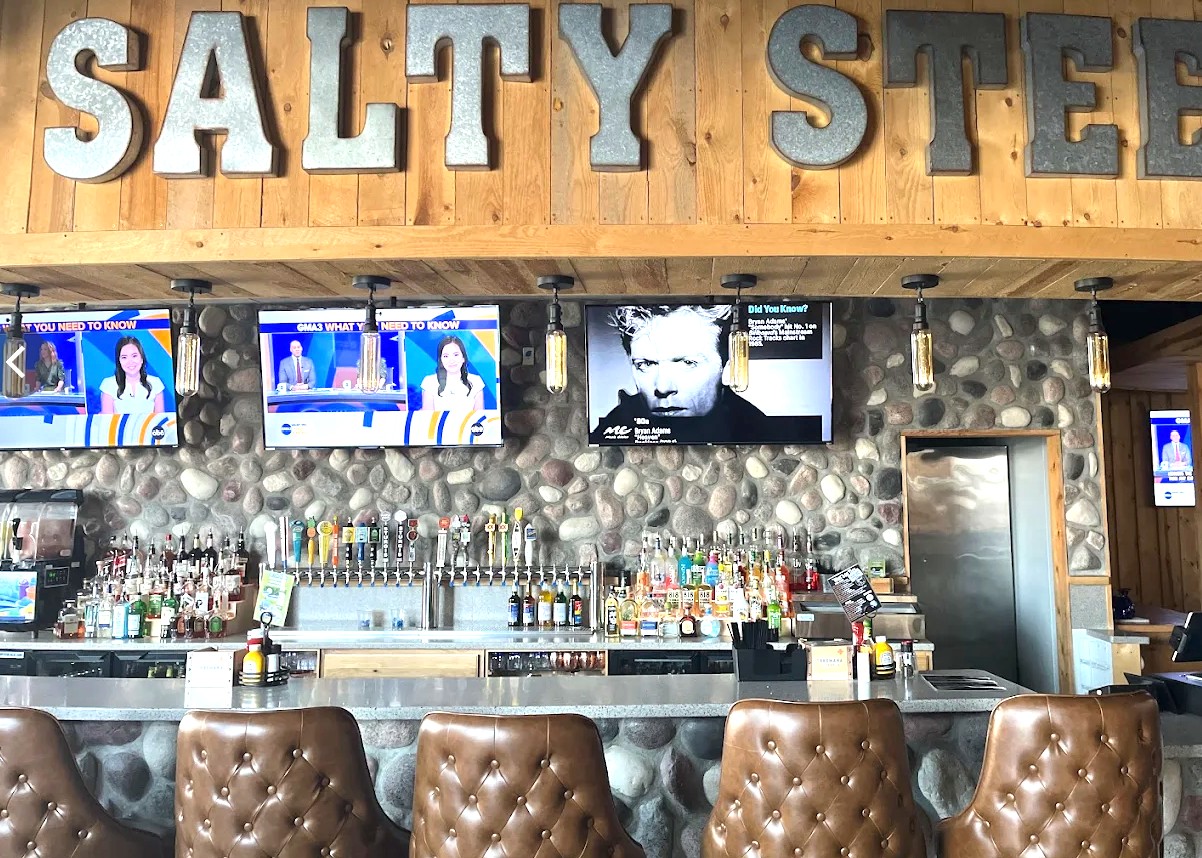
The Boys marched out of Wall Drug and went down the block to the first restaurant that wasn't skanky! Grabbing a reasonable meal, the Boys still had an hour drive back, so once they finished their dinner, they boogied out of the Wall!
The Road back to Kadoka!
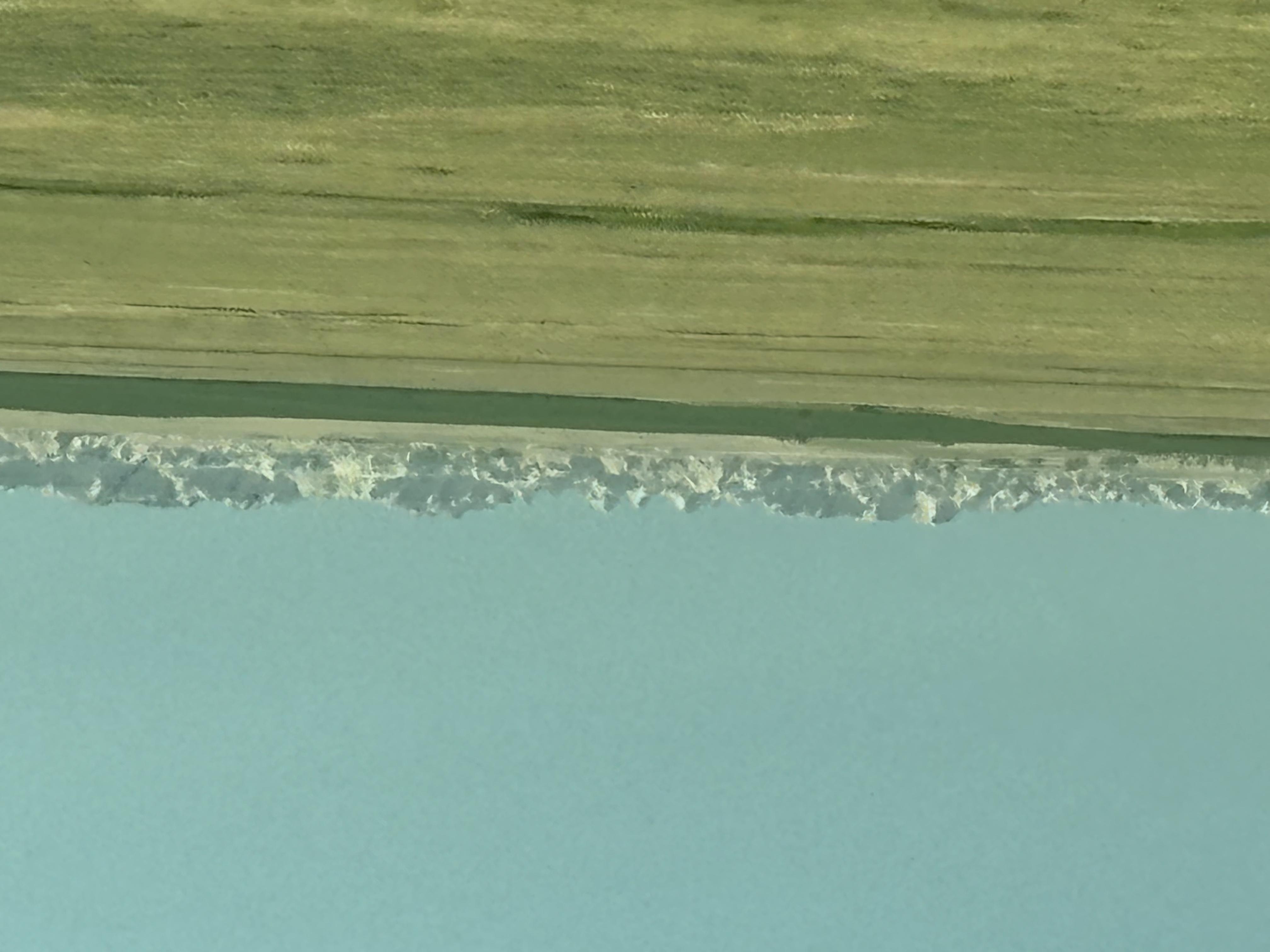
Cruising back to Kadoka, the Badlands were prominent to the south of I-90 eastbound for the next hour and simply glowed in the setting sun.
Back to the Buggy Ranch!
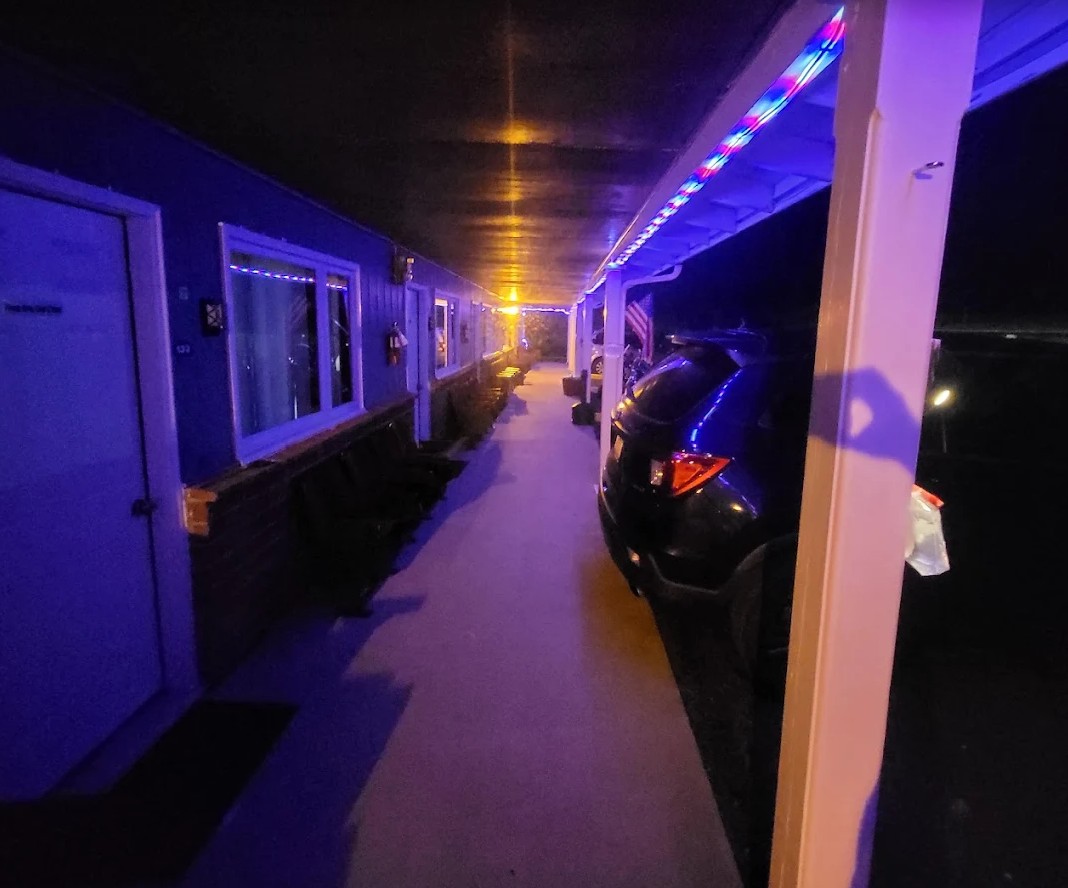
Kadoka was a popular place obviously, not for humans, but skeeters and horse flies! The Boys were bitten alive from the car to their Grandpa Joe's Motel room. They considered themselves lucky to have gotten in the door with only two horse flies in tow!
Hunkering down for the night, it wasn't a bad as Mongolia, but not far from it!