Day 4: Siouxed and Swindled!
Main Page > Cowboys & Indians >
Today Mike and Bone really wanted to check out the Native American story. So much of the American West history revolves around the powerful Sioux Indian Tribe. From Lewis & Clark to the Wounded Knee takeover in the 1970's The Sioux Tribe have warred on the white man nation. So today, the Boys were gonna come face to white man face with some of the Pine Ridge Sioux Tribe!
Searching for Sioux in Pine Ridge
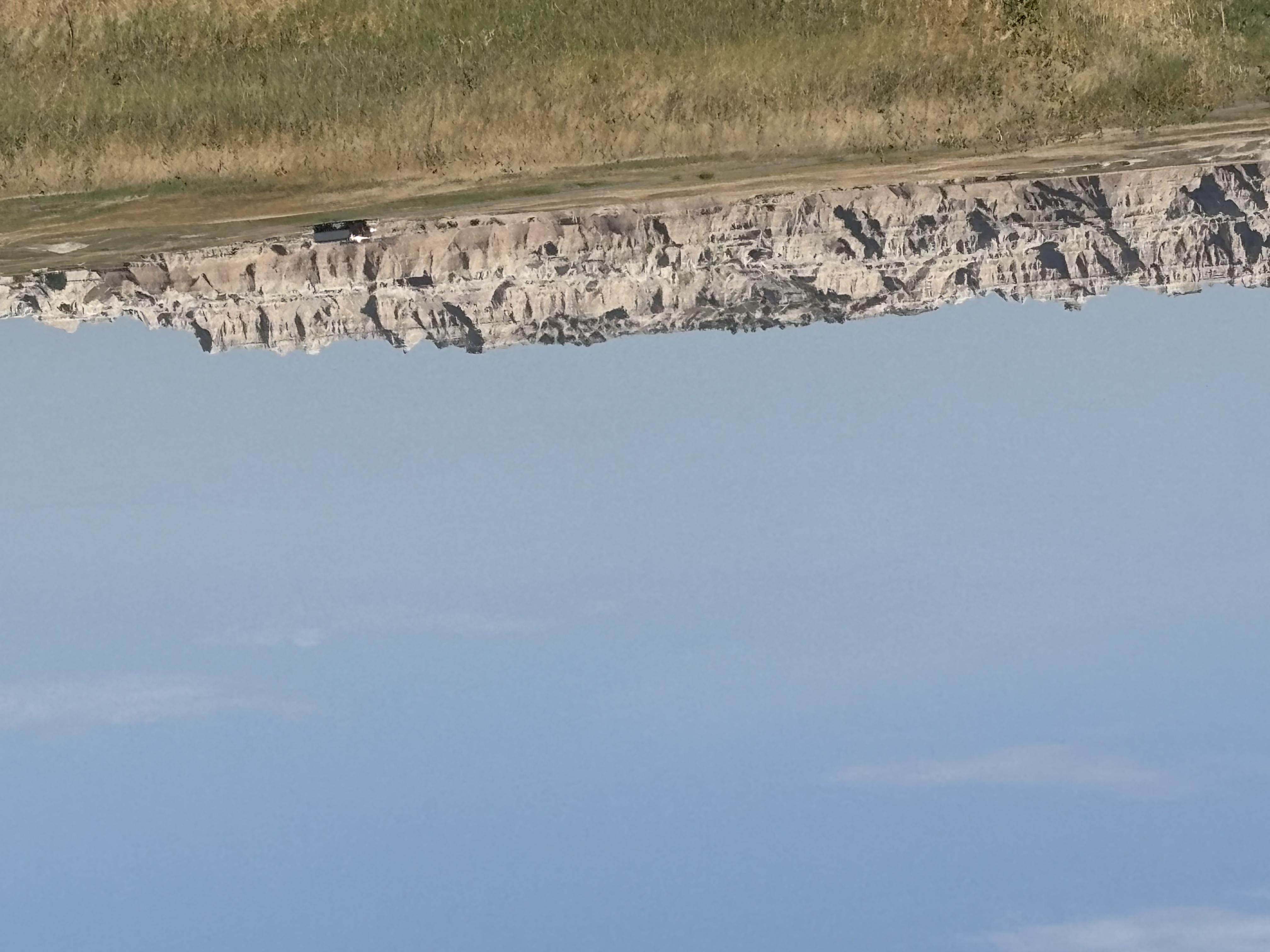
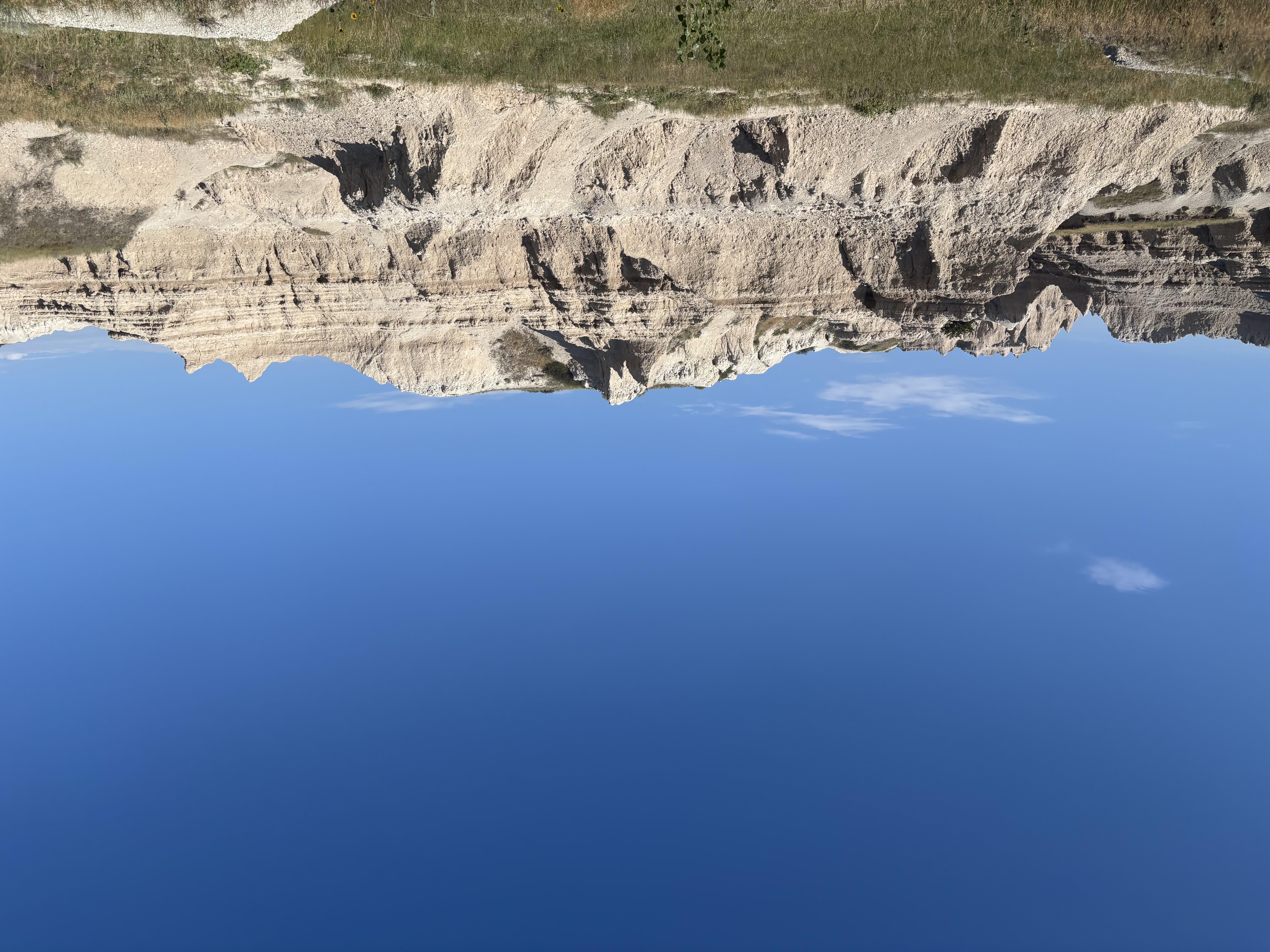
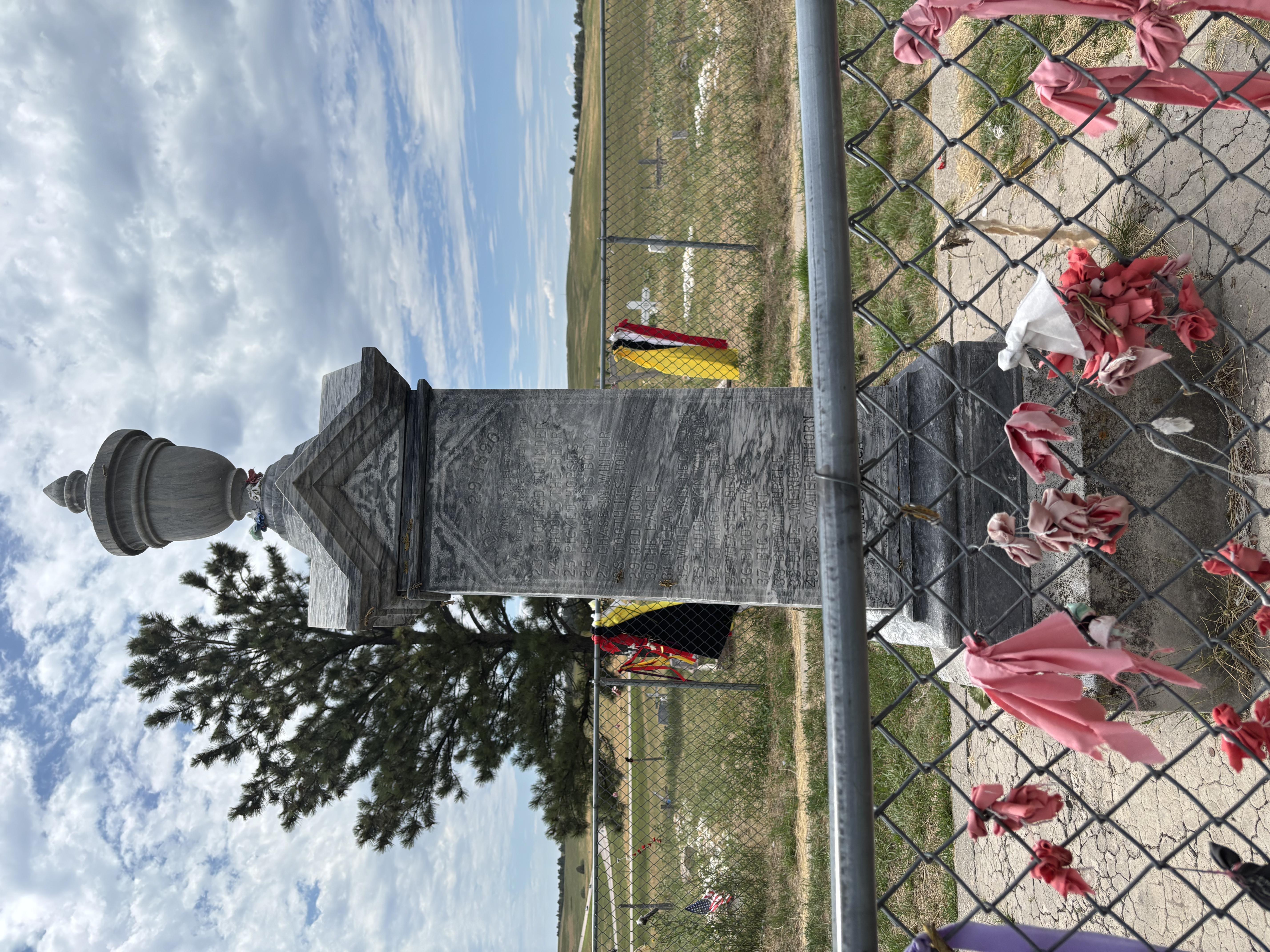
Pine Ridge is the site of several events that mark milestones in the history between the Sioux of the area and the U.S. government. Stronghold Table, a mesa in what is today the Oglala-administered portion of Badlands National Park, was the location of the last of the Ghost Dances. The Government stopped this movement, expecting a revolt that lead to the Wounded Knee Massacre on December 29, 1890.
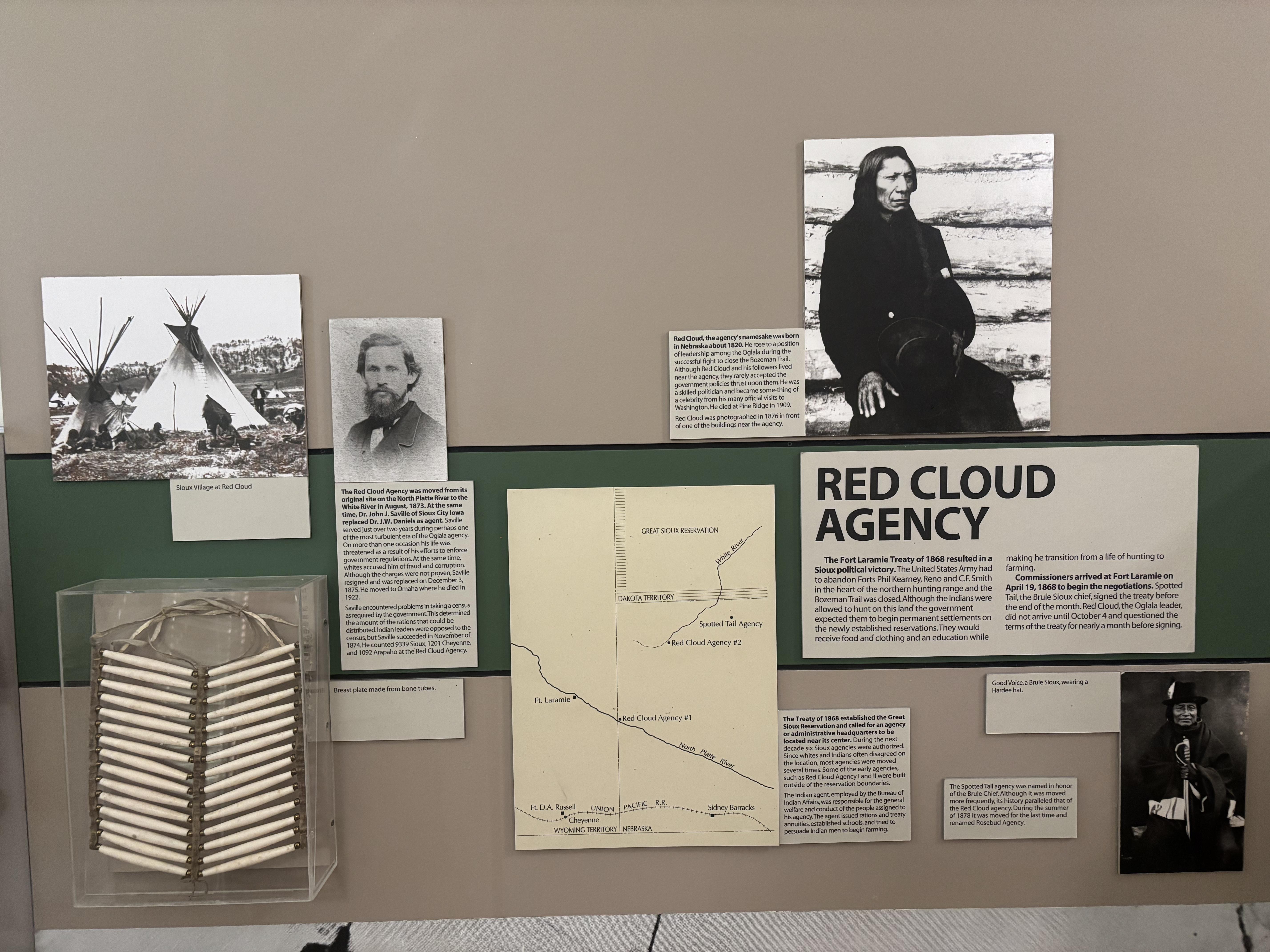
History of Pine Ridge goes back to the Treaty of Fort Laramie in 1868, where the U.S. government built Indian agencies for the various Lakota and other Plains tribes. These were forerunners to the modern Indian reservations. The Red Cloud Agency was established for the Oglala Lakota in 1871 on the North Platte River in Wyoming Territory. The location was one mile west of the present town of Henry, Nebraska. The location of the Red Cloud Agency was moved to two other locations before being settled at the present Pine Ridge location.
Sitting Bull - Takanka Tourz
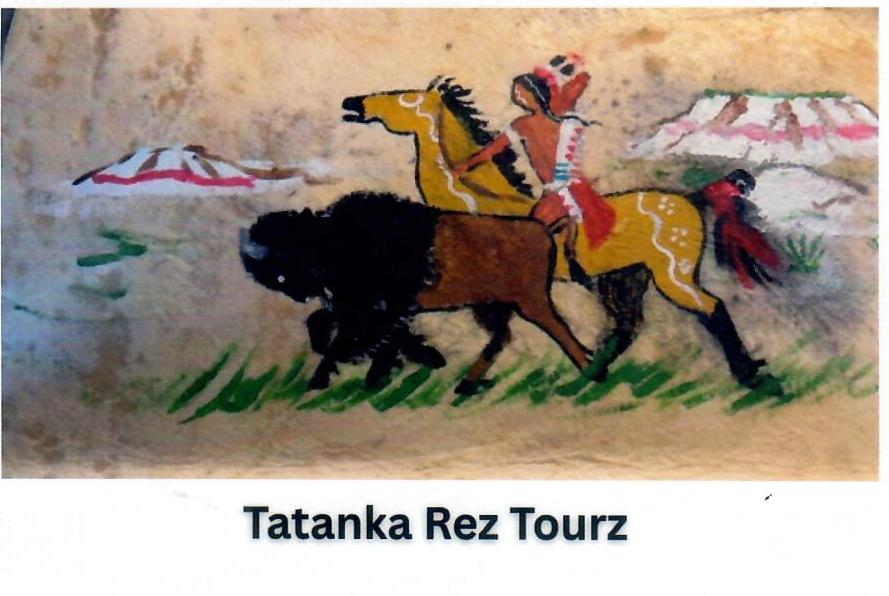
To get an Native America perspective Bone had organized a 3 hour tour with Tatanka Rez Tours, that was supposed to “Provide in depth, first person, experience of the Pine Ridge Reservation that only those who live here can offer. The Pine Ridge is the current homeland of the Oglala Lakota Oyate Tribe. During your experience with us you will learn of the demographics, history, values, stories, and culture of the Lakota People.” Provided by a Lakota Father and Daughter Team. Tianna Yellowhair met Mike and Bone at a Sioux Indian Restaurant with a picnic table where she spent about a half and hour providing a (very brief) history of the Sioux, prompted by questions from Mike and Bone.
The tribe's name, which was widely attributed to Michigan’s own Chippewa Indians, means "little snake." The Sioux are a confederacy of several tribes that speak three different dialects, the Lakota, Dakota, and Nakota, but all believe in one God named Wakan Taka, somehow related to the Buffalo.
The Lakota, also called the Teton Sioux, are comprised of seven tribal bands and are the largest and most western of the three groups, occupying lands in both North and South Dakota after being pushed out of Minnesota by the Chippewa. Of the Sioux Tribes, it was the Lakota that seemed to have the most problem with assimilation into white culture.
Tianna Yellowhair next gave the Boys a sad tour of the Pine Ridge community.
Touring the Oglala College
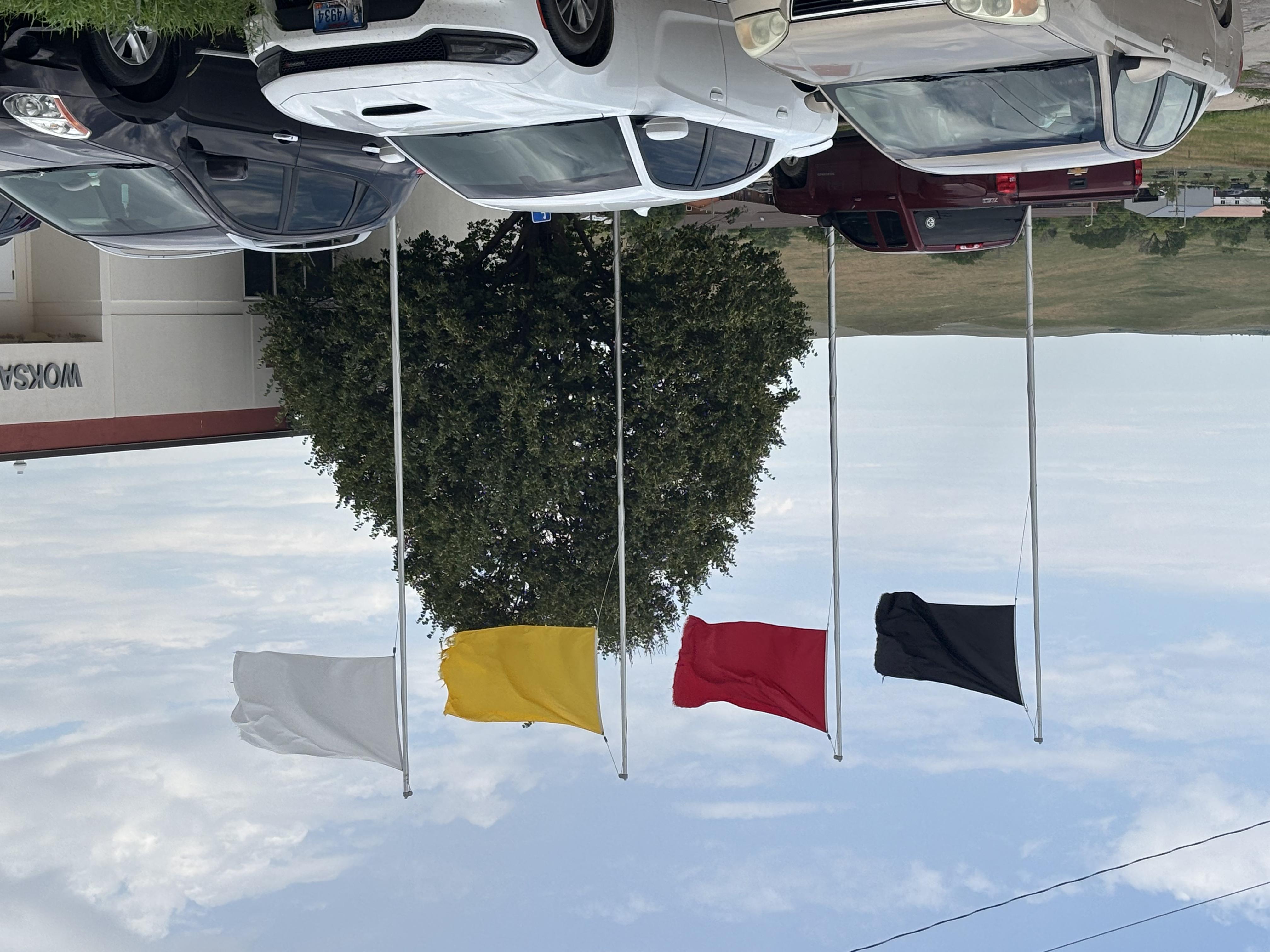
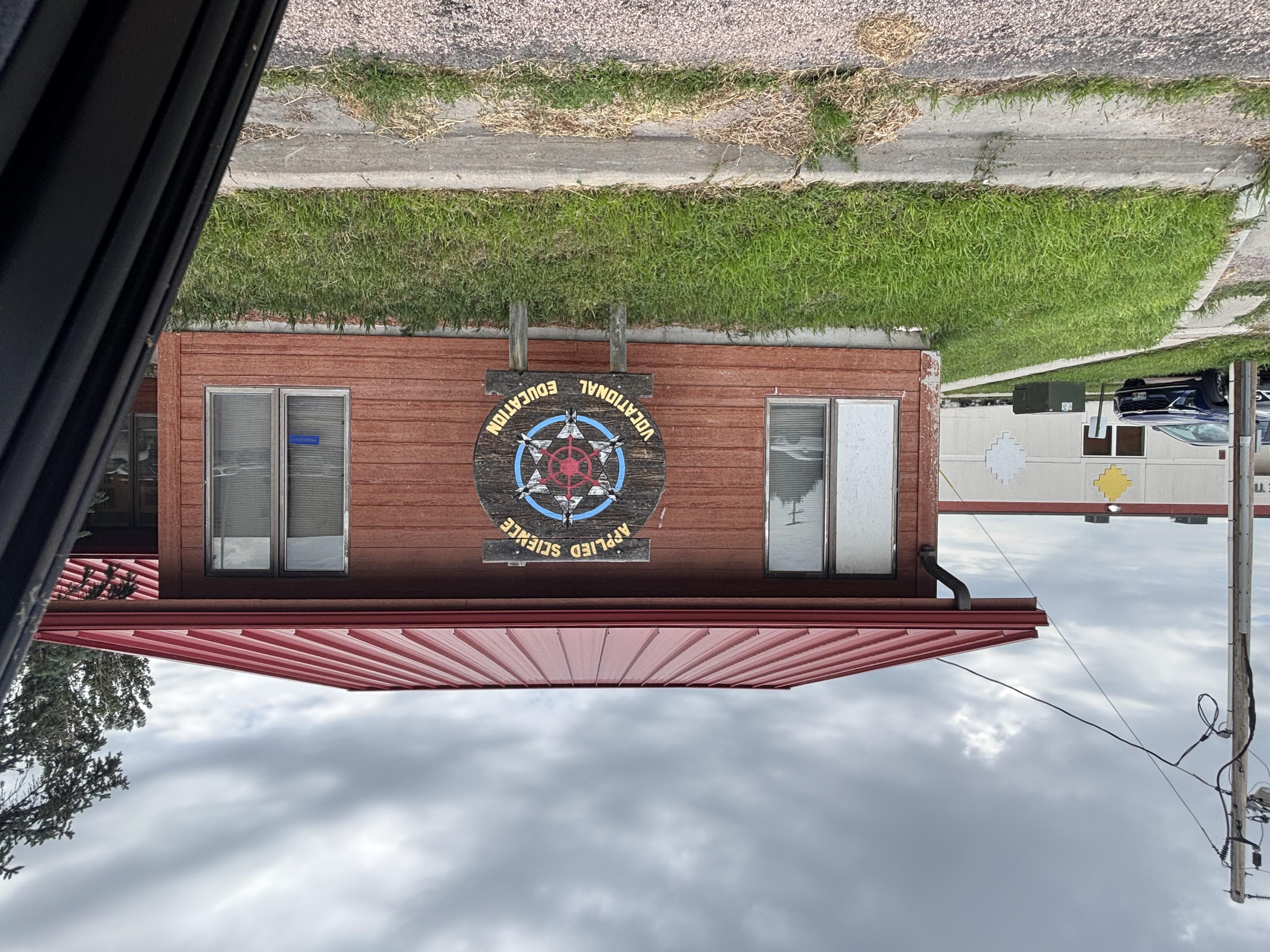
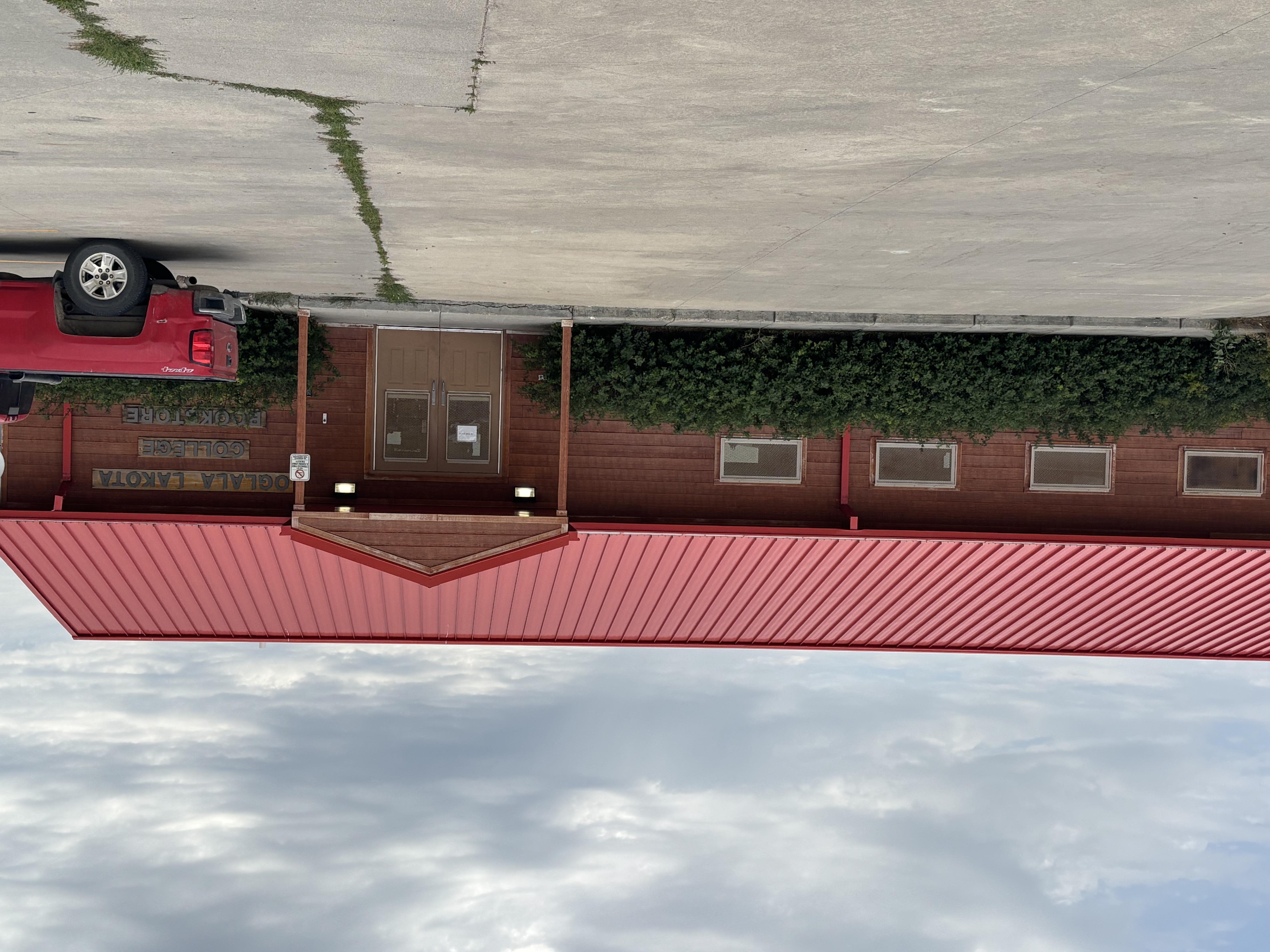
Mike and Bone jumped into the Land Cruiser with Tianna Yellowhair to "tour" the Pine Ridge Oglala Lakota College. She explained that this college (unlike white schools) focus on Lakota K-12 Lakota education, Lakota studies, and natural science. Tianna Yellowhair has a degree in Teaching from this College and talked about how she also teaches there. Next the Boys got a "tour" of the Pine Ridge neighborhood.
A Local Sioux Mansion
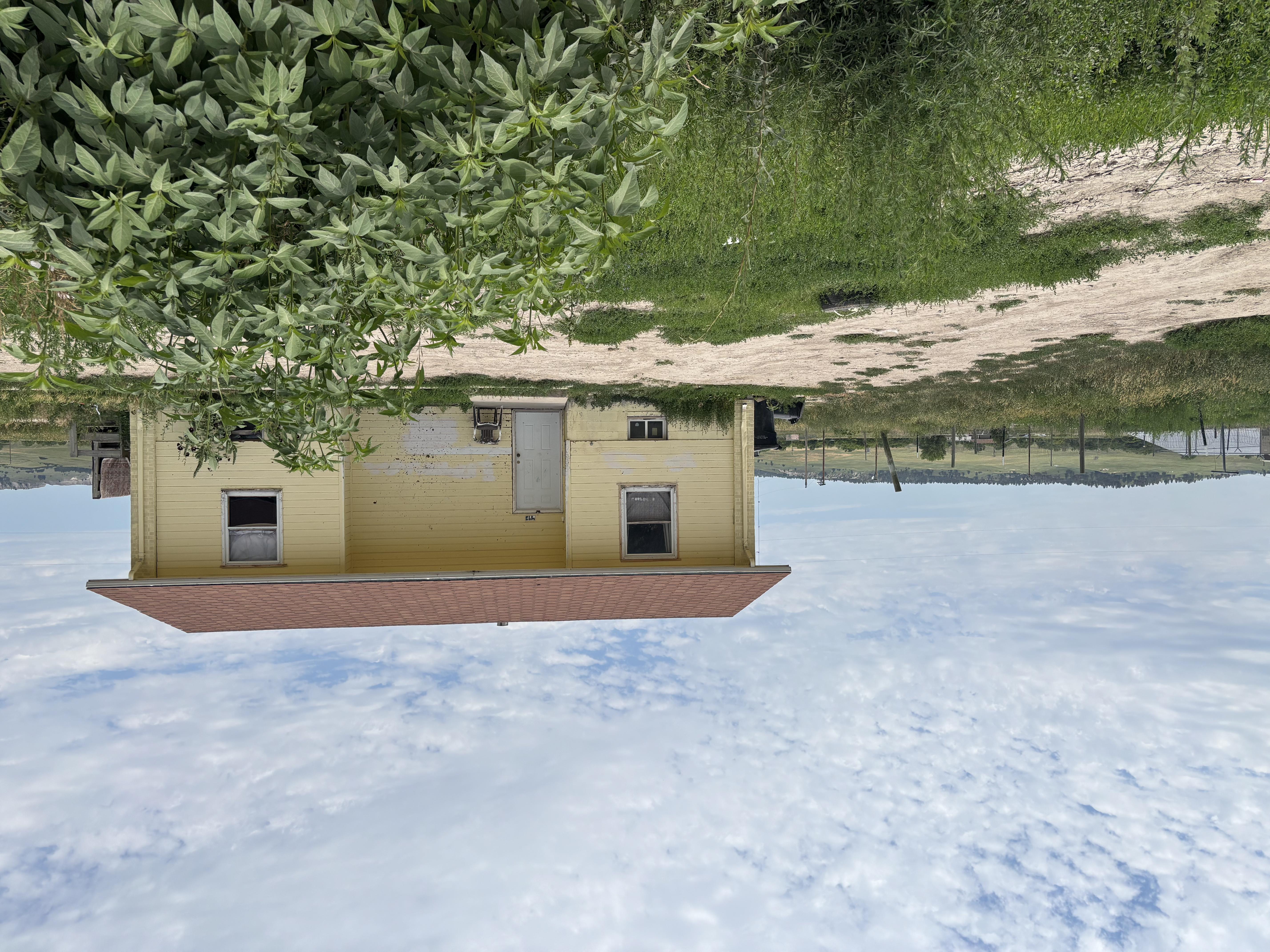
A "tour" of the Neighborhood explained a lot to the Boys. As the drove through homes with busted doors and broken windows Tianna Yellowhair explained that the Sioux men are (2025) still sad that the "White Man" will not let them hunt the buffalo. Plus, based on the Treaty with the US, the Tribal Council is given enough money to house, feed, and clothe every Sioux Family. But since the men can't hunt they sit around the house to drink booze and do drugs. When the Boys asked why does the Tribal Council repair the houses, Tianna told them that they do, then the "men just break" them again?!?
The local landscape of Pine Ridge
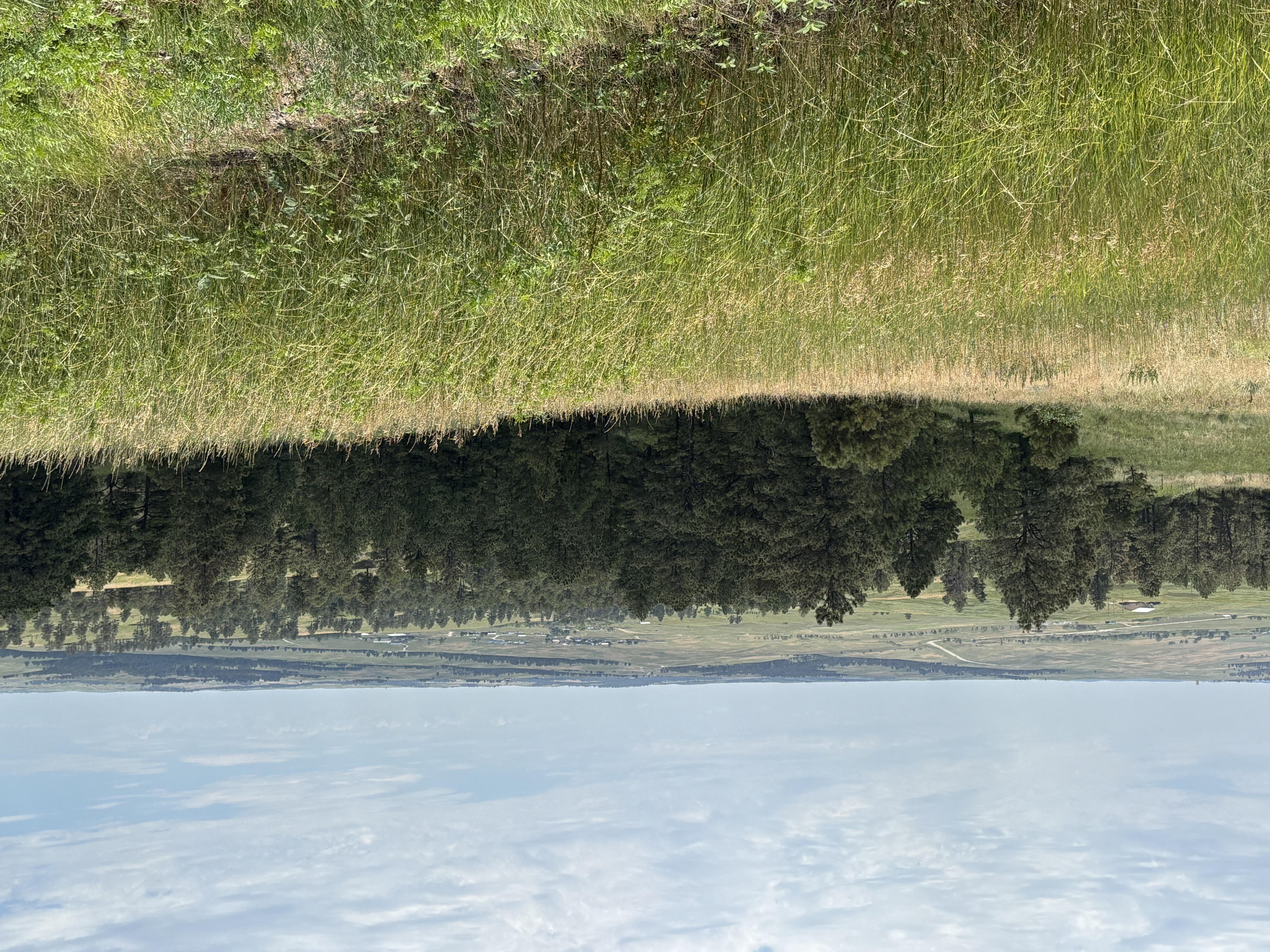
After the Neighborhood tour, Tianna finally took the Boys to the Wounded Knee Site. On the way, Bone noticed all the prairie and asked Tianna Yellowhair, why didn't the Tribe raise cattle for food and money, she replied that the Sioux men do not like beef! Apparently free food and liquor is better than working!
Mike, Tianna & Gus Yellowhair, Overlooking the Wounded Knee Site
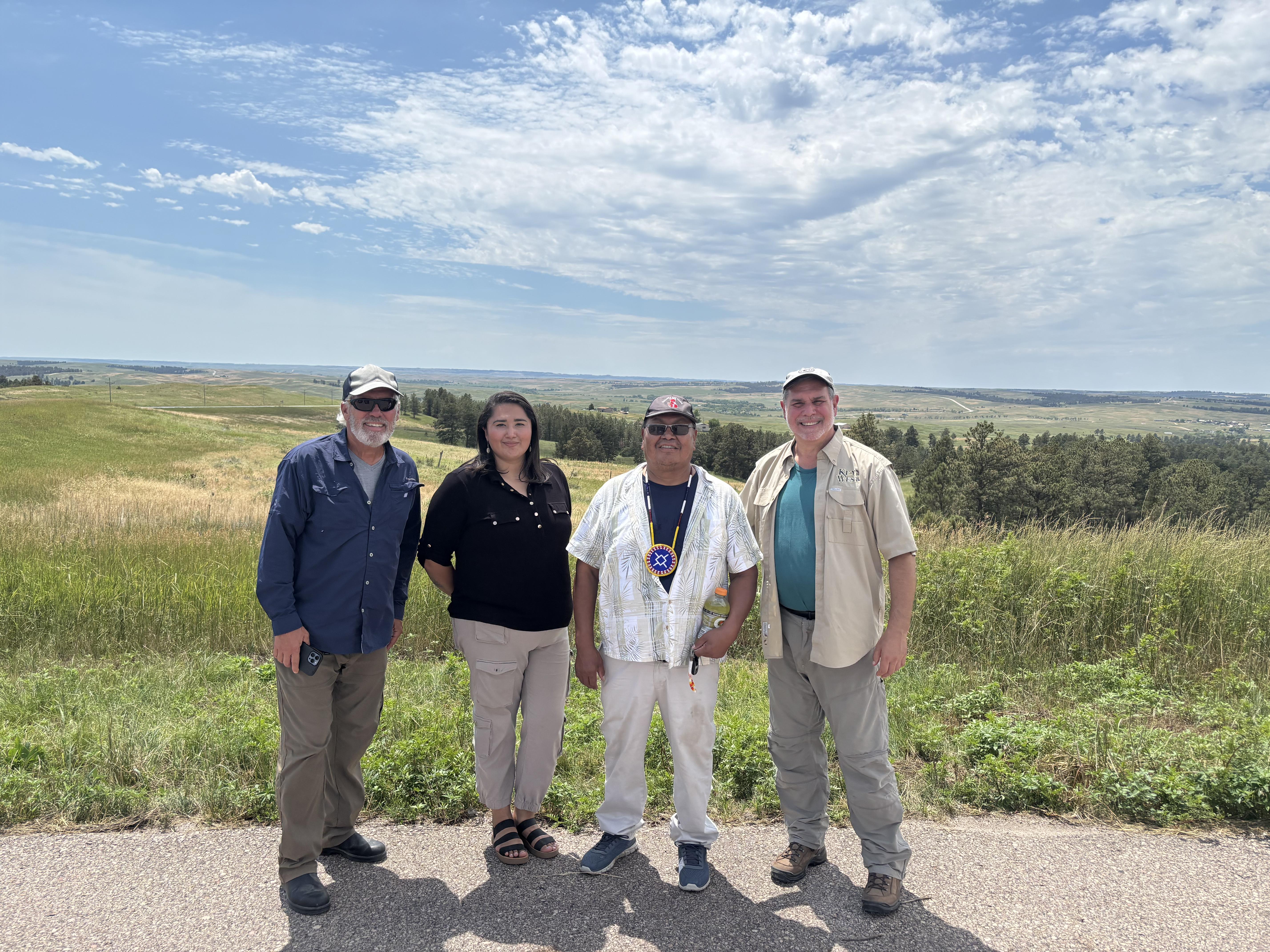
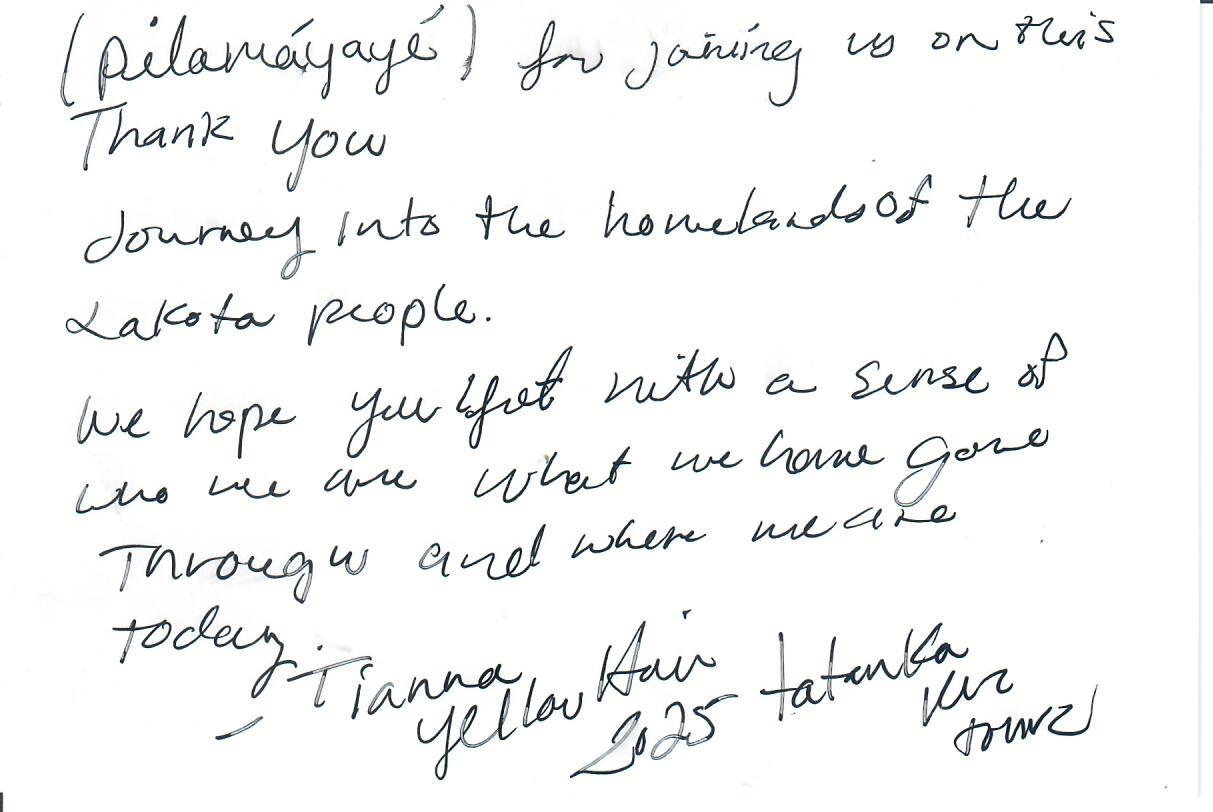
The strange little tour ended at an overlook of the Wounded Knee Massacre, where the Boys met Tianna's Father Gus. Here they really didn't say much about the Massacre, but both shed a few tears, said a Lakota prayer, gave the Boys the note above and took off! Considering that Bone gave them $450 dollars, it could be rightly said that Mike and Bone had been scalped by the Sioux and shouda sued!!!
Mike and Bone at the Wounded Knee Massacre Site
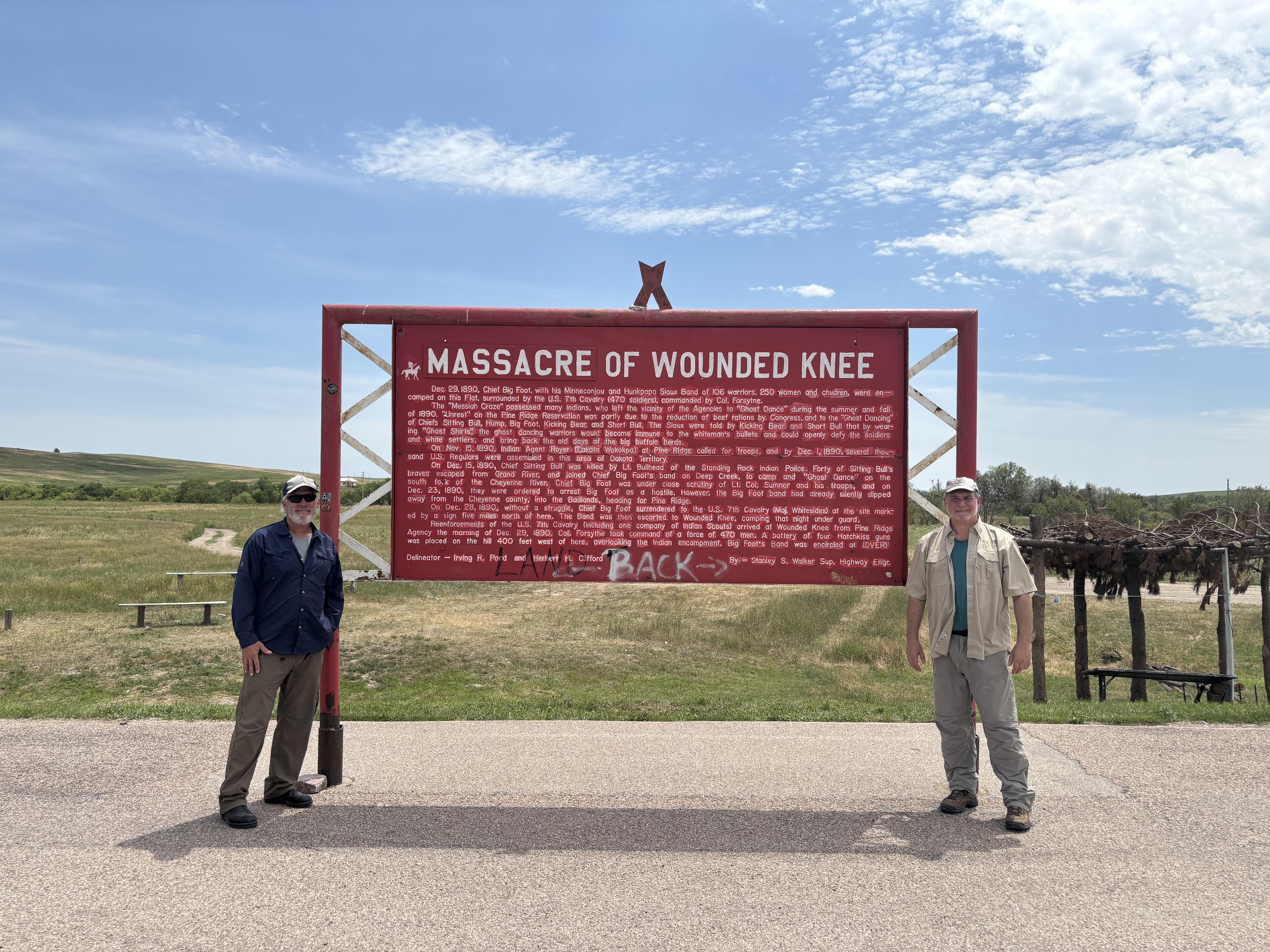
So what really happened here?!? The Wounded Knee Massacre occurred on December 29, 1890, near Wounded Knee Creek. On the day before, a detachment of the U.S. 7th Cavalry Regiment commanded by Major Samuel M. Whitside intercepted Spotted Elk's (Big Foot) band of Miniconjou Lakota and 38 Hunkpapa Lakota near Porcupine Butte and escorted them 5 miles westward to Wounded Knee Creek where they made camp. The rest of the 7th Cavalry Regiment, led by Colonel James Forsyth, surrounded the encampment, supported by four Hotchkiss guns. It is important to note that the 7th Cavalry was Custer's Cavalry, and many of the survivors of the Little Big Horn were there that day, looking for pay back.
So according to the 7th Official Report, on the morning of December 29, 1890, the troops went into the camp to disarm the Lakota. One version of events claims that during the process, a deaf tribesman named Black Coyote was reluctant to give up his rifle, saying he had paid a lot for it. A scuffle over Black Coyote's rifle escalated and a shot was fired, which resulted in the 7th Cavalry opening firing indiscriminately from all sides, killing men, women, and children, as well as some of their fellow troopers. Those few Lakota warriors who still had weapons began shooting back at the troopers, who quickly suppressed the Lakota fire. The surviving Lakota fled, but U.S. cavalrymen pursued and killed many who were unarmed.
In the end, U.S. forces killed at least 150 men, women, and children of the Lakota Sioux and wounded 51 (four men, and 47 women and children, some of whom died later); some estimates placed the number of dead at 300. Twenty-five troopers also died, and thirty-nine were wounded (six of the wounded would also die). Many of the Army deaths were believed to have been caused by friendly fire, as the shooting took place at close range in chaotic conditions. Even though it is on Tribal turf, the site has been designated a National Historic Landmark and is administered by the National Park Service.
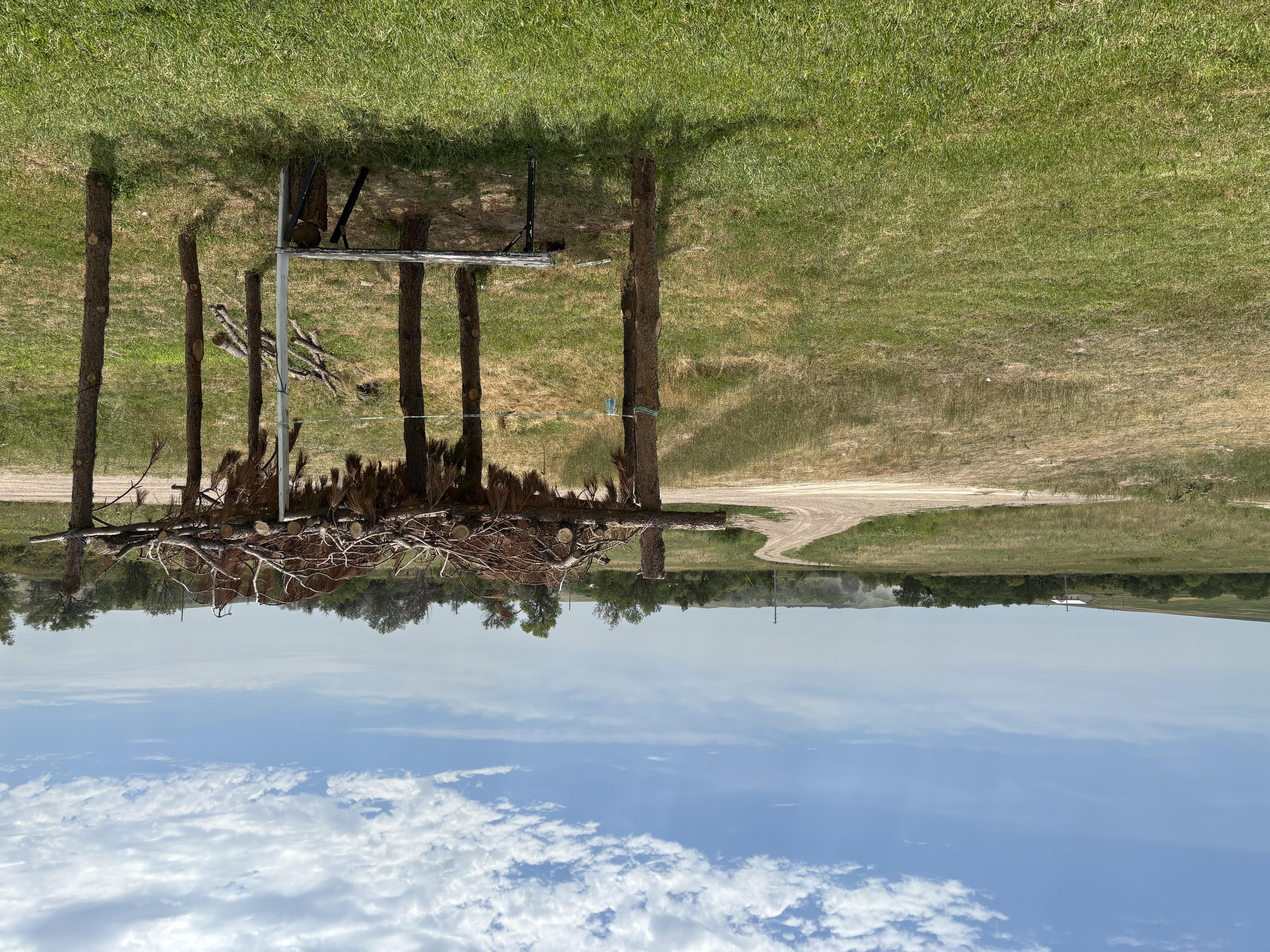
A Lakota Tribute at the Wounded Knee Massacre Site
So according to the 7th Official Report, on the morning of December 29, 1890, the troops went into the camp to disarm the Lakota. One version of events claims that during the process, a deaf tribesman named Black Coyote was reluctant to give up his rifle, saying he had paid a lot for it. A scuffle over Black Coyote's rifle escalated and a shot was fired, which resulted in the 7th Cavalry opening firing indiscriminately from all sides, killing men, women, and children, as well as some of their fellow troopers. Those few Lakota warriors who still had weapons began shooting back at the troopers, who quickly suppressed the Lakota fire. The surviving Lakota fled, but U.S. cavalrymen pursued and killed many who were unarmed.
In the end, U.S. forces killed at least 150 men, women, and children of the Lakota Sioux and wounded 51 (four men, and 47 women and children, some of whom died later); some estimates placed the number of dead at 300. Twenty-five troopers also died, and thirty-nine were wounded (six of the wounded would also die). Many of the Army deaths were believed to have been caused by friendly fire, as the shooting took place at close range in chaotic conditions. Even though it is on Tribal turf, the site has been designated a National Historic Landmark and is administered by the National Park Service. Walking around Mike and Bone were reflecting on the carnage in this spot, then (despite signs not too) the Boys walked up a hill to pay their respects to the dead.
The Lakota Wounded Knee Cemetery
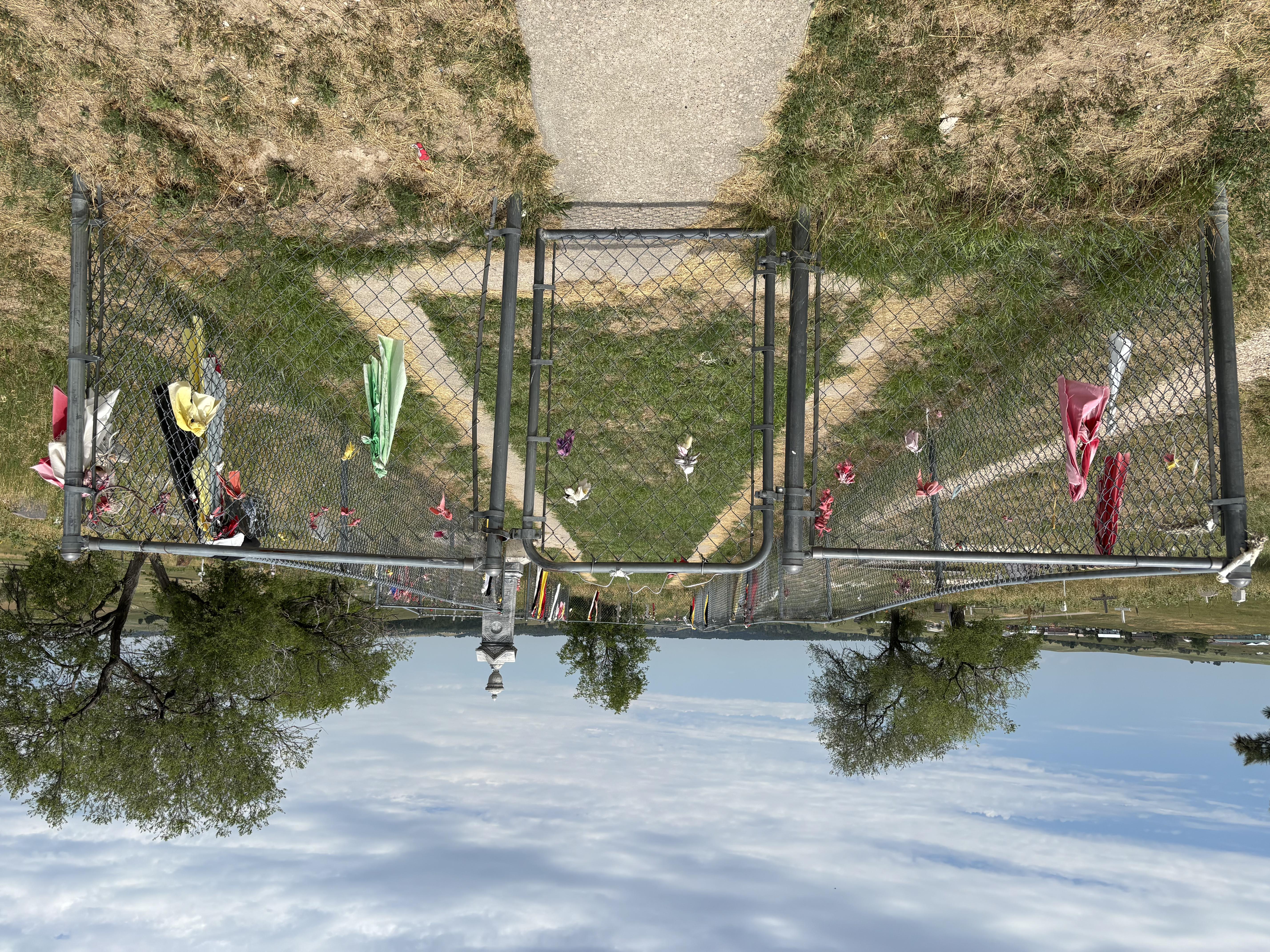
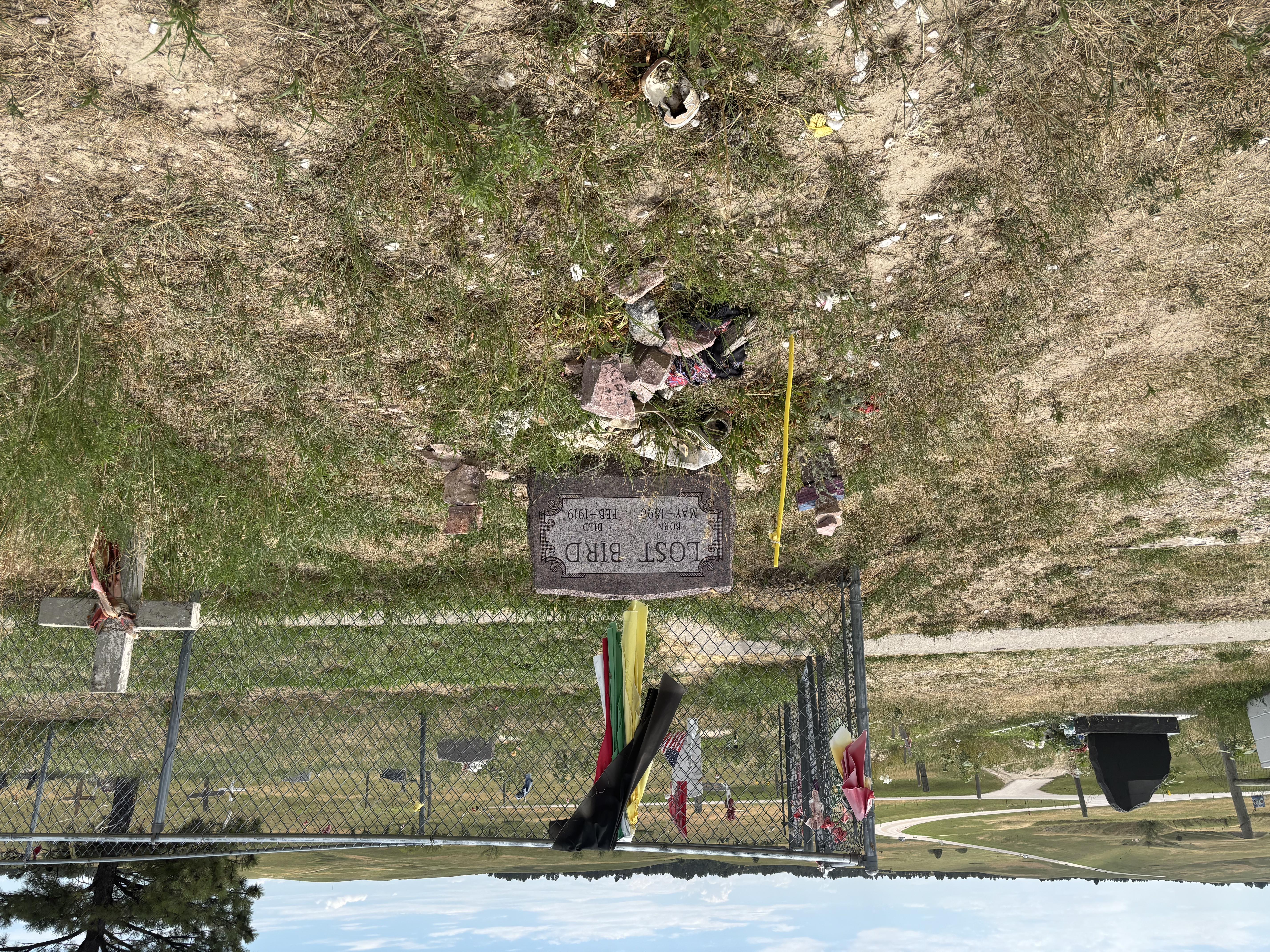
One of the gravestones the Boys saw that day was a sad survivor of the massacre that had been recently laid to rest with her people, Zintkála Nuni or “Lost Bird.”
Her story starts on the fourth day after the Wounded Knee massacre, when a US Army detail went out to bury the dead, Zintkála was found on the battlefield under a covering of snow, still tied and protected on her frozen mother's back. Although the exact member of the search party who found her is disputed, Charles Eastman and George E. Bartlett were among the physician team. She, along with five other babies, were taken to the nearby Pine Ridge Indian Reservation. Zintkála Nuni was found painted red, white, and blue by grease, used to protect the child against frostbite.
The baby was first cared for by members of the Lakota and she fully recovered from four days' exposure to freezing temperatures without food. Without knowledge of her identity or Lakota birth name, she was called Zintkála Nuni ("Lost Bird"). Zintkála Nuni received several other names within the first month of her discovery, including Maggie C. Nailor, Brings White Horse, Okicize Wanji Cinca, and Margaret Elizabeth Colby.
Bartlett took the child to Pine Ridge, where she was cared for by Native American resident Annie Yellow Bird. Buffalo Bill Cody, alongside press agent Major John Burke also took interest in the baby, arranging for her to be given to the Nailor family in Washington DC. The child was baptized Maggie C. Nailor in preparation to be adopted by Mrs. Allison Nailor, a wealthy business socialite friend of Buffalo Bill Cody.
In January 1891, the child gained the interest of General Leonard Wright Colby. When it was arranged that Colby should take custody of the child, Annie Yellow Bird took Zintkála Nuni to the nearby hostile Indian camp. Colby, intent on taking his 'prized relic', disguised himself as a half-blood Seneca Indian and rode into Red Cloud's camp to demand the child.Zintkála was then taken by Colby by train to his home in Beatrice, Nebraska as a relic or "curio" of the massacre. Zintkála Nuni's heritage was consistently disputed, a factor which promoted Colby's swift return to the east and adoption on January 19, 1891, naming her Margaret Elizabeth Colby, after a townswoman named 'Margaret' who had aided Colby in the child's abduction from Red Cloud's camp.
Colby said about his new daughter, "She is my relic of the Sioux War of 1891 and the Massacre of Wounded Knee. " Upon his return to Beatrice, Colby held several large gathering to exhibit the child, receiving 2,000 visitors within 4 days. Zintkala was raised by Colby's wife, Clara Bewick Colby, who was a suffragette activist and publisher of The Woman's Tribune newspaper. Learning that a Lakota woman had said "Zintkála Nuni" [lost bird] when Colby took her away, Clara Colby called her "Zintka" instead of "Leonarda" as the Beatrice townsfolk used. Clara Colby and Lost Bird used the name 'Zintka Lanuni' in their correspondence.
When Zintkála was 5 years old, General Colby abandoned the family, married Zintkála's nanny and moved to Beatrice, Nebraska. According to her biographer, because she was raised by a privileged, white family yet was sent to segregated boarding schools for her education, Zintkála suffered through a childhood of prejudice and rejection by both relatives and classmates.
Due to Clara Colby's busy work life, Zintkála spent her school years at Native American boarding schools including Haskell in Kansas and Chamberlain in South Dakota. She also spent a brief period on a farm owned by the Pope family in Madison, Wisconsin. When Zintkala was 17 years old, Clara Colby decided Zintkála was too rebellious and sent her to live with her adoptive father. Soon after, Zintkala became pregnant. General Colby committed Zintkála to the Milford Industrial Home in Milford, Nebraska, a reformatory for unwed mothers, where her child was stillborn within the first month of her arrival. Zintkala remained there for a year, which was the usual commitment period for the institution.
In March 1910, Zintkála Nuni worked as a mascot for the Omniciye Tonka Lakota, where she engaged in prostitution. In 1912, Zintkála was hired by Pathé and was involved in the following films: The Round-up, films for Essanay Pictures, Ammex Moving Picture Company and Thomas H. Ince: War on the Plains, The Battle of Red Men, and The Lieutenant's Last Fight, where she was an extra. Later, she joined the Buffalo Bill's Wild West show, which had merged with Sells-Floto Circus for the 1914–15 season, before starting her own vaudeville entertainment business with husband and fellow-performer Dick Allen.
From an early age, Zintkála Nuni had a personal column in the National Woman Suffrage Association's Woman's Tribune newspaper, entitled "Zintkála's Corner". She accompanied Clara Colby in 1899 to London for the International Council of Women. She ironically portrayed Pocahontas at the 1915 Panama-Pacific Exposition in San Francisco.
During her youth, Zintkála Nuni was frequently visited by prominent Native American figures, including Hawaiian Queen Liluokalani, fellow Wounded Knee survivors, and Red Cloud. Based on speculation that she may have been the daughter of Black-Day Woman, youngest wife of Sitting Bull, Zintkála Nuni often attempted to reach the South Dakota tribe with whom she most identified with.
In one letter to Clara Colby, Zintkála Nuni wrote: "I want to go there [Standing Rock Reservation] very very much. ... I don't belong here [Chemawa Boarding School] anyway and these are not my tribe of Indians and I hate it here. S.D. was the only place I was ever really and truly happy and why can't I go back there. ... This comes from my heart and not from my lips only." As biographer Renée Sansom Flood explains: "The cost of being taken from the Lakota was more than the loss of her language, her music, her food, her family kinship; it was the loss of her identity as a human being, the loss of her mind."
Zintkála Nuni formed a close friendship with fellow Wounded Knee child survivor Mary Thomas. In December 1915, she applied for citizenship of the Cheyenne River Sioux Reservation.
In December 1915, Zintkála Nuni's allotment on the Cheyenne River Sioux Reservation was sold without approval, provoking her and her third husband to move from a hotel room to his parents' home in Hanford, California three years later. Due to poverty and Allen's illness, Zintkála engaged in prostitution to raise funds. During this time, her husband and one child died.
Zintkála Nuni's illness gradually worsened throughout her life. She became blind in one of her eyes, skin blotched, and had affected organs. On February 14, 1920, Zintkála died of a heart failure, complicated by syphilis, during an epidemic of Spanish influenza. She was buried in a pauper's grave in Hanford, California.
However, her story lived on, in July 11, 1991, a ceremony led by nineteenth-generation Keeper of the Sacred Calf Pipe of the Lakota Nation, Arvol Looking Horse, was held at Wounded Knee, South Dakota to inter the transferred remains of Zintkala Nuni near the mass grave of her Lakota family.
In her honor, the "Lost Bird Society" was created to help those Native Americans who were adopted outside their culture to recover their heritage.
Zintkála Nuni is the inspiration behind the main character of the children's story Yellow Star by Elaine Goodale Eastman. By now it was pushing 3:00, just enough time for another Lakota history event. Finding Crazy Horse!
Crazy for Crazy Horse
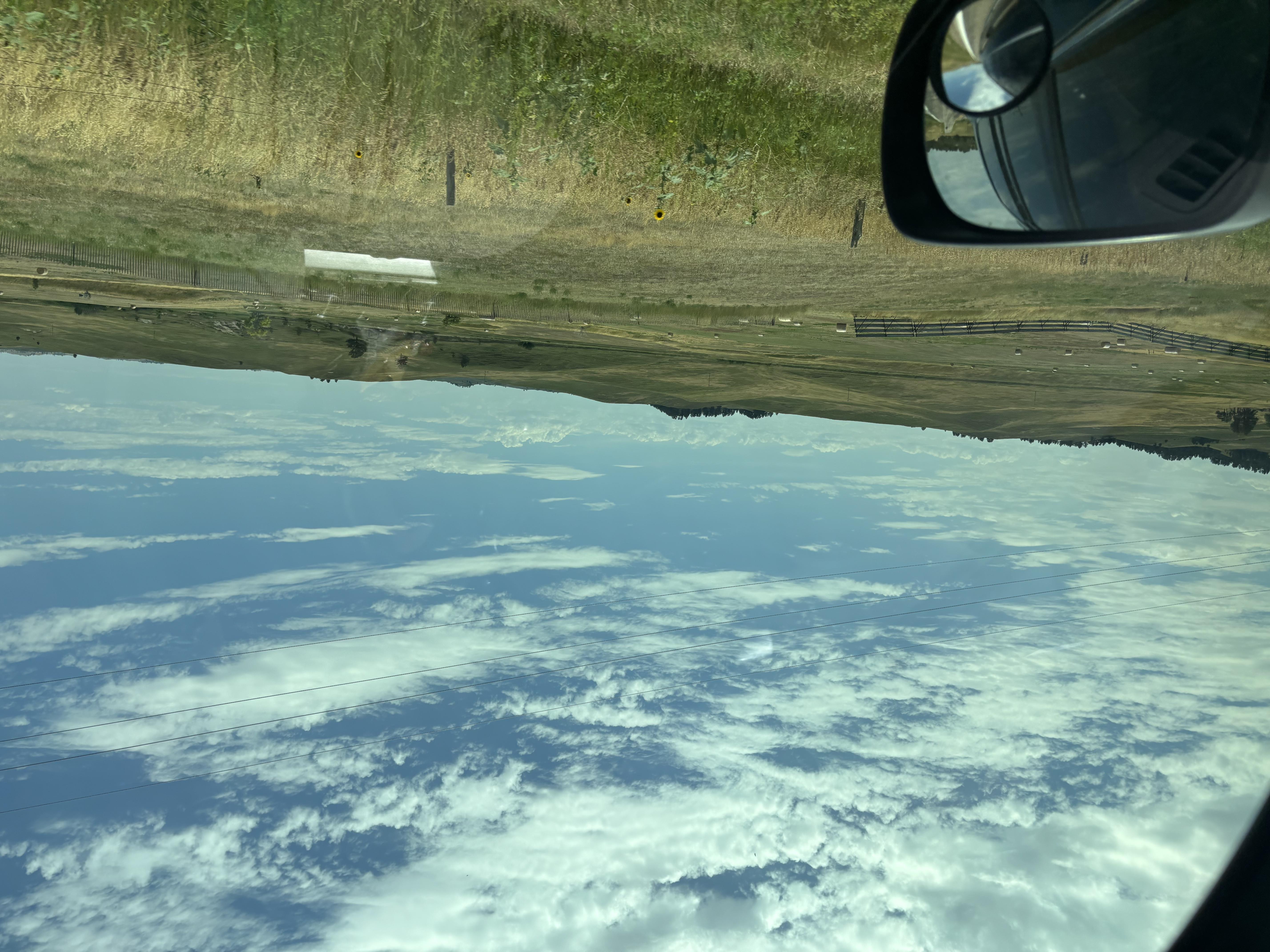
Pine Ridge was the home of several of the most famous Lakota Sioux, especially from Custer's Little Big Horn Battle Black Elk, Sitting Bnulling and of course, the crazy one in the clan, Crazy Horse! Crazy Horse met his violent end at Fort Robinson Nebraska, so after the Wounded Knee scalping, the Boys were look for some lower cost Native American History and took off for a 2 1/2 hour drive south, which took Mike and Bone through a corner of the Black hills!
This is Nebraska!?!
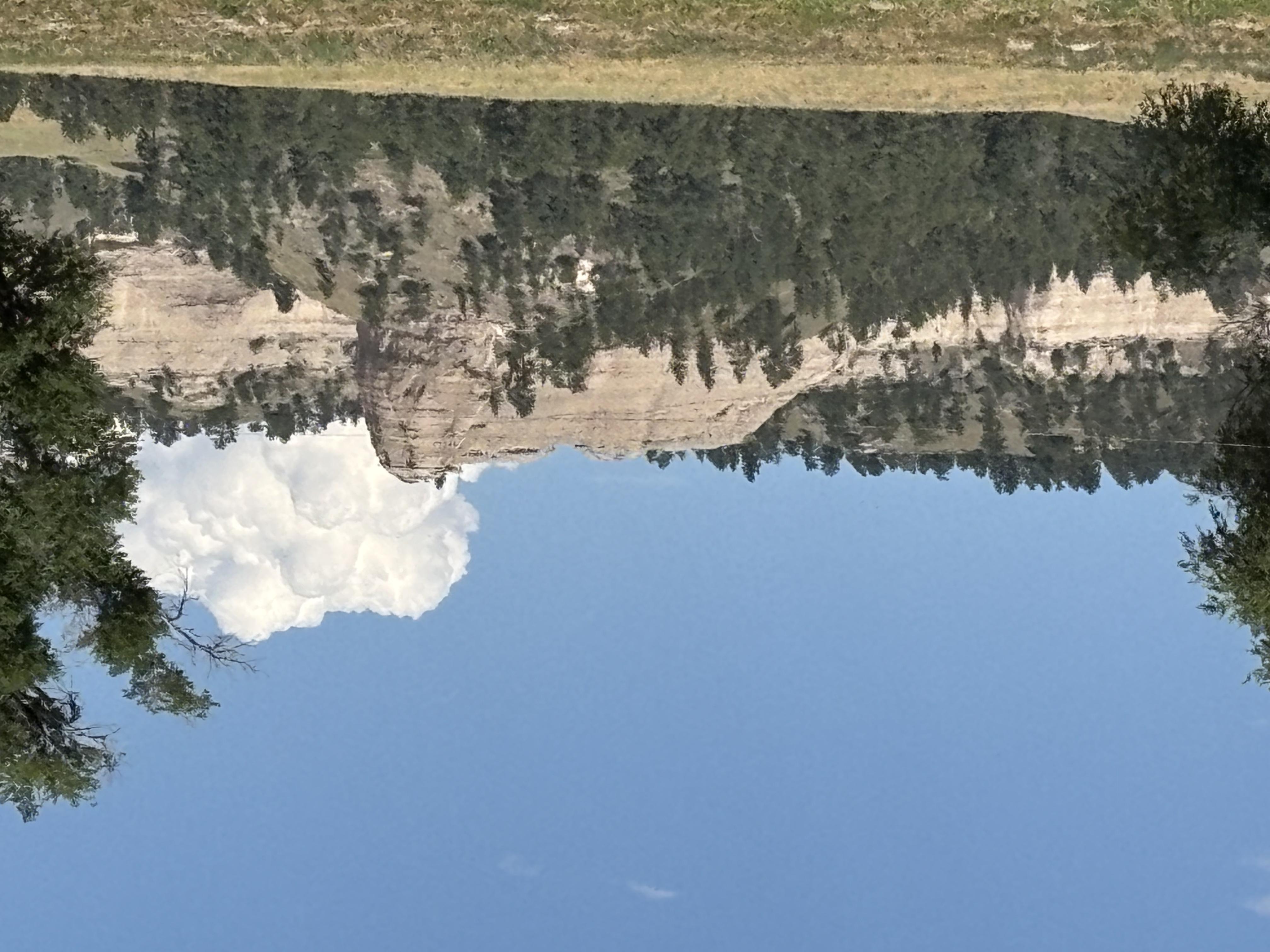
Crazy Horse was one of the fiercest warriors even in the Lakota Sioux. In the view of an author, Chris Hedges, "there are few resistance figures in American history as noble as Crazy Horse," while adding that "his ferocity of spirit remains a guiding light for all who seek lives of defiance." That "bad dude," Crazy Horse or "Tasunke Witco" was born as a member of the Oglala Lakota on Rapid Creek about 40 miles northeast of Thunderhead Mt. (now Crazy Horse Mountain) probably around 1840.
Crazy Horse Memorial at Fort Robinson
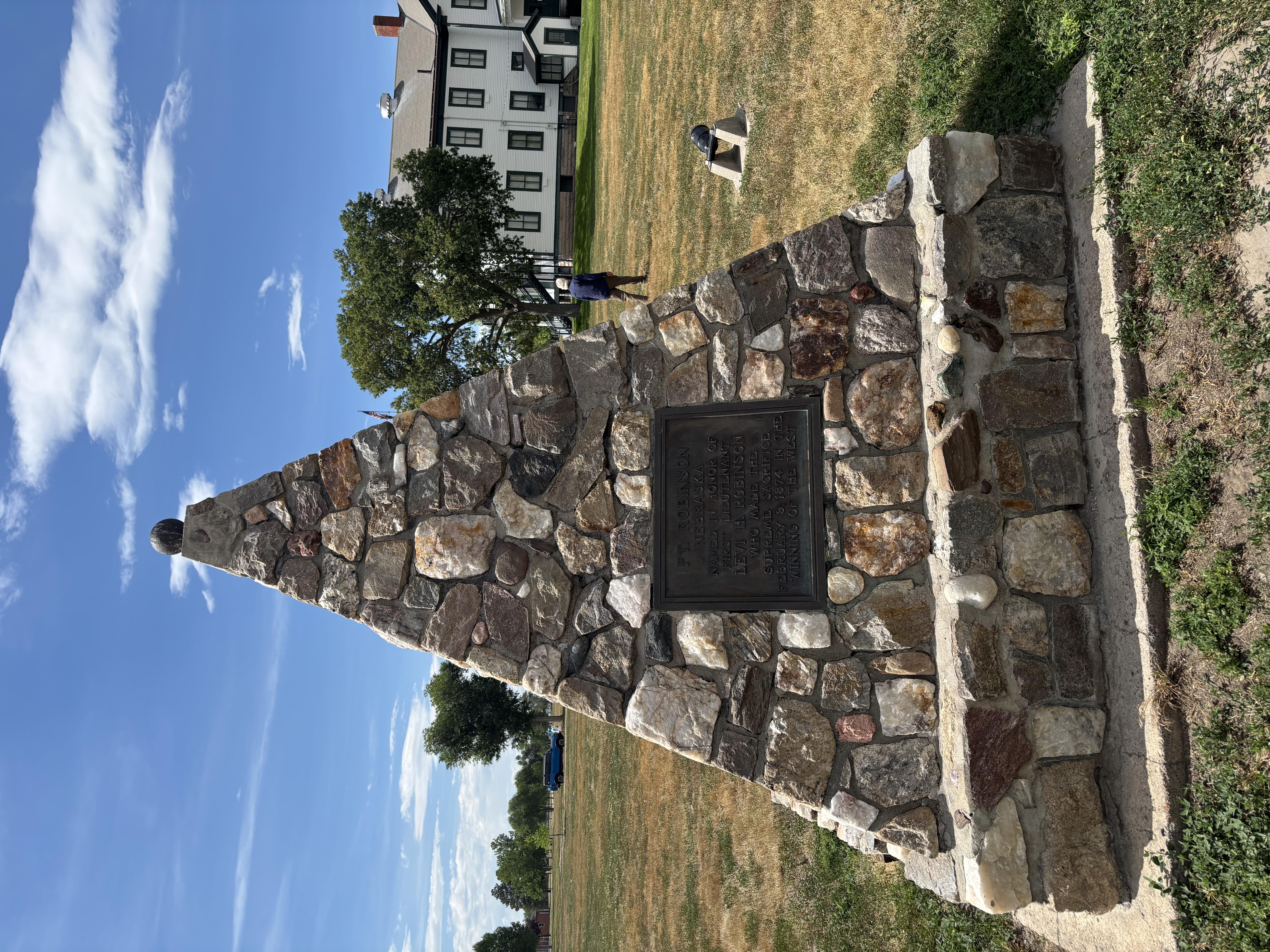
Crazy Horse wasn't a full chief, but a Lakota war leader in the Oglala band. He took up arms against the United States federal government to fight against encroachment by White American settlers on Native American territory and to preserve the traditional way of life of the Lakota people. His participation in several famous battles of the Black Hills War on the northern Great Plains, among them the Fetterman Fight in 1866, in which he acted as a decoy, and the Battle of the Little Bighorn in 1876, in which he led a war party to victory, earned him great respect from both his enemies and his own people. Mike and Bone got to Fort Robinson with about 20 minutes before everything closed!
Crazy Horse Museum
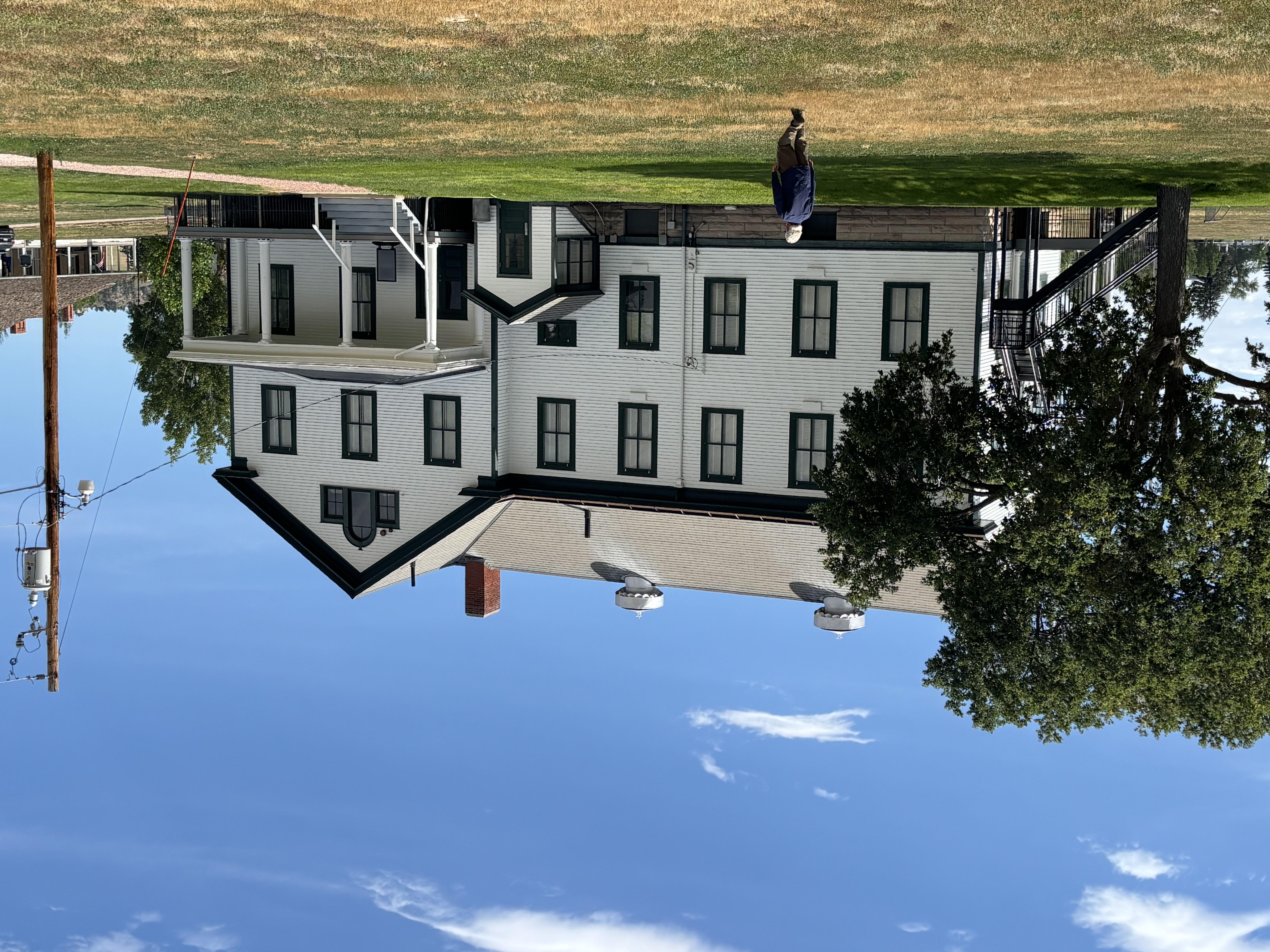
Why Fort Robinson? Because that is where he met his end.
Much of Crazy Horse’s adult life was spent in battle with the White Man until on January 8, 1877, Crazy Horse's warriors fought their last major battle at Wolf Mountain, against the US Cavalry in the Montana Territory. Crazy Horse and those Lakota with him struggled through the winter of 1877, weakened by hunger and the long cold. Crazy Horse decided to surrender with his band to protect them, and went to Fort Robinson in Nebraska to surrender to General Crook at Red Cloud Agency; on Sunday, May 6, 1877.
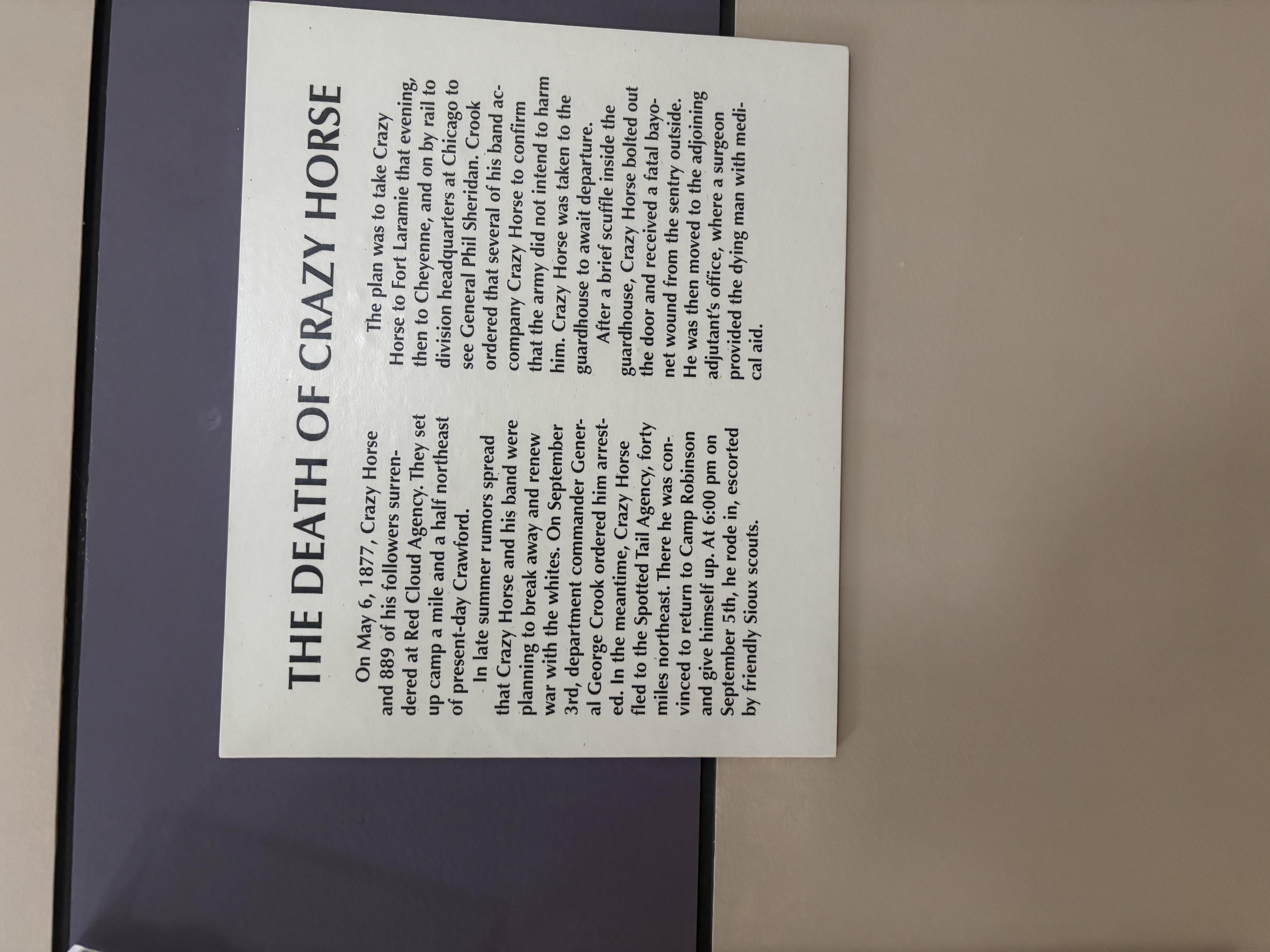
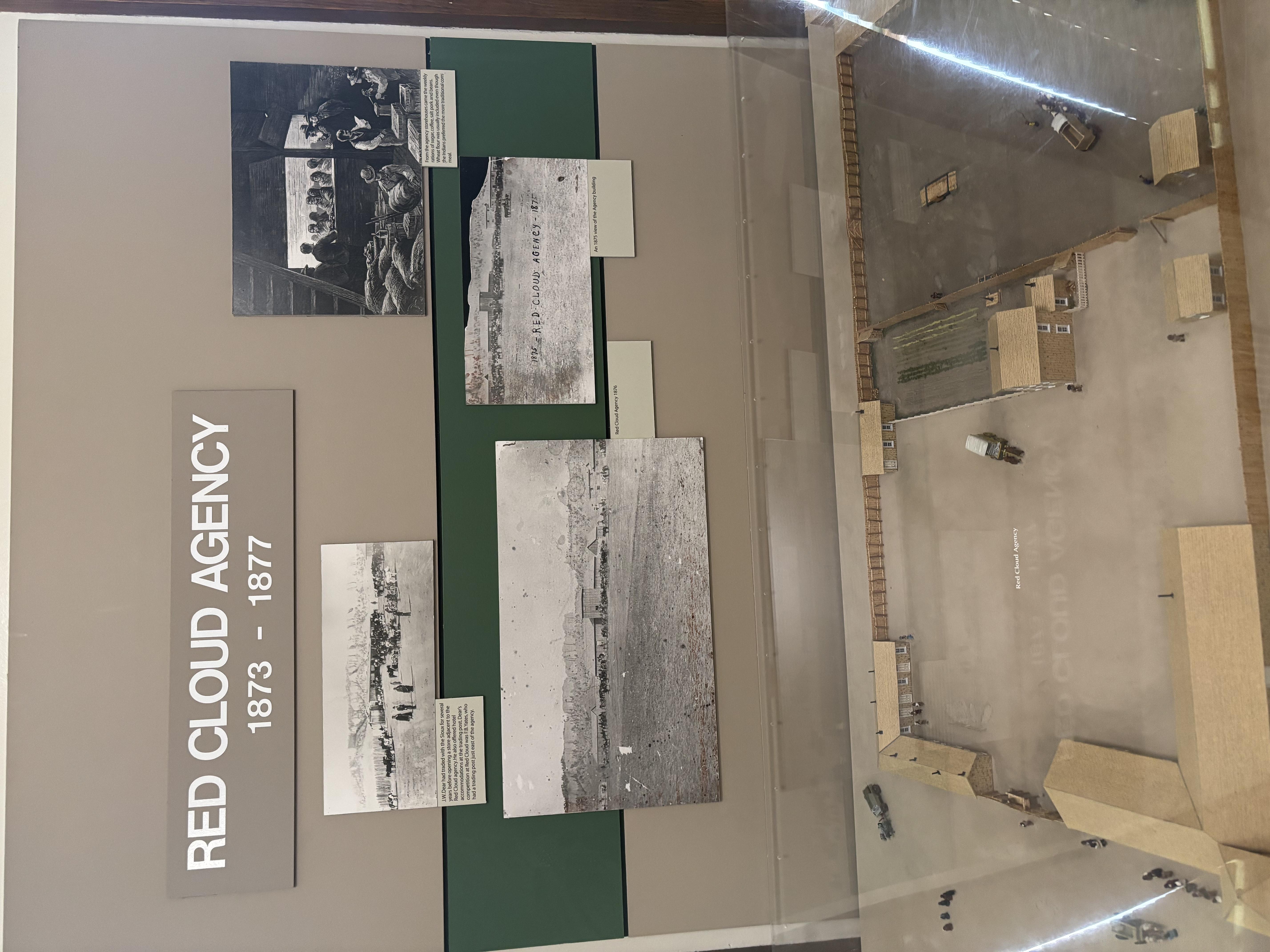
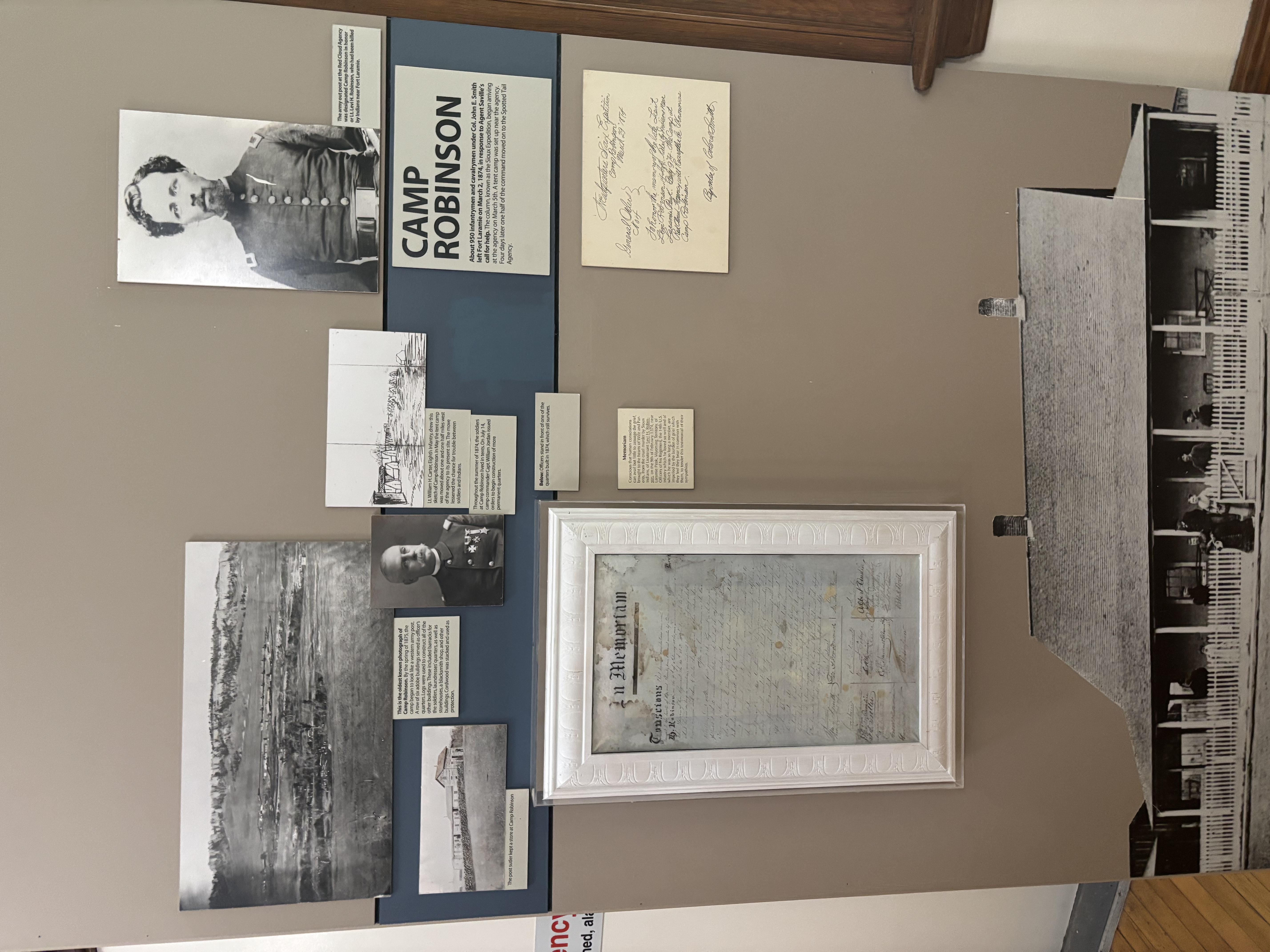
Crazy Horse and other northern Oglala leaders arrived at the Red Cloud Agency, located near Fort Robinson, Nebraska, on May 5, 1877. Together with He Dog, Little Big Man, Iron Crow and others, they met in a solemn ceremony with First Lieutenant William P. Clark as the first step in their formal surrender.
For the next four months, Crazy Horse resided in his village near the Red Cloud Agency. The attention that Crazy Horse received from the Army drew the jealousy of Red Cloud and Spotted Tail, two Lakota who had long before come to the agencies and adopted the white ways. Rumors of Crazy Horse's desire to slip away and return to the old ways of life started to spread at the Red Cloud and Spotted Tail agencies. In August 1877 officers at Camp Robinson received word that the Nez Perce of Chief Joseph had broken out of their reservation in Idaho and were fleeing north through Montana toward Canada. When asked by Lieutenant Clark to join the Army against the Nez Perce, Crazy Horse and the Miniconjou leader Touch the Clouds objected, saying that they had promised to remain at peace when they surrendered. According to one version of events, Crazy Horse finally agreed, saying that he would fight "till all the Nez Perce were killed." But his words were apparently misinterpreted by a half-Tahitian scout, Frank Grouard, a person not to be confused with Fred Gerard, another U.S. Cavalry scout during the summer of 1876. Grouard reported that Crazy Horse had said that he would "go north and fight until not a white man is left." When he was challenged over his interpretation, Grouard left the council. Another interpreter, William Garnett, was brought in but quickly noted the growing tension.
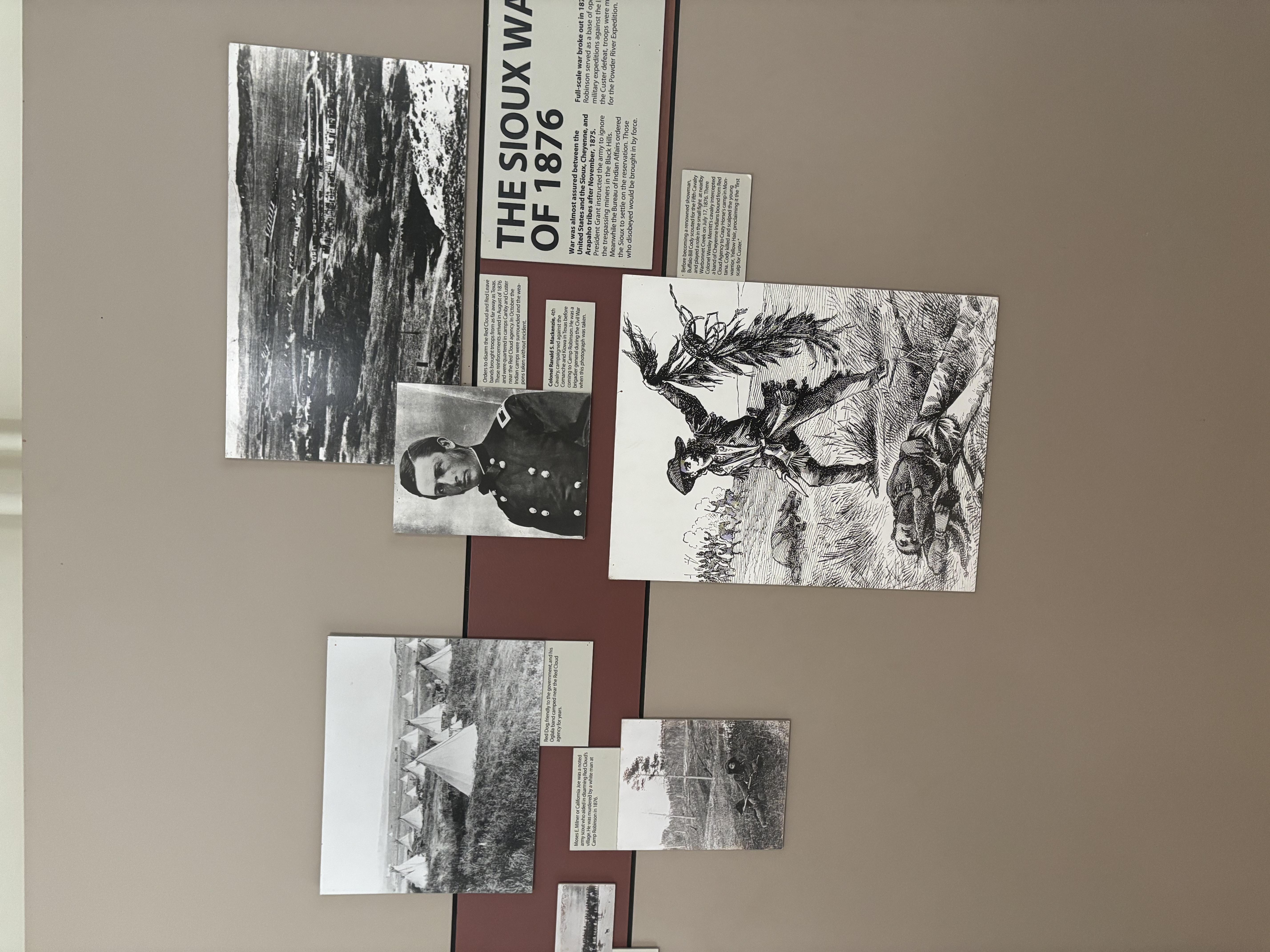
With the growing trouble at the Red Cloud Agency, General George Crook was ordered to stop at Fort Robinson. A council of the Oglala leadership was called, then canceled, when Crook was incorrectly informed that Crazy Horse had said the previous evening that he intended to kill the general during the proceedings. Crook ordered Crazy Horse's arrest and then departed; leaving the post commander at Fort Robinson, Lieutenant Colonel Luther P. Bradley, to carry out his order. Additional troops were brought in from Fort Laramie. On the morning of September 4, 1877, two columns moved against Crazy Horse's village, only to find that it had scattered during the night. Crazy Horse had fled to the nearby Spotted Tail Agency with his wife, who had become ill with tuberculosis. After meeting with military officials at Camp Sheridan, the adjacent military post, Crazy Horse agreed to return to Fort Robinson with Lieutenant Jesse M. Lee, the Indian agent at Spotted Tail.
Where Crazy Horse was Bayoneted in the Back!
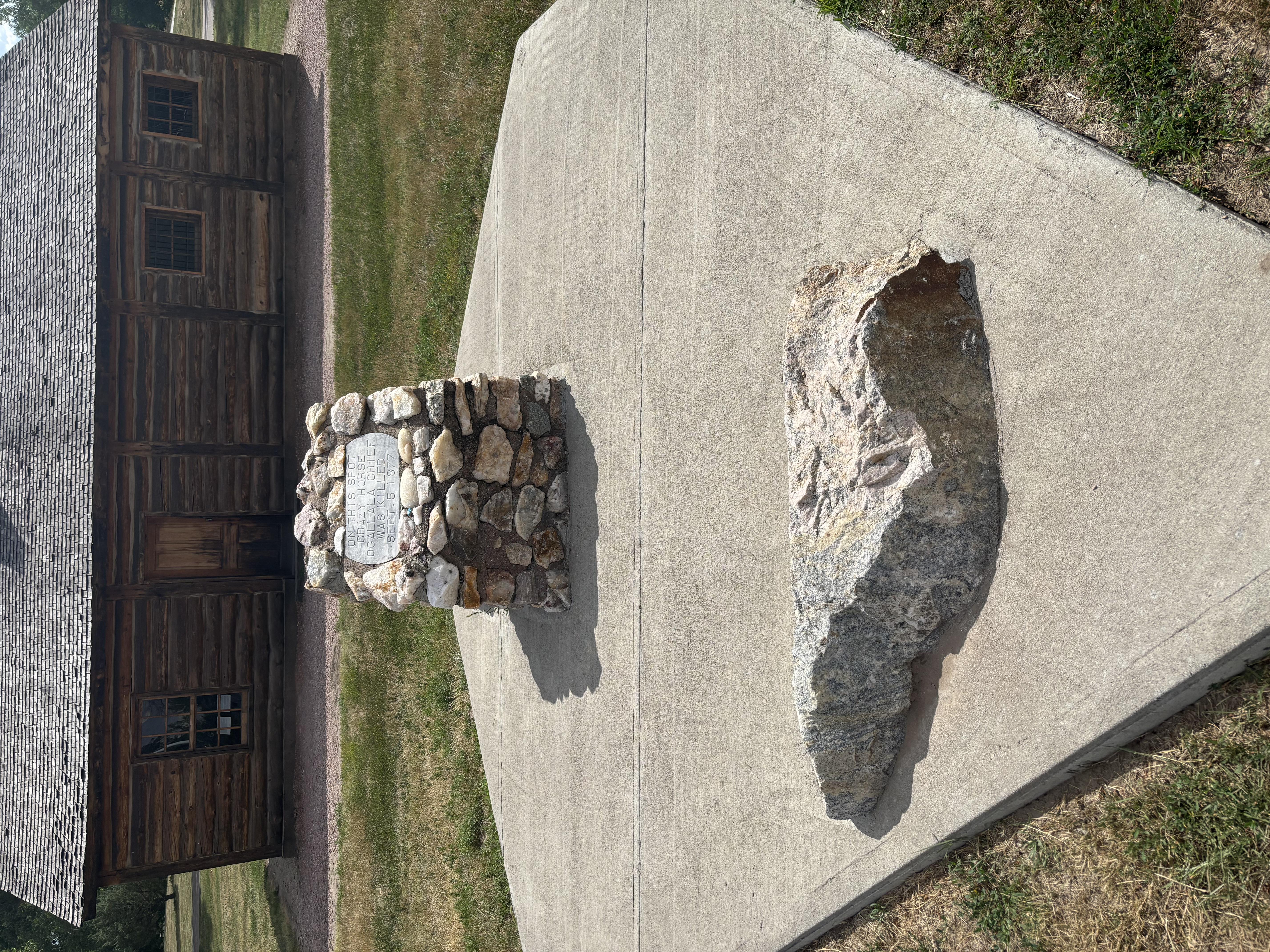
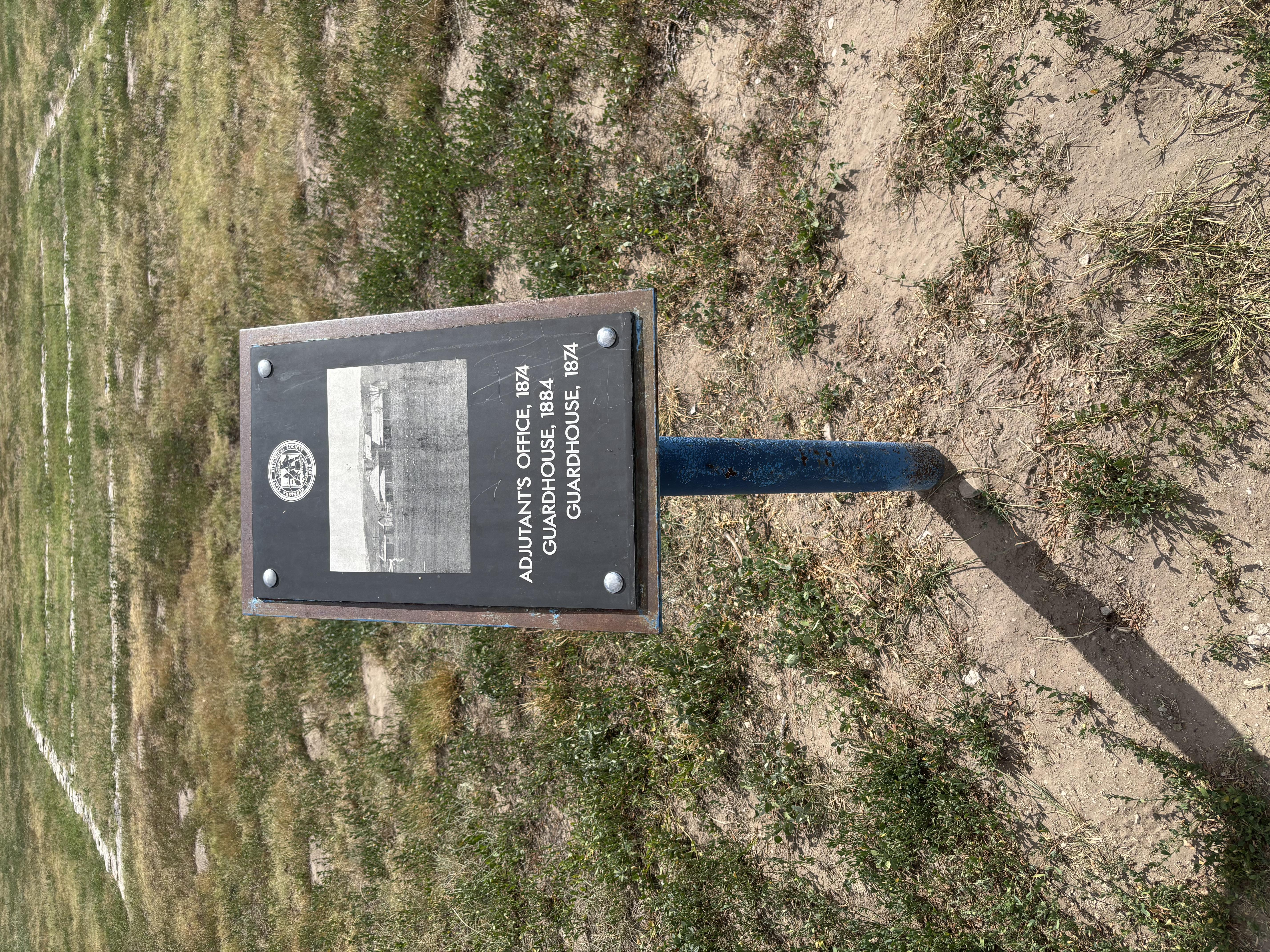
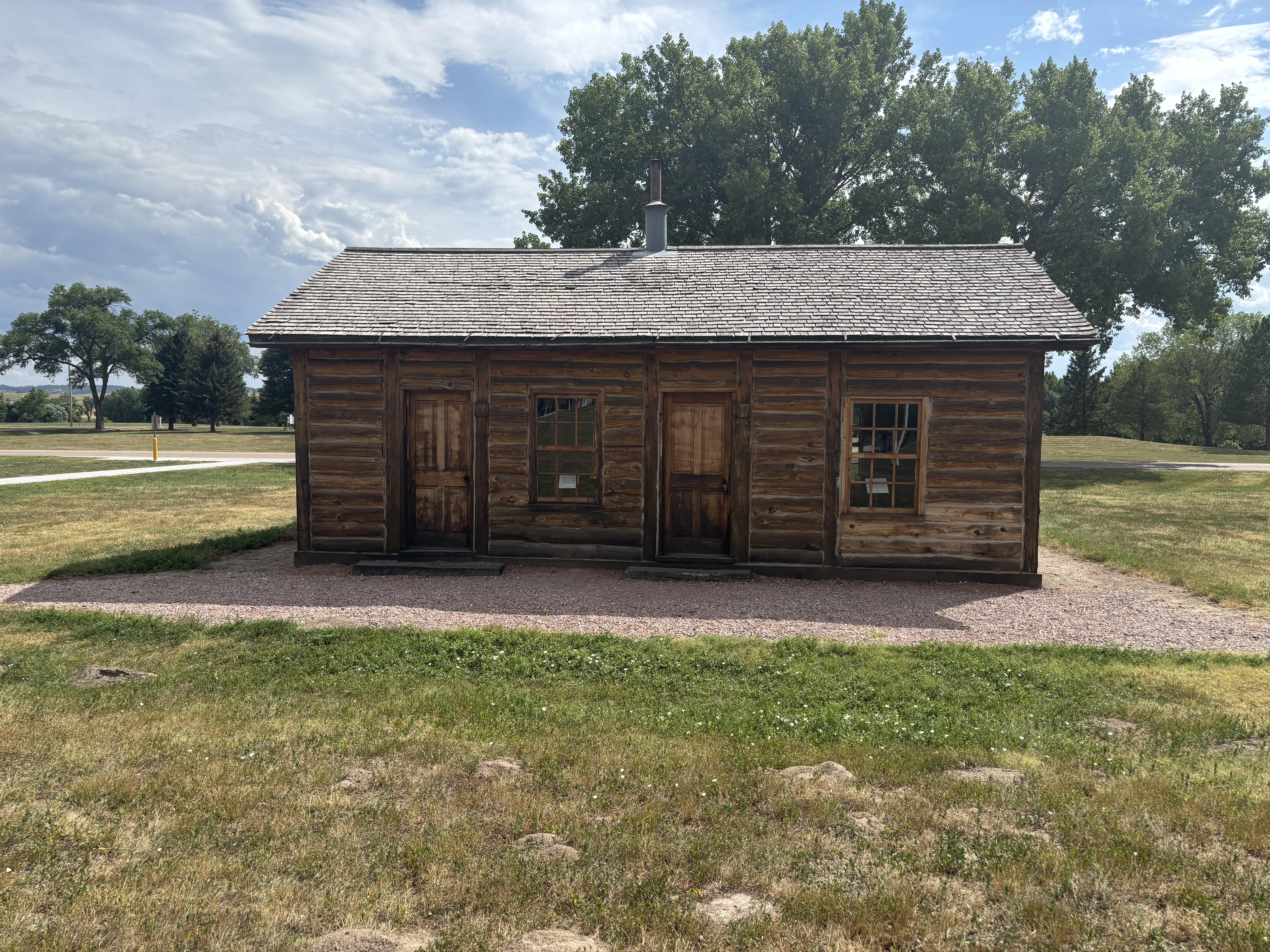
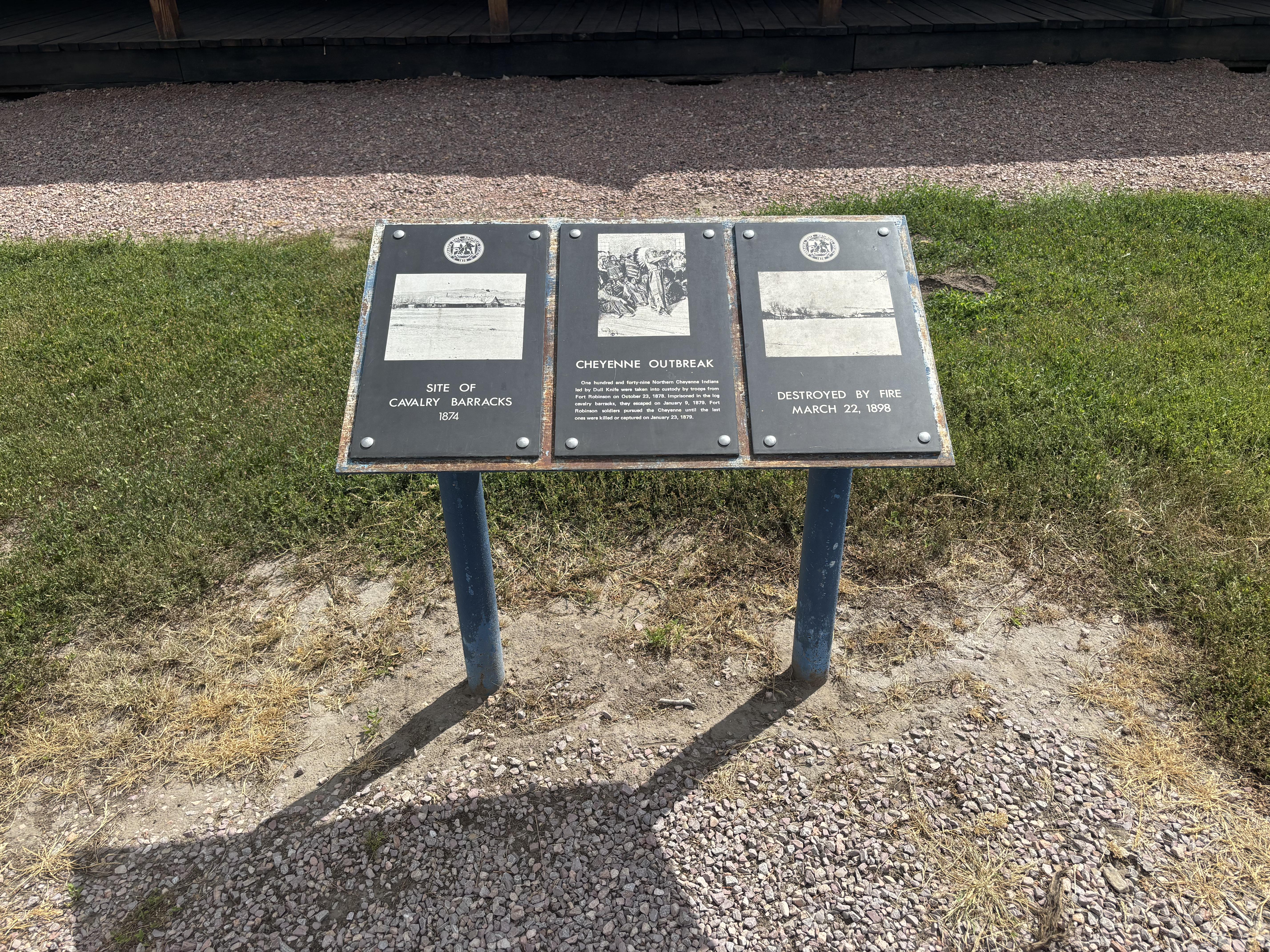
On the morning of September 5, 1877, Crazy Horse and Lieutenant Lee, accompanied by Touch the Clouds as well as a number of Indian scouts, departed for Fort Robinson. Arriving that evening outside the adjutant's office, Lieutenant Lee was informed that he was to turn Crazy Horse over to the Officer of the Day. Lee protested and hurried to Bradley's quarters to debate the issue, but without success. Bradley had received orders that Crazy Horse was to be arrested and taken under the cover of darkness to Division Headquarters. Lee turned the Oglala war chief over to Captain James Kennington, in charge of the post guard, who accompanied Crazy Horse to the post guardhouse. Once inside, Crazy Horse struggled with the guard and Little Big Man and attempted to escape. Just outside the door, Crazy Horse was stabbed with a bayonet by one of the members of the guard. He was taken to the adjutant's office, where he was tended by the assistant post surgeon at the post, Valentine McGillycuddy, and died late that night.
Crazy Horse, even when dying, refused to lie on the white man's cot. He insisted on being placed on the floor. Armed soldiers stood by until he died. And when he breathed his last, Touch the Clouds, Crazy Horse's seven-foot-tall Miniconjou friend, pointed to the blanket that covered the chief's body and said, "This is the lodge of Crazy Horse."
The following morning, Crazy Horse's body was turned over to his elderly parents, who took it to Camp Sheridan and placed it on a burial scaffold. The following month, when the Spotted Tail Agency was moved to the Missouri River, Crazy Horse's parents moved the remains to an undisclosed location. There are at least four possible locations as noted on a state highway memorial near Wounded Knee, South Dakota. His final resting place remains unknown to this today. With a full understanding of Crazy Horse, Mike and Bone finally realized he was not a bass player for Neil Young!! With that important fact, Mike and Bone headed back to Kadoka!
Driving back to Kadoka
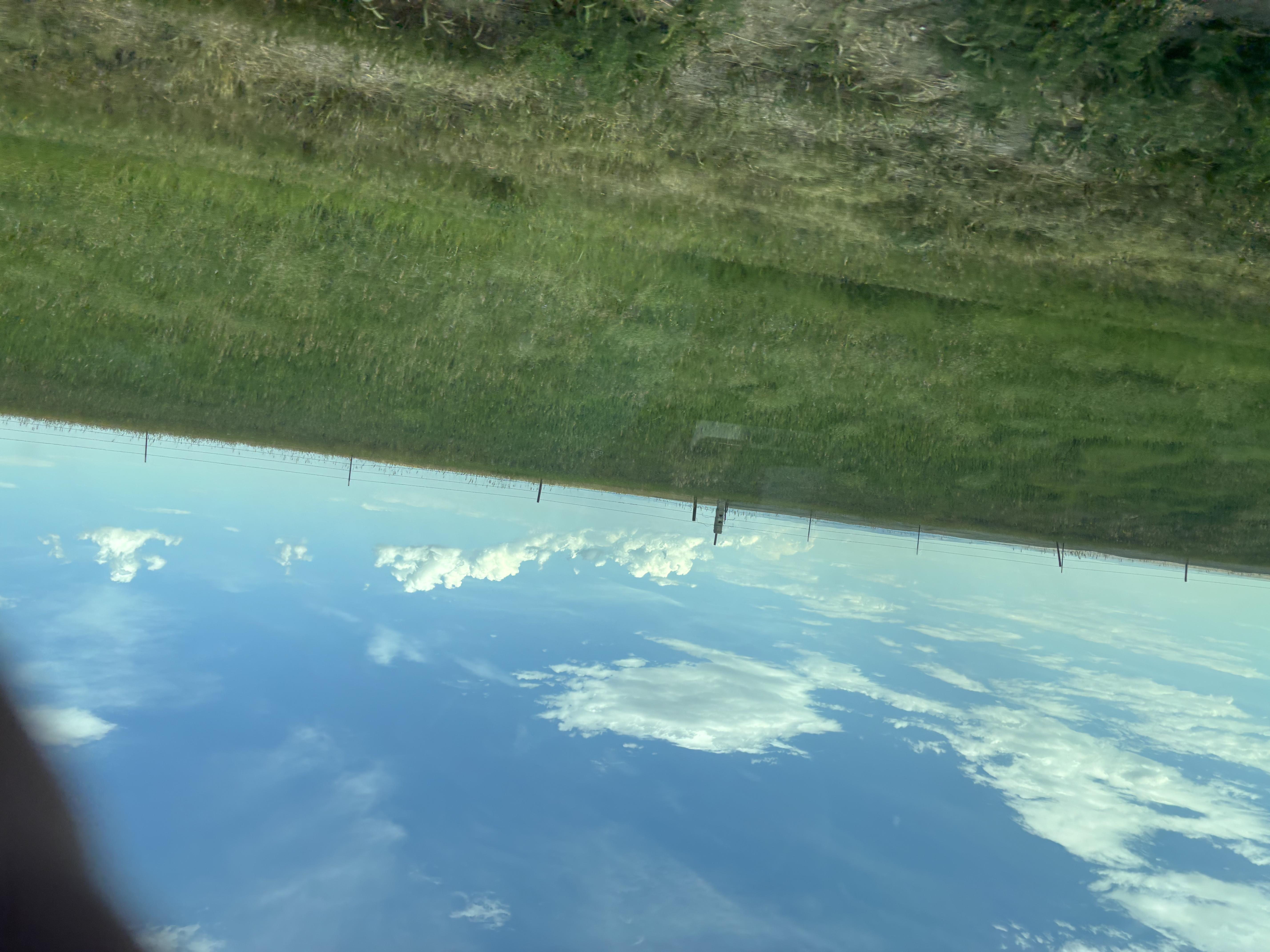
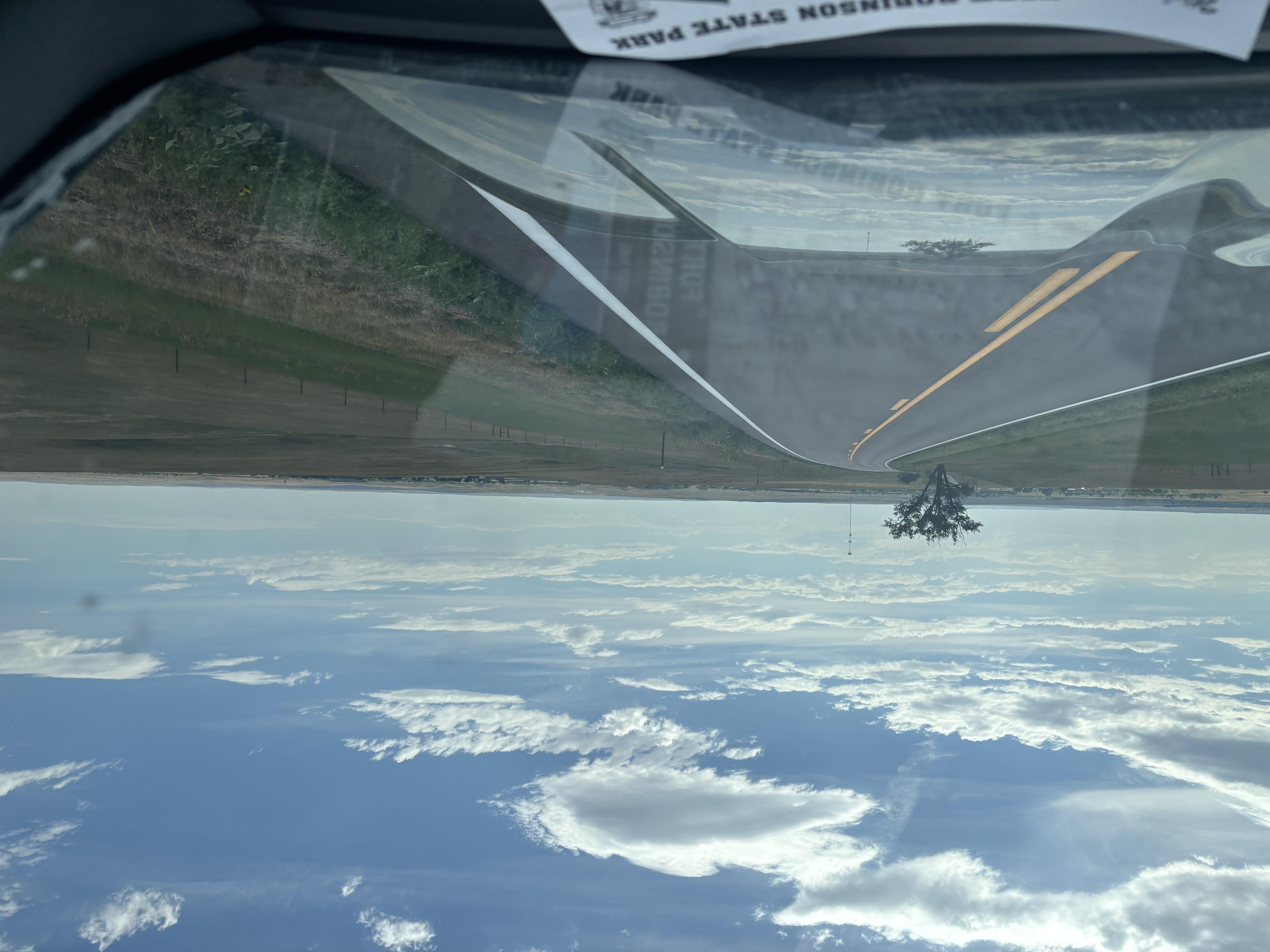
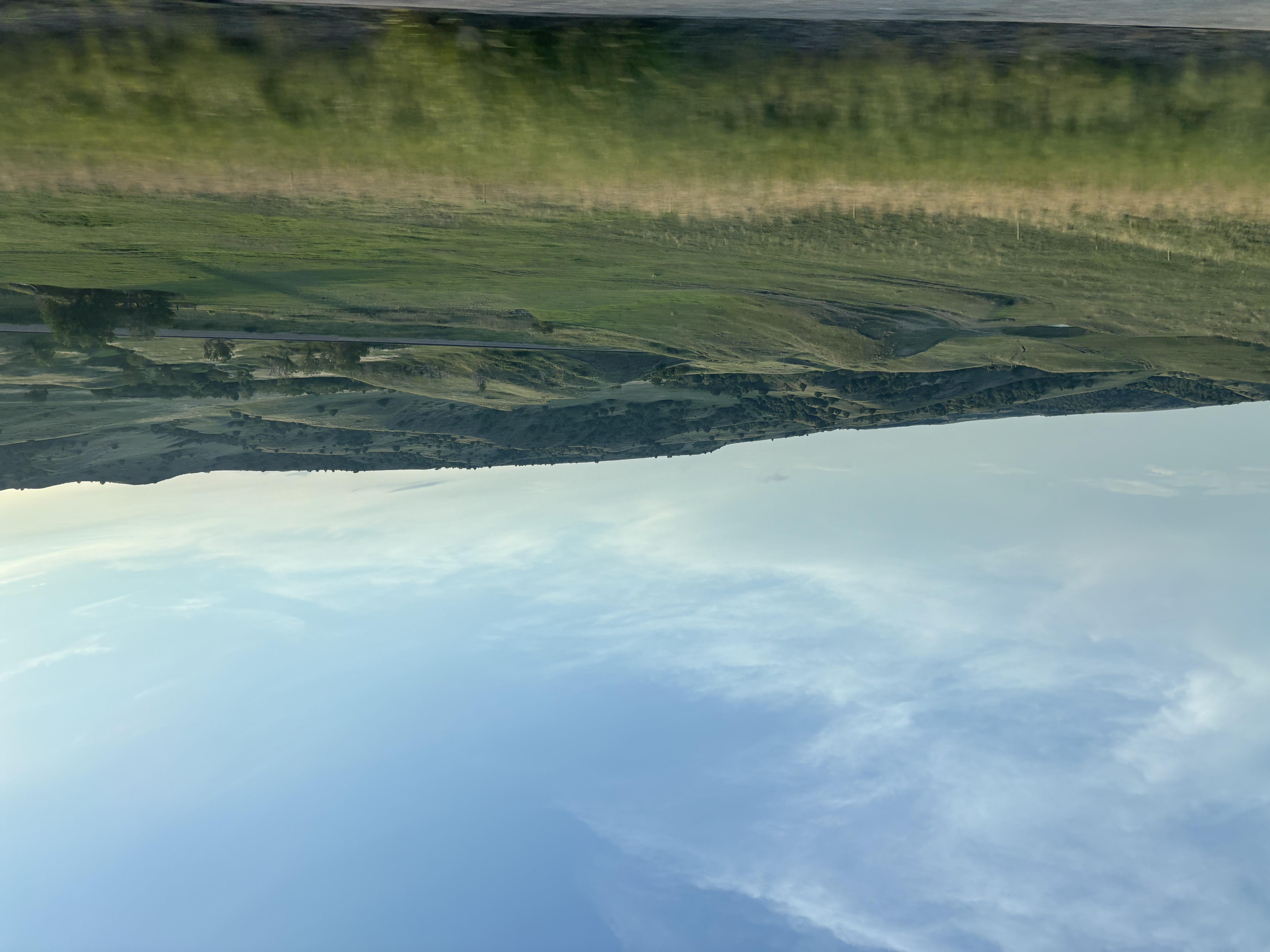
During the drive back Mike and Bone talked about Crazy Horse, and Tianna & Gus Yellowfeather, and as they drove from the beautiful hills on Nebraska into the flatlands of South Dakota, the Boys noticed that there were not a lot of towns or restaurants along the way!!!
Mystery Meat
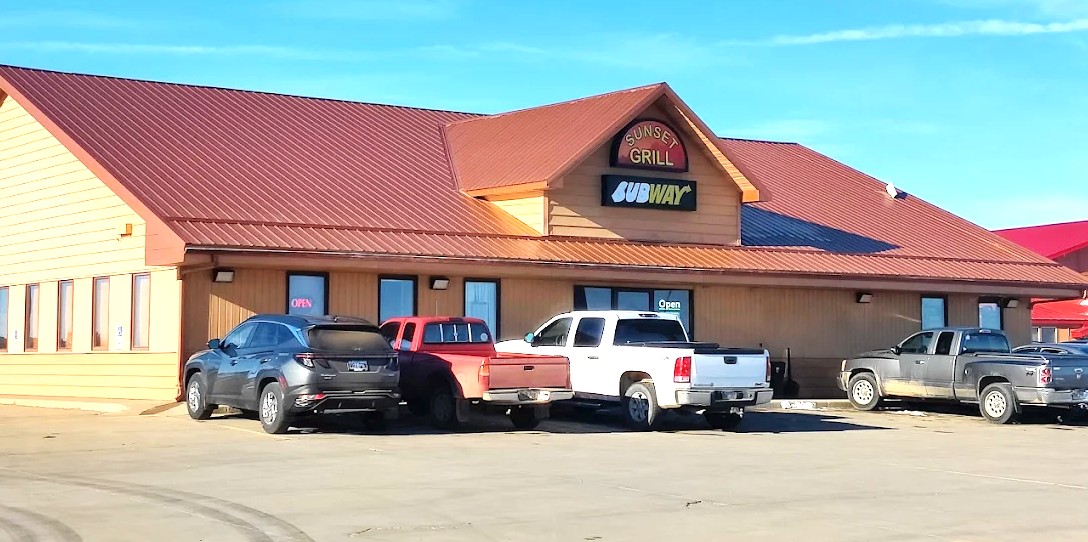
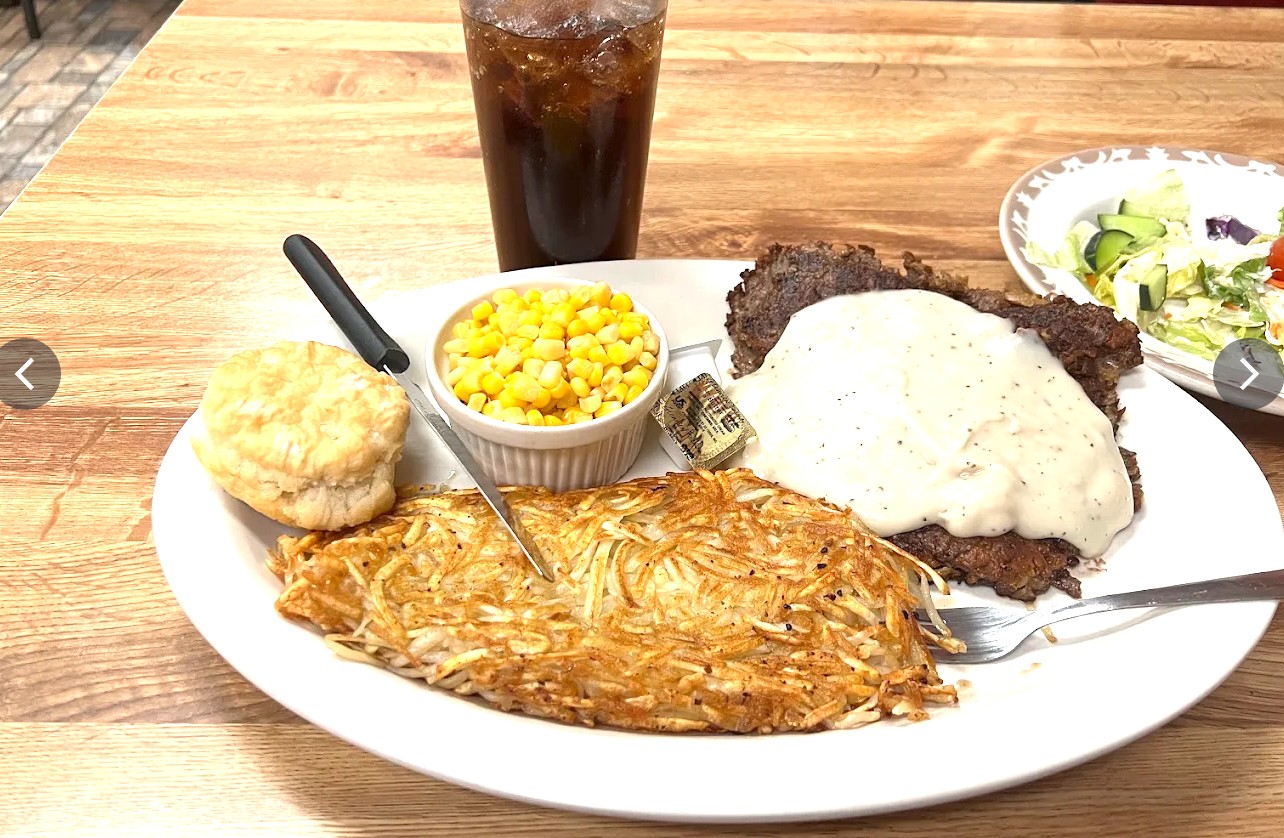
Getting into Kadoka, there was sort of only one place to eat in Kadoka, so as the sun set around them, their only local choice was the Sunset Grill!
A Gas Station, A Casino, and yes a restaurant, all facets of the Sunset Grill! Mike and Bone grabbed a seat where two local teenagers (guy and girl) took their order and cooked their meals. Figuring their were out in the Country, chicken-fried steak sounded as safe as anything on the menu!
The Boys order to rounds of the well known meal and were served something. They were never sure what it was, well, it sorta tasted like meat! But not a 100 percent! Furthermore the swarm of flies in the Restaurant and its Kitchen didn't make the highly indigestible meal any more digestible!!!
Burping and belching Mike and Bone headed back to Grandpa Joe's only to dodge flies trying to get in their room and retire early!