Day 6: Passing thru El Paso!
Main Page > Go South West Old Men! >
The Boys rose early and with a little of regret in their hearts, grabbed some MacDonald's goodies and coffee, and headed west out of Big Bend north on 90, past Marfa and Valentine towards the epic Guadaloupe Mountains National Park!
Heading West
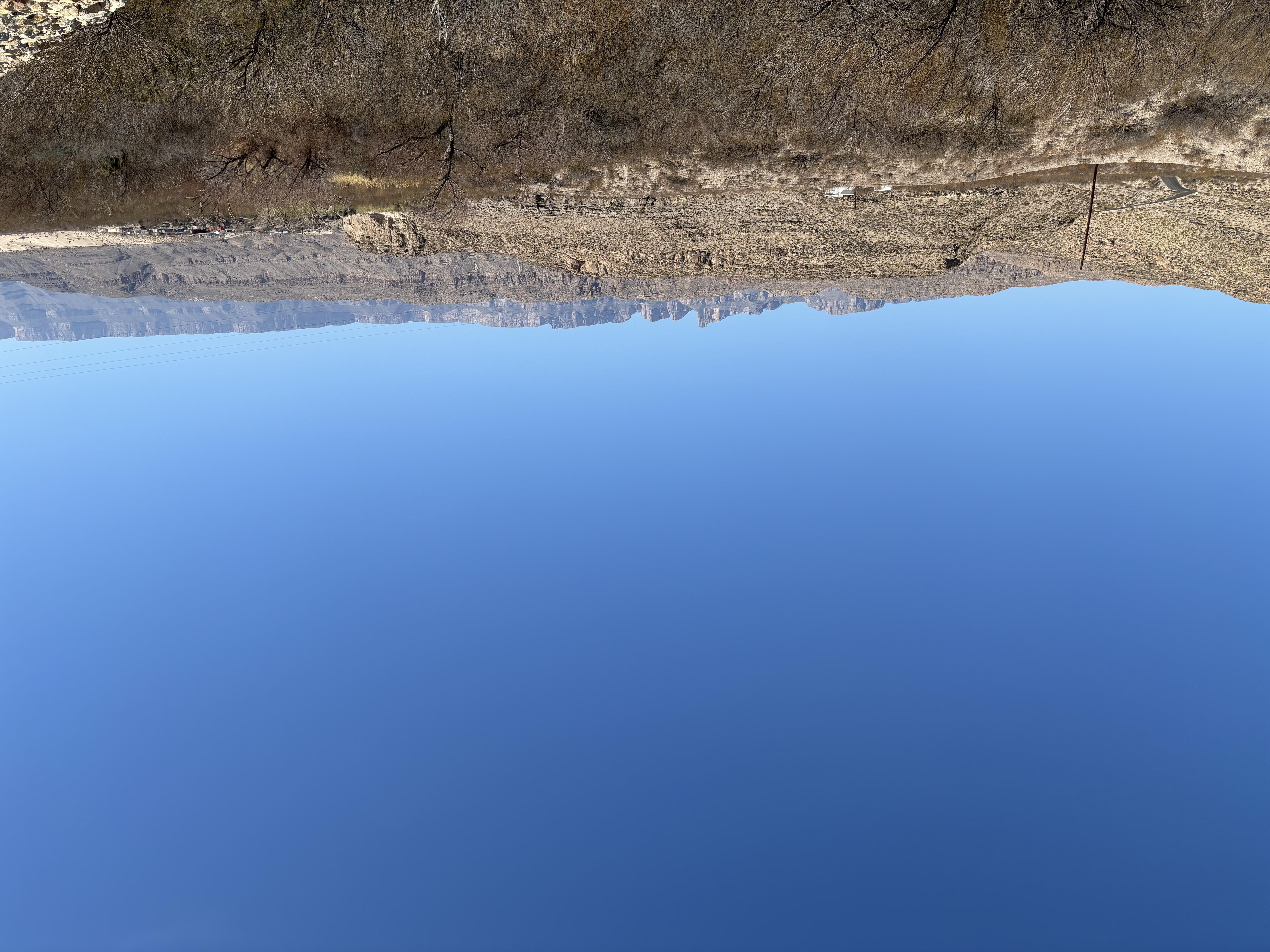
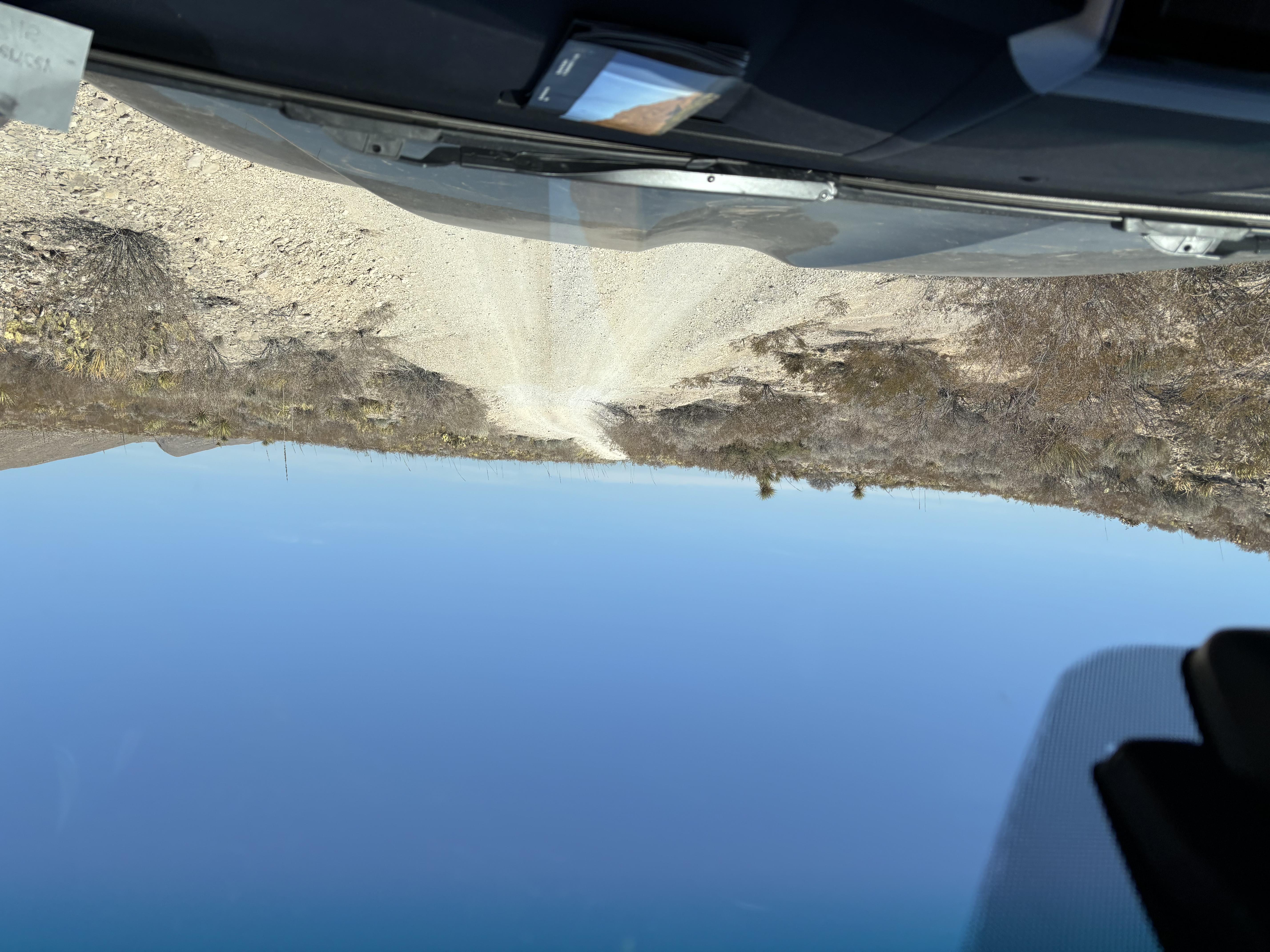
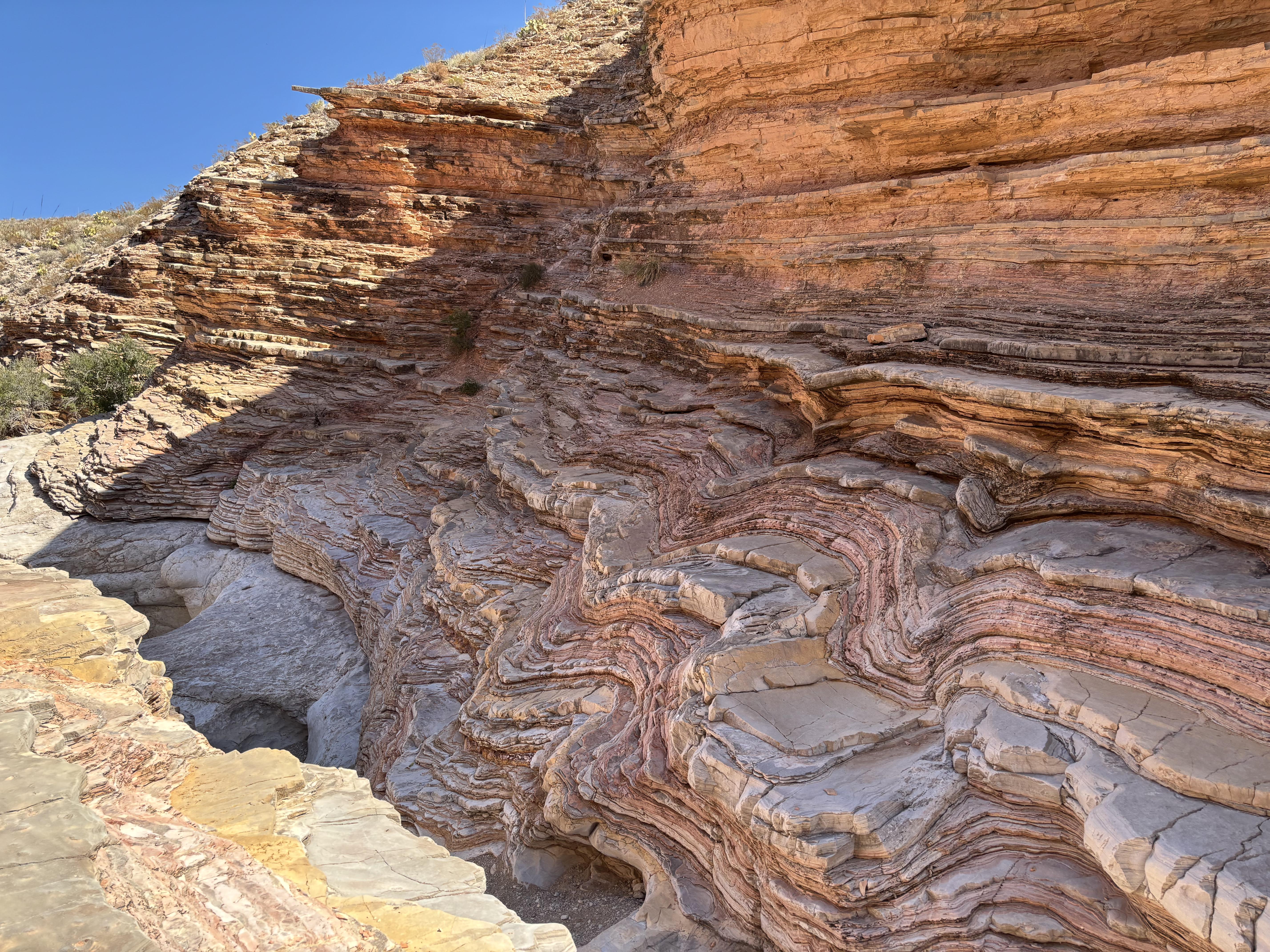
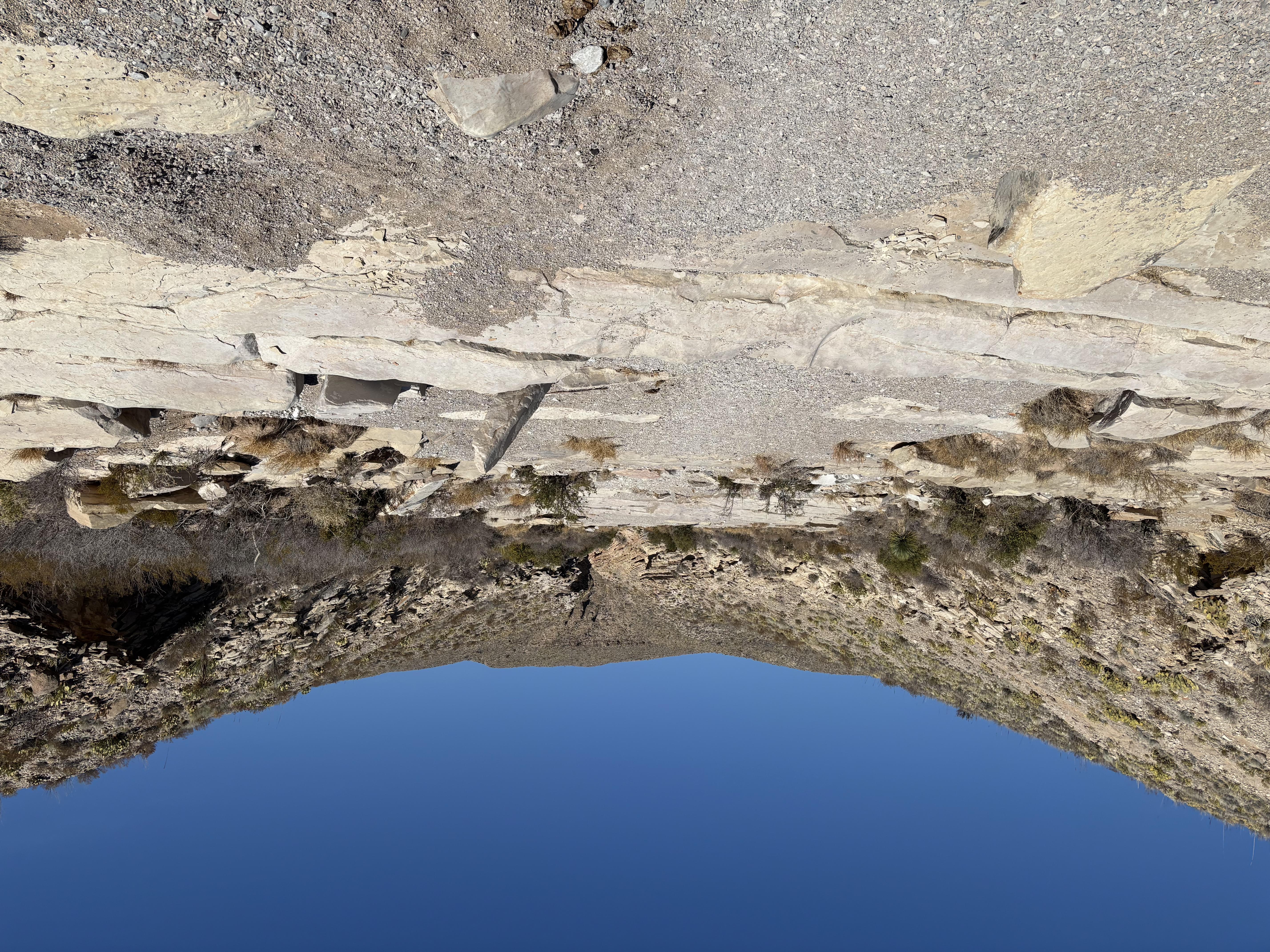
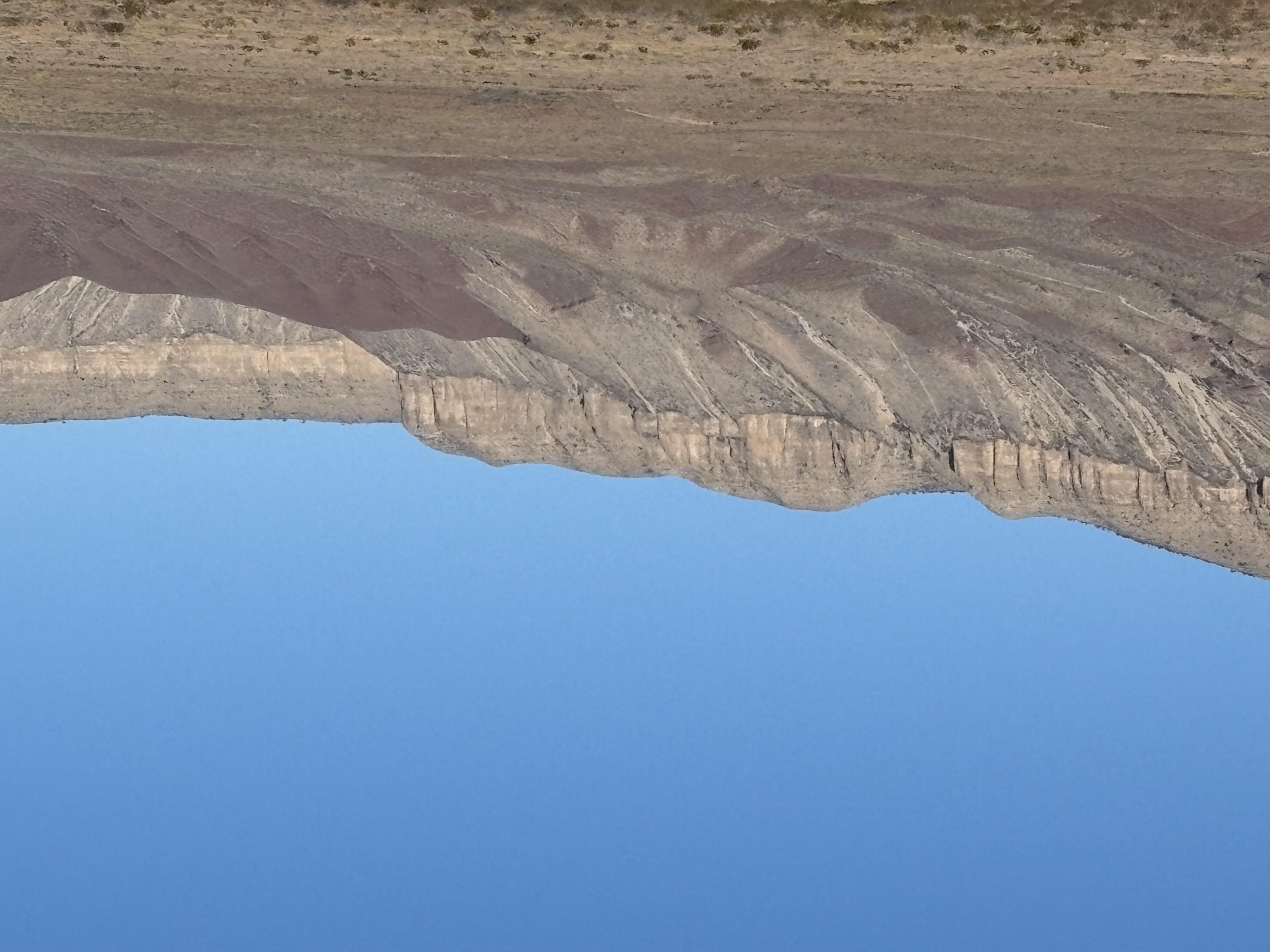
It did not take long past Valentine for the Boys to notice the immediate change in landscape and thermometer! Considering that the Boys went swimming in the Rio Grande the day before in the 85 degree afternoon heat was radically reduced back to Winter weather in the low 40's with a cold whipping wind outta of the north! After about a 2 hour drive they came up to the Guadalupe Mountain National Park - Pine Springs Visitor Center!
Getting Guadalupe Mountains National Park!
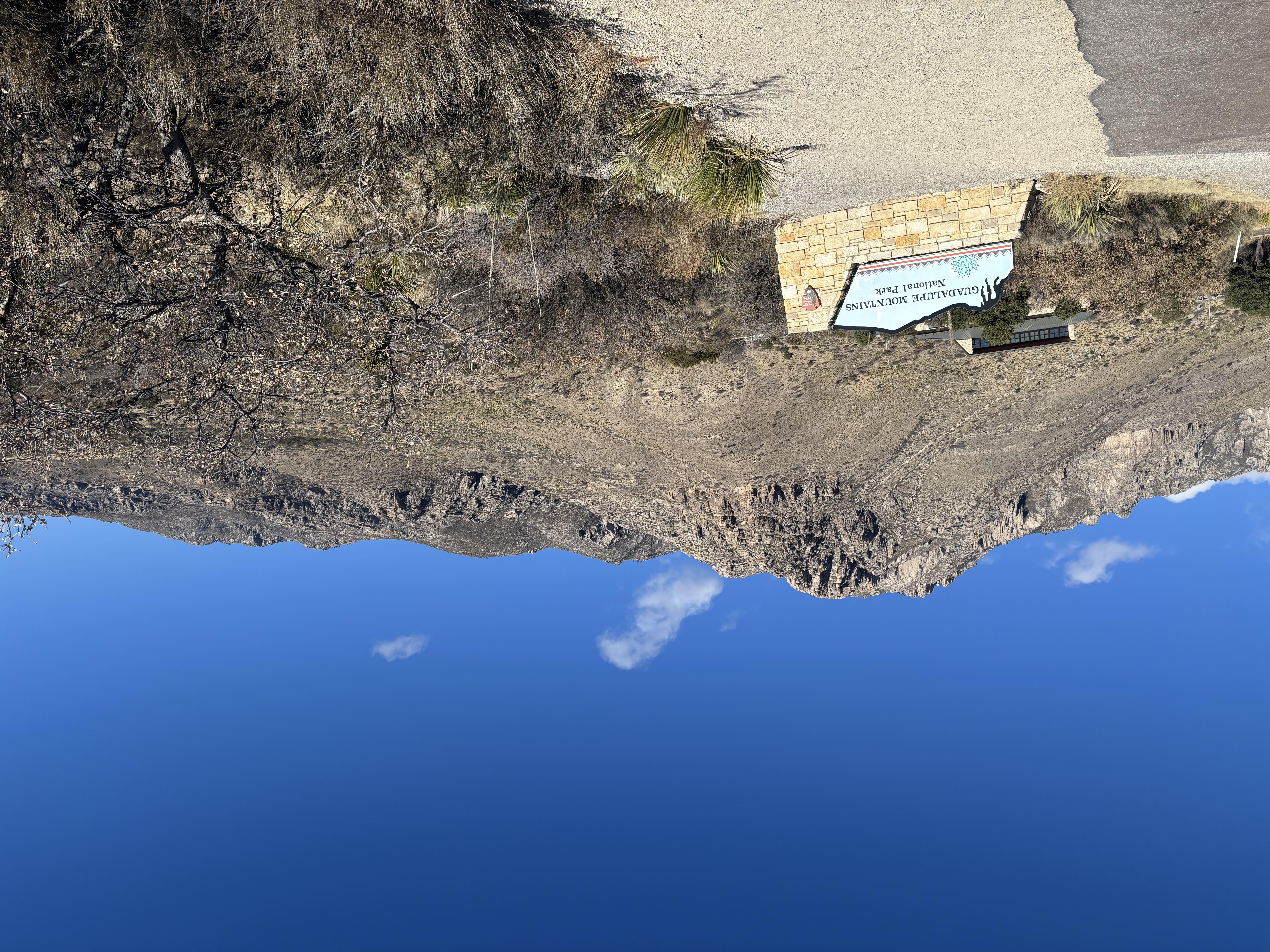
Guadalupe Mountains National Park is famous for its Guadalupe Mountains that rise more than 3,000 feet above the arid Chihuahuan Desert that surrounds them. El Capitan, the park’s most striking feature, is a 1,000-foot-high limestone cliff. Nearby Guadalupe Peak, 8,751 feet above sea level, is the highest point in Texas. It includes 86,416 acres in west Texas, just south of the New Mexico state line and north of U.S. Highway 62/180.
Mike, checking out Guadalupe Mountain!
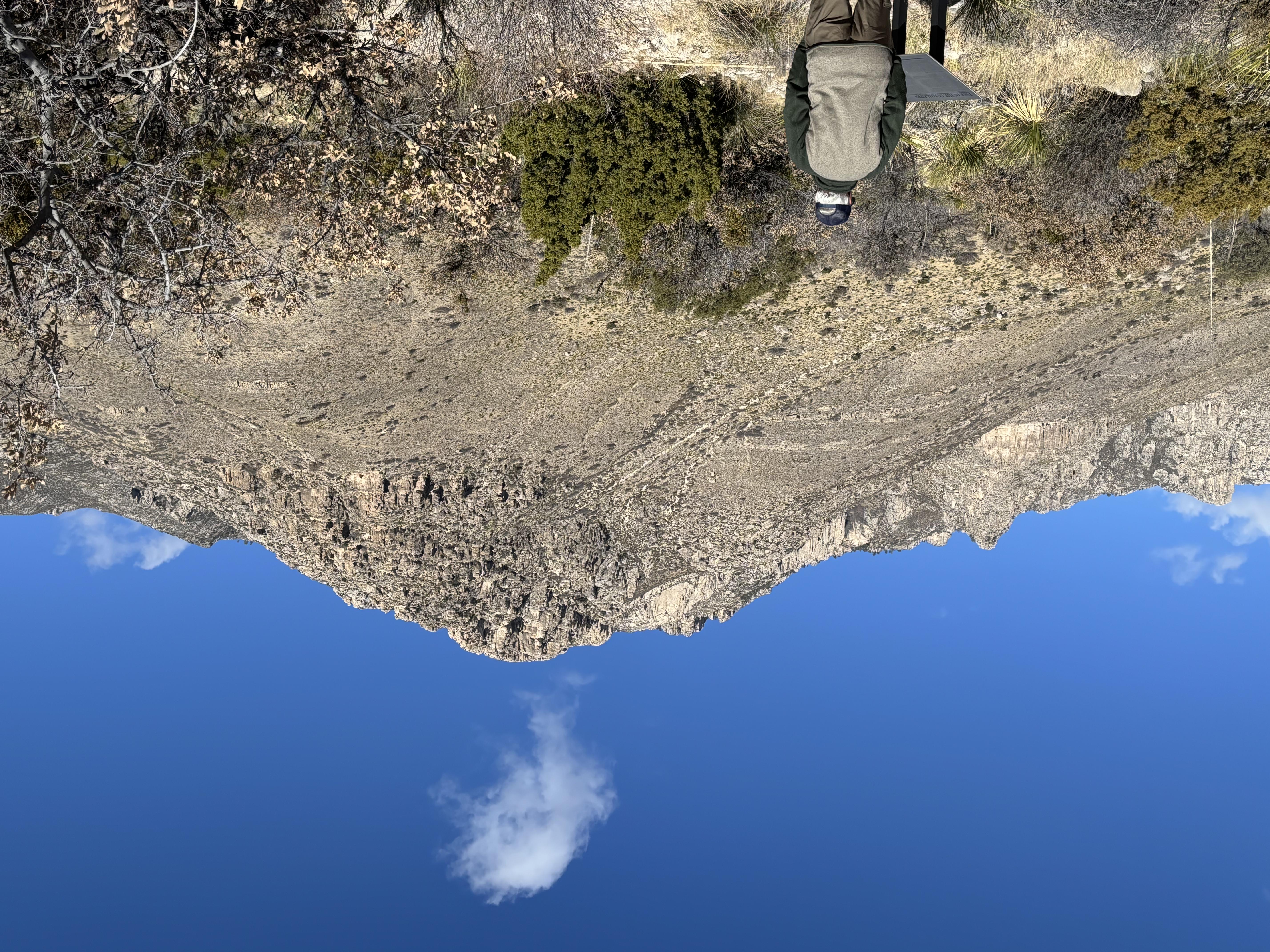
Created in 1966, Guadalupe Mountains National Park was authorized by an act of Congress to preserve “an area possessing outstanding geological values together with scenic and other natural values of great significance.” The park was formally established in 1972 with an area of 76,293 acres.
El Capitan Peeking out!
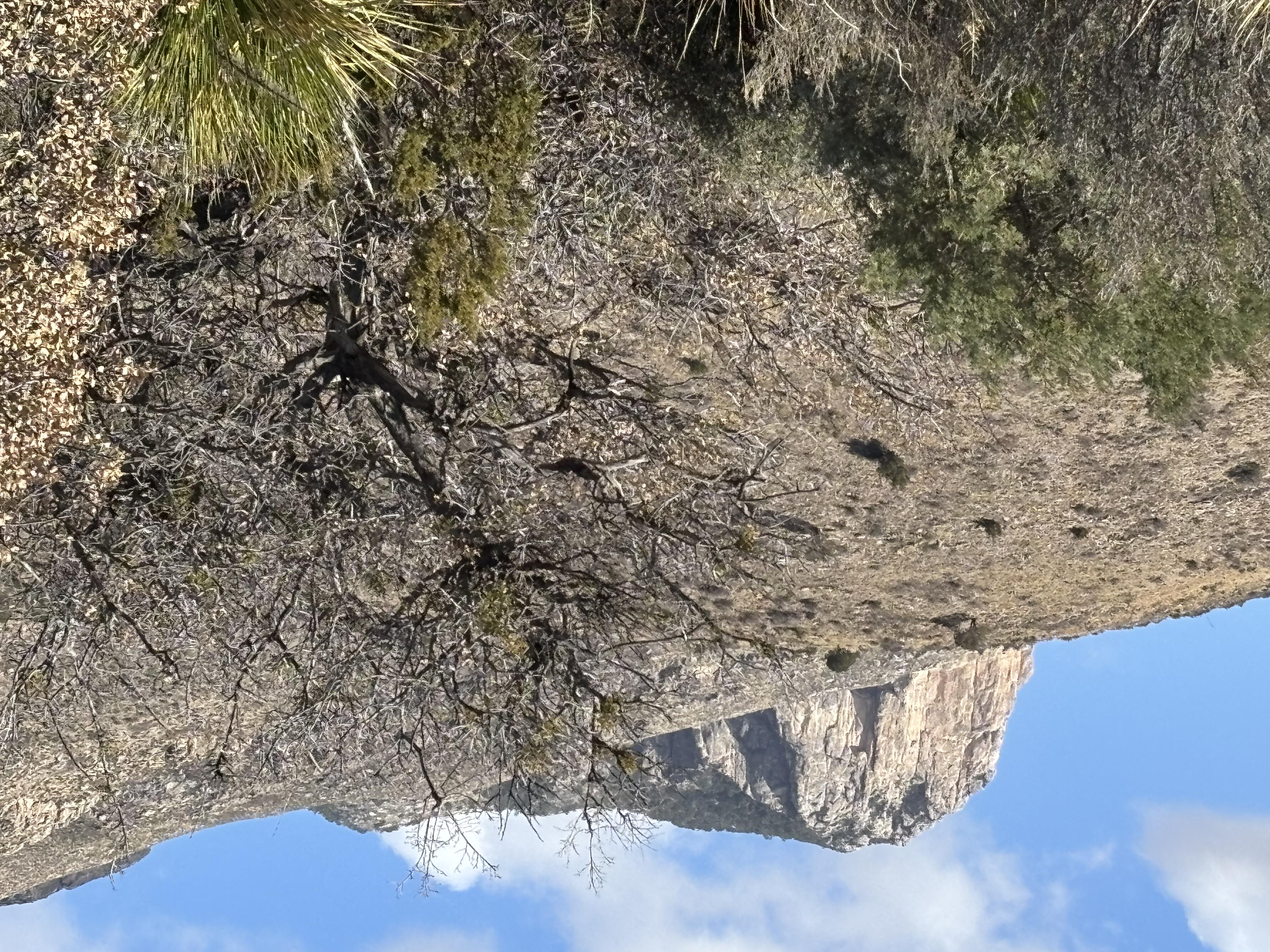
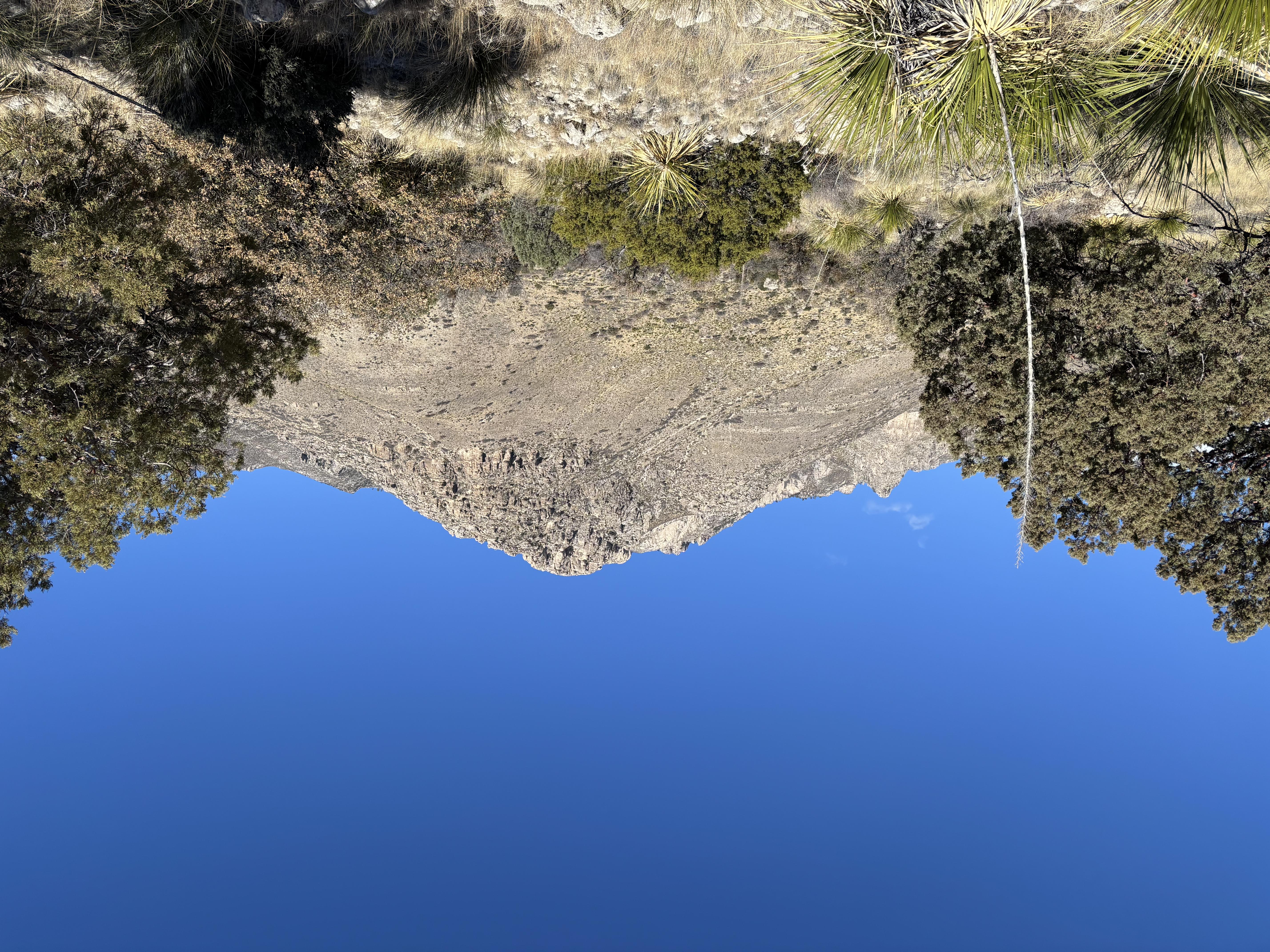
The cool feature of the park is that the Guadalupe Mountains are part of a mostly buried 400-mile-long U-shaped fossil reef complex, Capitan Reef, which extends through a large area of west Texas and southeastern New Mexico. The longest exposed stretch of Capitan Reef, 12 miles of which is in the park, extends from Guadalupe Mountains National Park northeast almost to the city of Carlsbad, New Mexico, a distance of almost 40 miles. This 260-million- to 270-million-year-old reef is one of the world’s finest examples of an ancient reef system. After a quick visit of the Park Office Museum, the Boys hit a local trail to check out the Park! One of the first things they discovered was that an early version of the Pony Express!
El Capitan Peeking out!
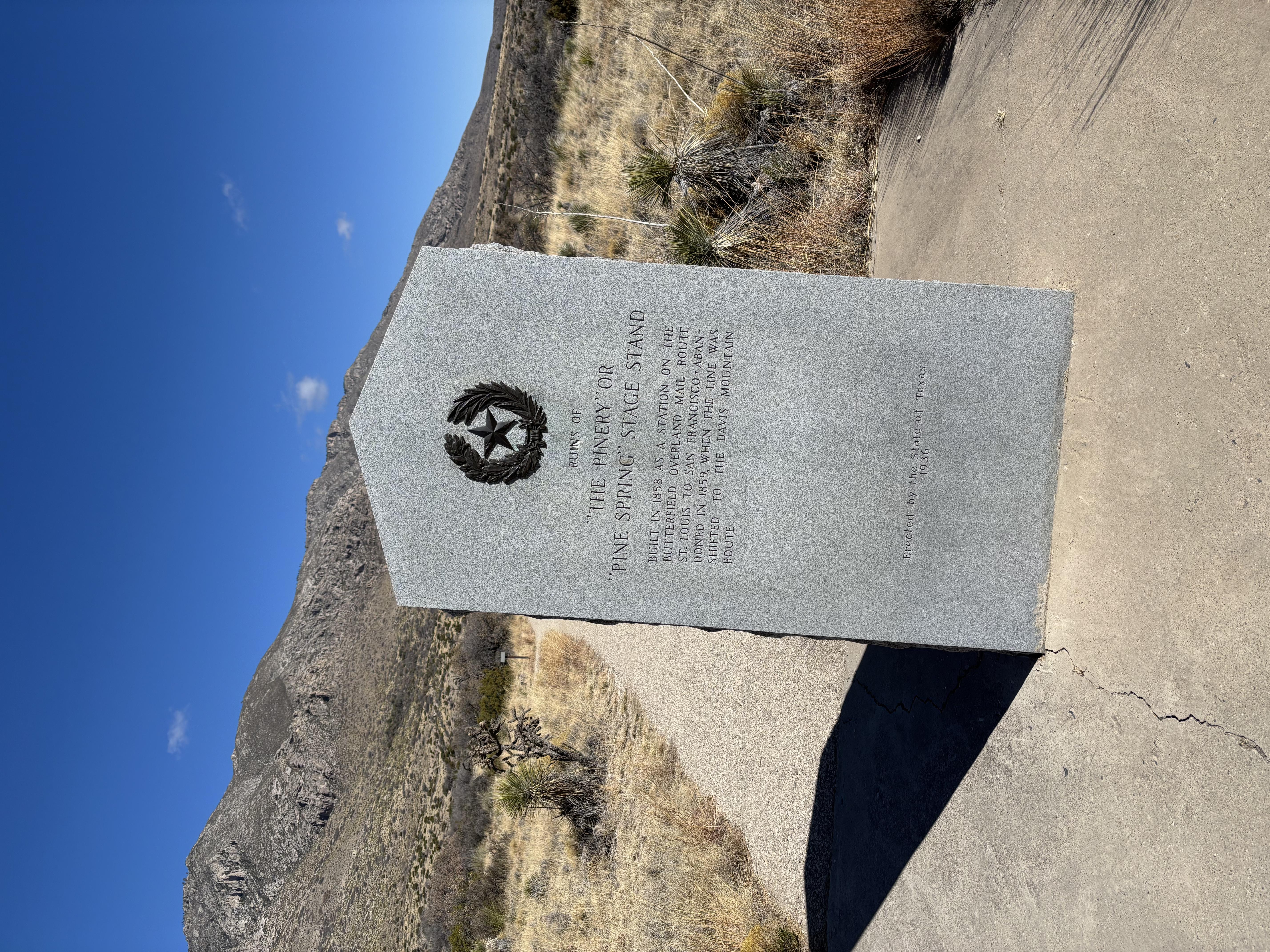
Texas and southeastern New Mexico. The longest exposed stretch of Capitan Reef, 12 miles of which is in the park, extends from Guadalupe Mountains National Park northeast almost to the city of Carlsbad, New Mexico, a distance of almost 40 miles. This 260-million- to 270-million-year-old reef is one of the world’s finest examples of an ancient reef system. After a quick visit of the Park Office Museum, the Boys hit a local trail to check out the Park! One of the first things they discovered was that an early version of the Pony Express! Butterfield Overland Mail was a stagecoach service in the United States operating from 1858 to 1861. It carried passengers and U.S. Mail from two eastern termini, Memphis, Tennessee, and St. Louis, Missouri, to San Francisco, California. The routes from each eastern terminus met at Fort Smith, Arkansas, and then continued through Indian Territory (Oklahoma), Texas, New Mexico, Arizona, Mexico, and California ending in San Francisco. On March 3, 1857, Congress authorized the U.S. postmaster general, at that time Aaron V. Brown, to contract for delivery of the U.S. mail from St. Louis to San Francisco. Prior to this, U.S. Mail bound for the Far West had been delivered by the San Antonio–San Diego Mail Line since June 1857. The route was designated a national historic trail in 2023.
Toasting Butterfield!
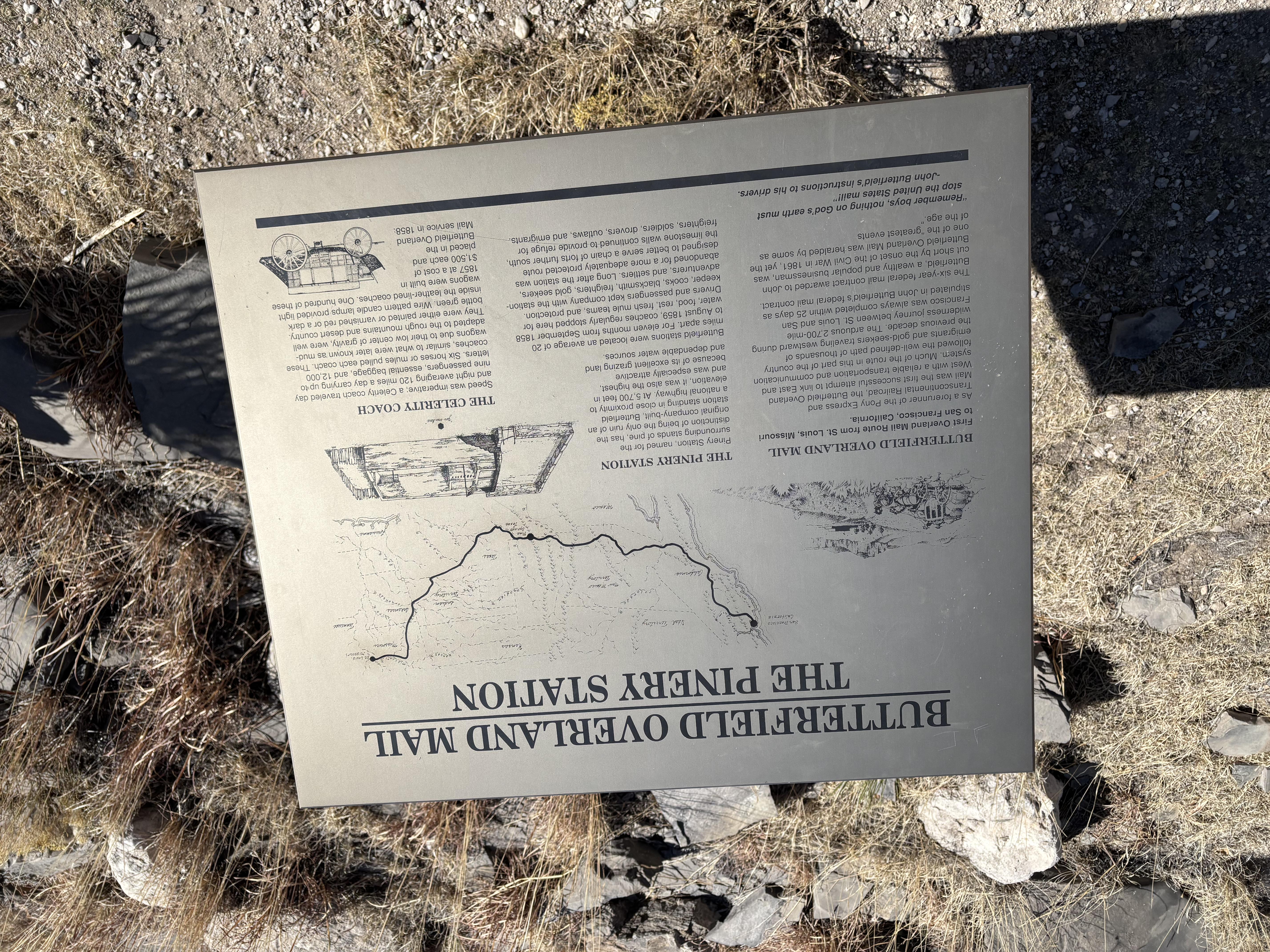
The Butterfield Overland Mail was a stagecoach service in the United States operating from 1858 to 1861. It carried passengers and U.S. Mail from two eastern termini, Memphis, Tennessee, and St. Louis, Missouri, to San Francisco, California. The routes from each eastern terminus met at Fort Smith, Arkansas, and then continued through Indian Territory (Oklahoma), Texas, New Mexico, Arizona, Mexico, and California ending in San Francisco. On March 3, 1857, Congress authorized the U.S. postmaster general, at that time Aaron V. Brown, to contract for delivery of the U.S. mail from St. Louis to San Francisco. Prior to this, U.S. Mail bound for the Far West had been delivered by the San Antonio–San Diego Mail Line since June 1857. The route was designated a national historic trail in 2023.
Checking out the ruins of the Pinery Butterfield Stage Station
Heading up the trail from the Pine Springs Visitor Center, Mike and Bone visited the ruins of the Pinery Station and got a sense of the isolation and rugged beauty that the stage riders and Mescalero Apaches experienced here back in 1858. This is includes the ruins of the old stone walls of the Stage Station, that stand today as a testament to the spirit of change that early travelers, station keepers, and stage drivers carried as they passed this way over a century and a half ago!
The Magnificent Desolation of the Butterfield Trail in the Guadaloupe Mountains!
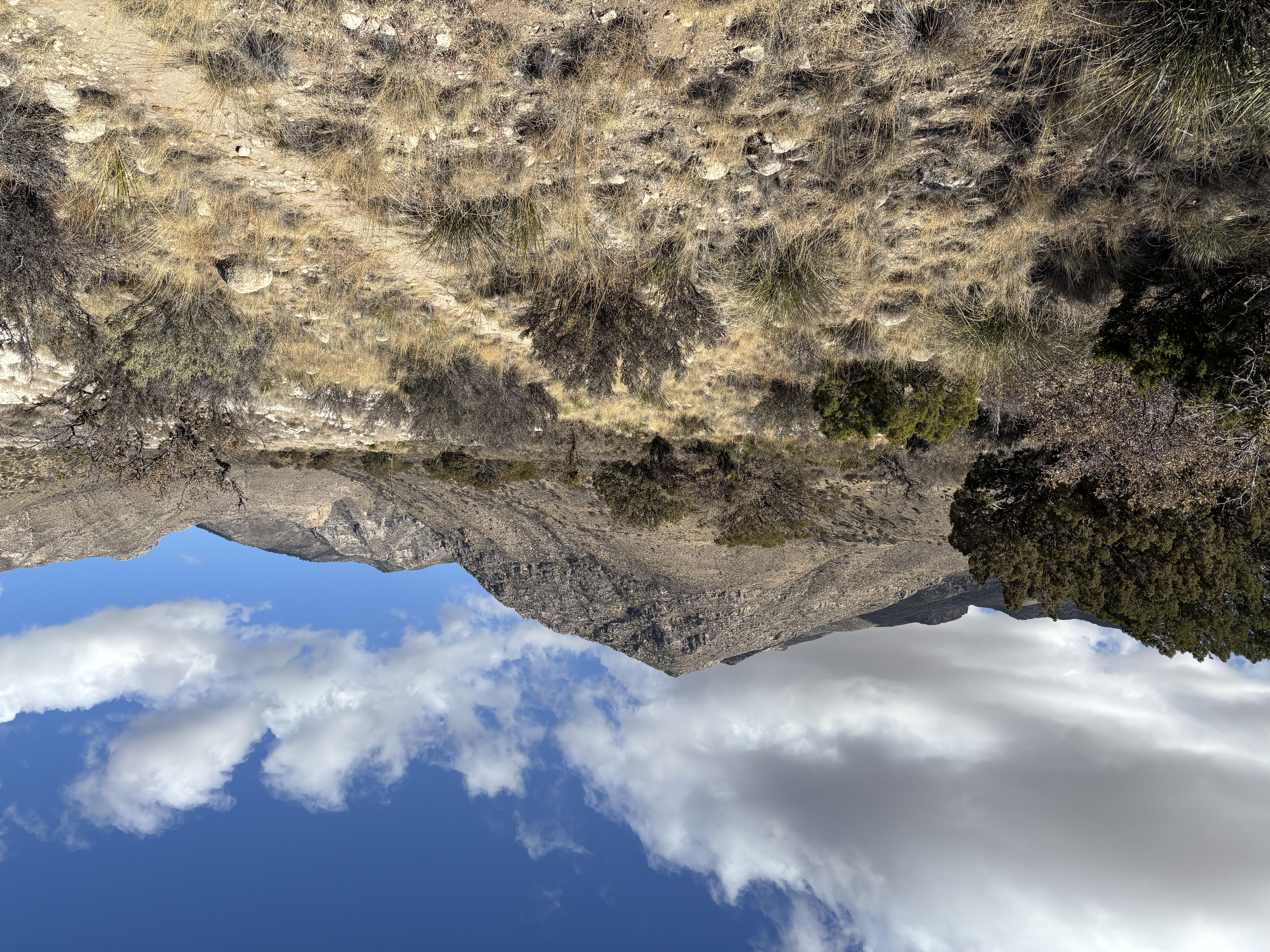
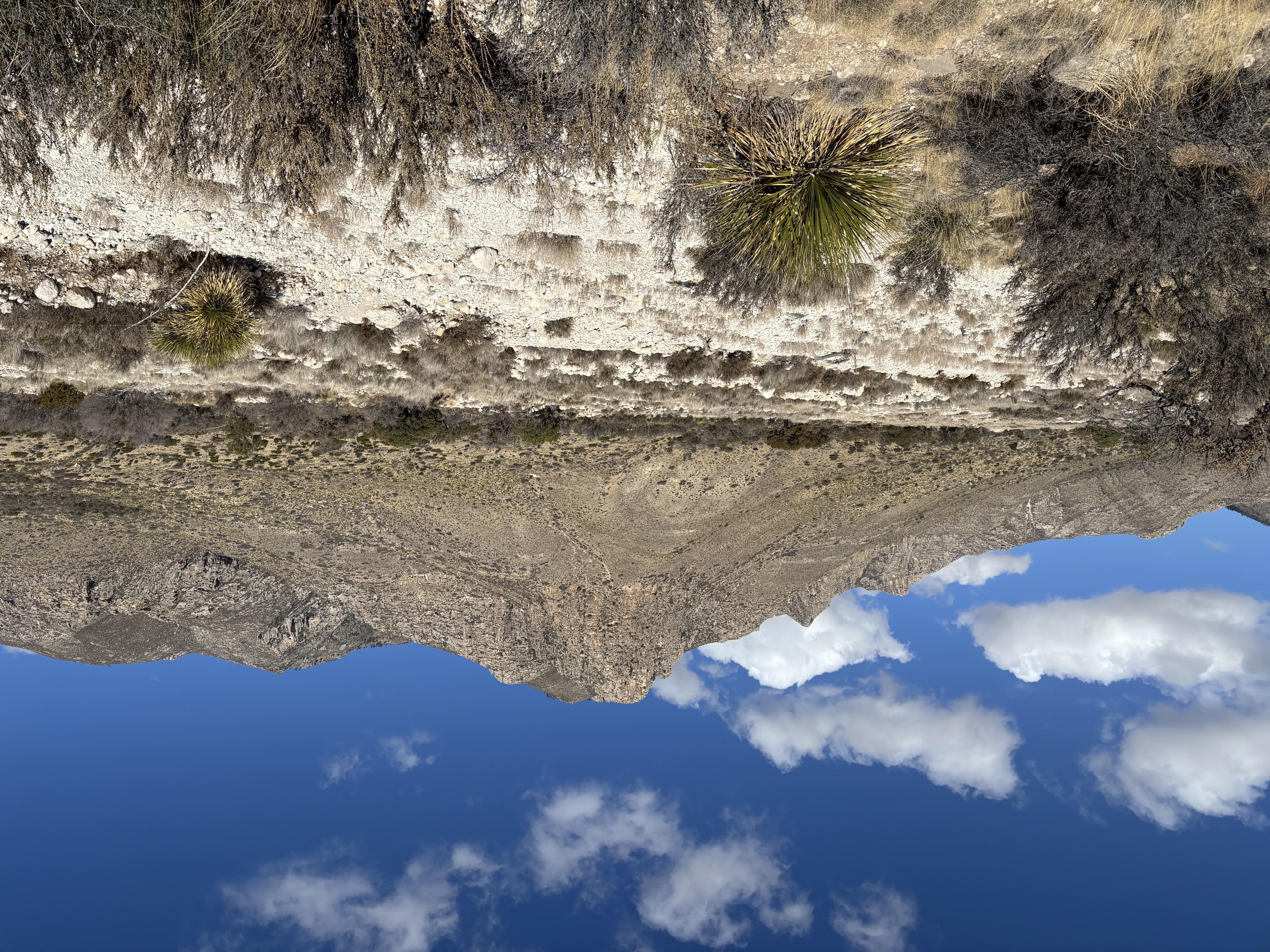
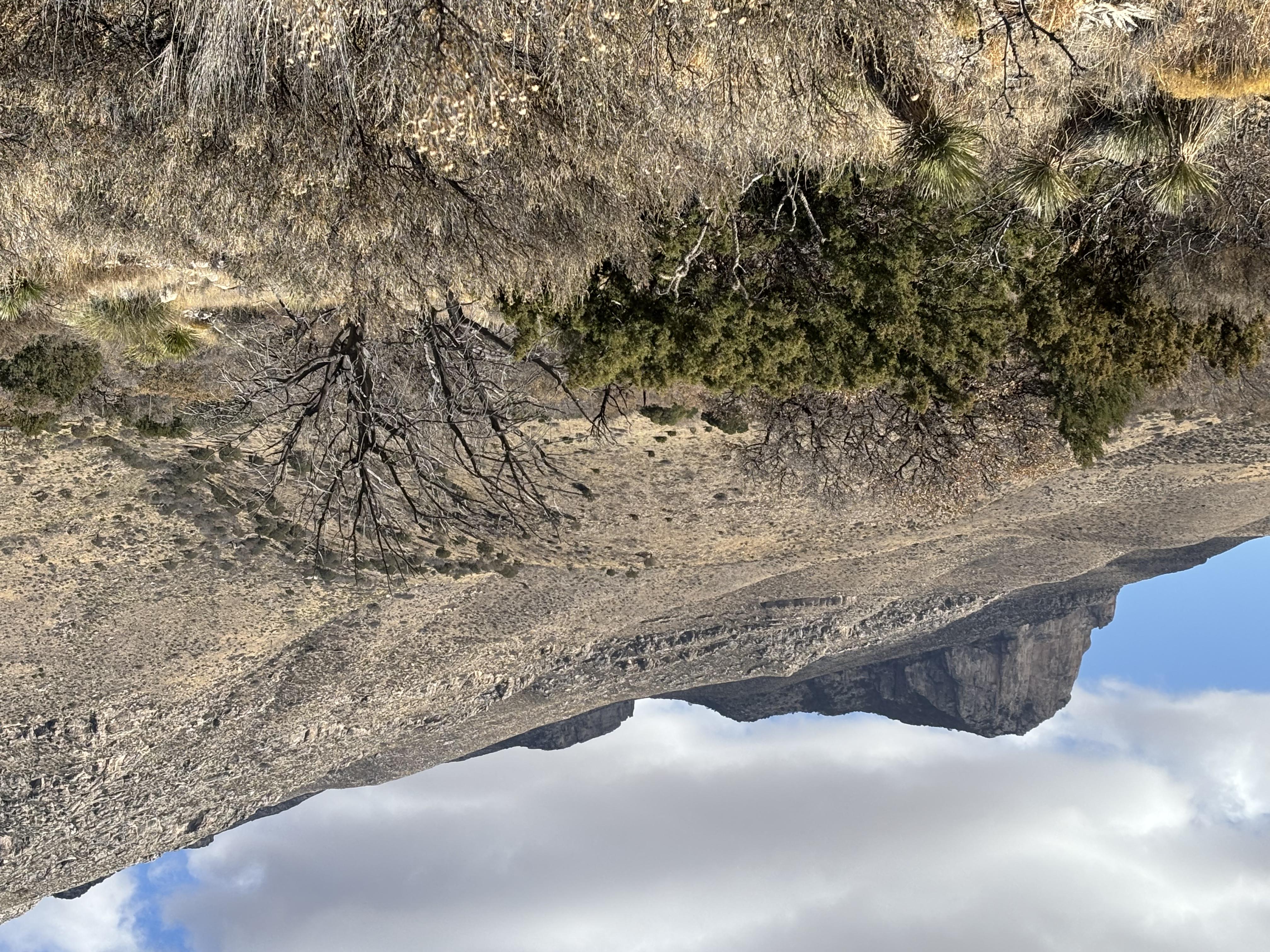
The Boys hiked another half mile, checking out the rugged, rugged scenery, when the cold whipping wind convinced them to turn back and move on!
Mike and Bone clearly didn't know beans about the Frijole Ranch !!!
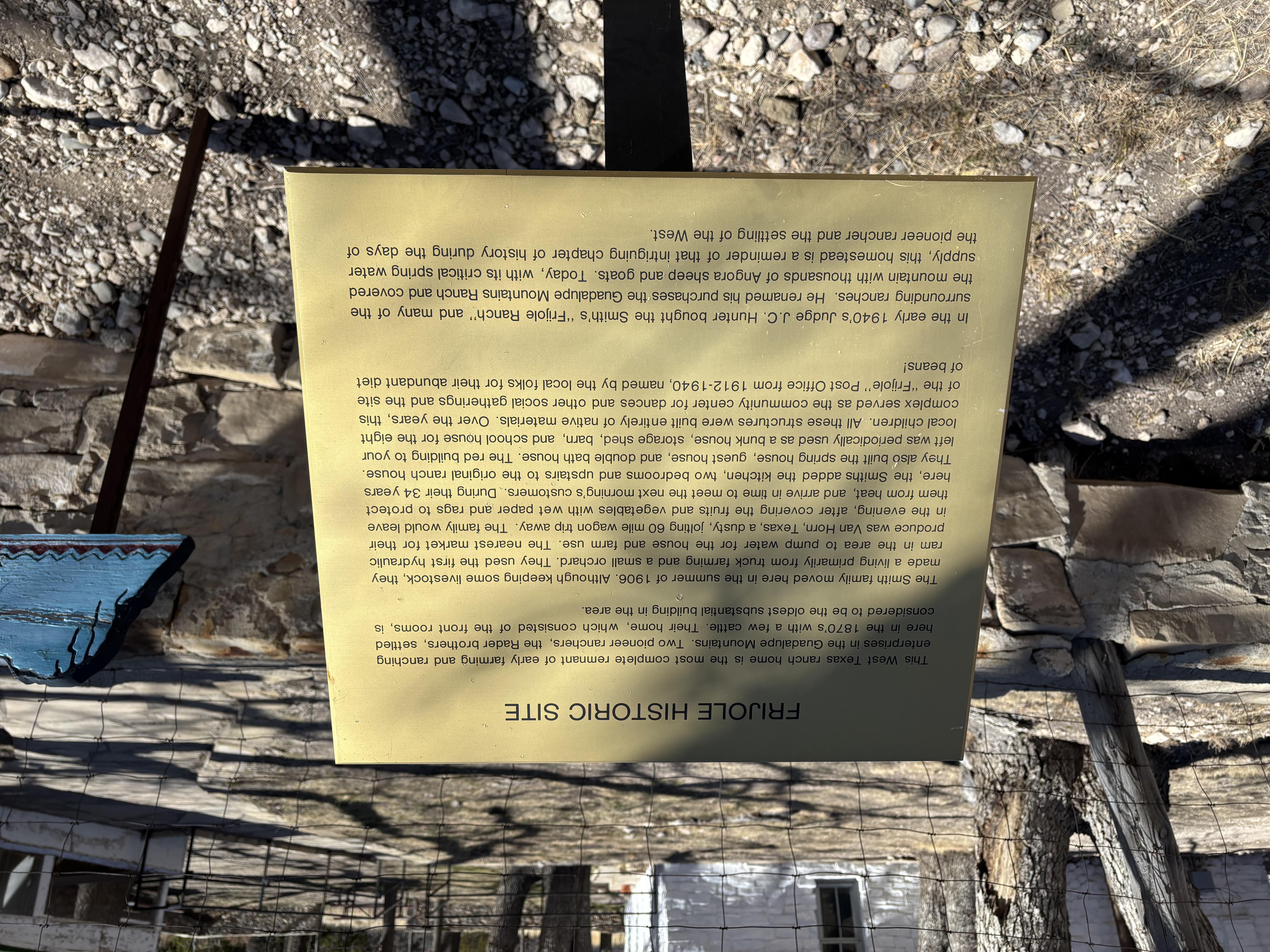
A little further down the road, Mike and Bone came upon the Frijole Ranch, which is listed on the National Register of Historic Places, and represents a significant period in the settlement and ranching of the Guadalupe Mountains.
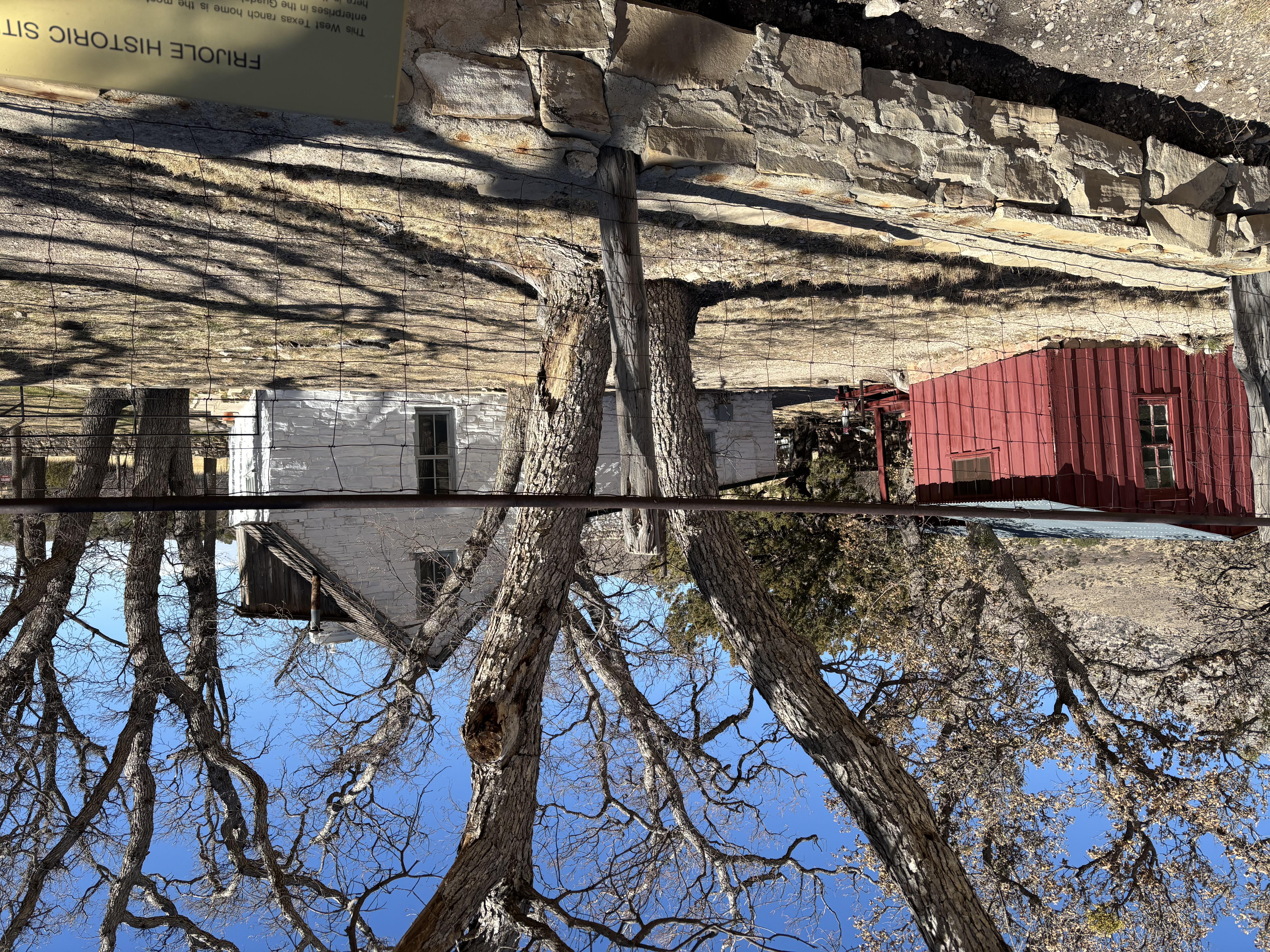
Walking up to the site, the Boys read that the ranch was built about 1876 by the Rader Brothers in the Guadalupe Mountains next to Frijole Spring and comprises seven buildings: the ranch house, a bunkhouse, a barn, a double outhouse, a springhouse, a shed, and a school house. With the exception of the barn and school house, the buildings are constructed of local stone rubble, and all buildings are surrounded by a stone rubble wall. The complex represents the most complete early ranching operation in the Guadalupe Mountains. The ranch was built in close proximity to several other springs, whose surrounding area was inhabited by Native Americans from prehistory.
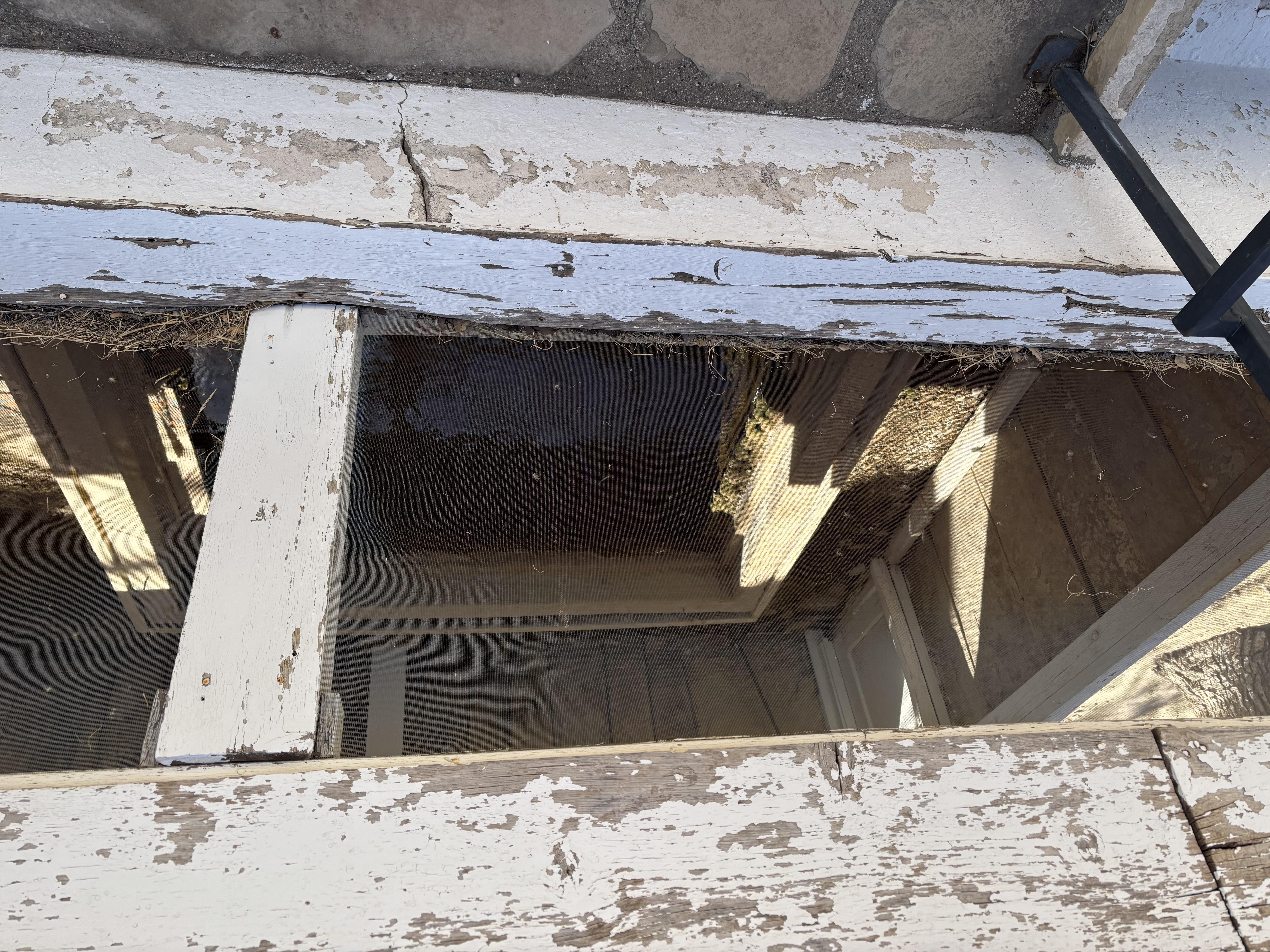
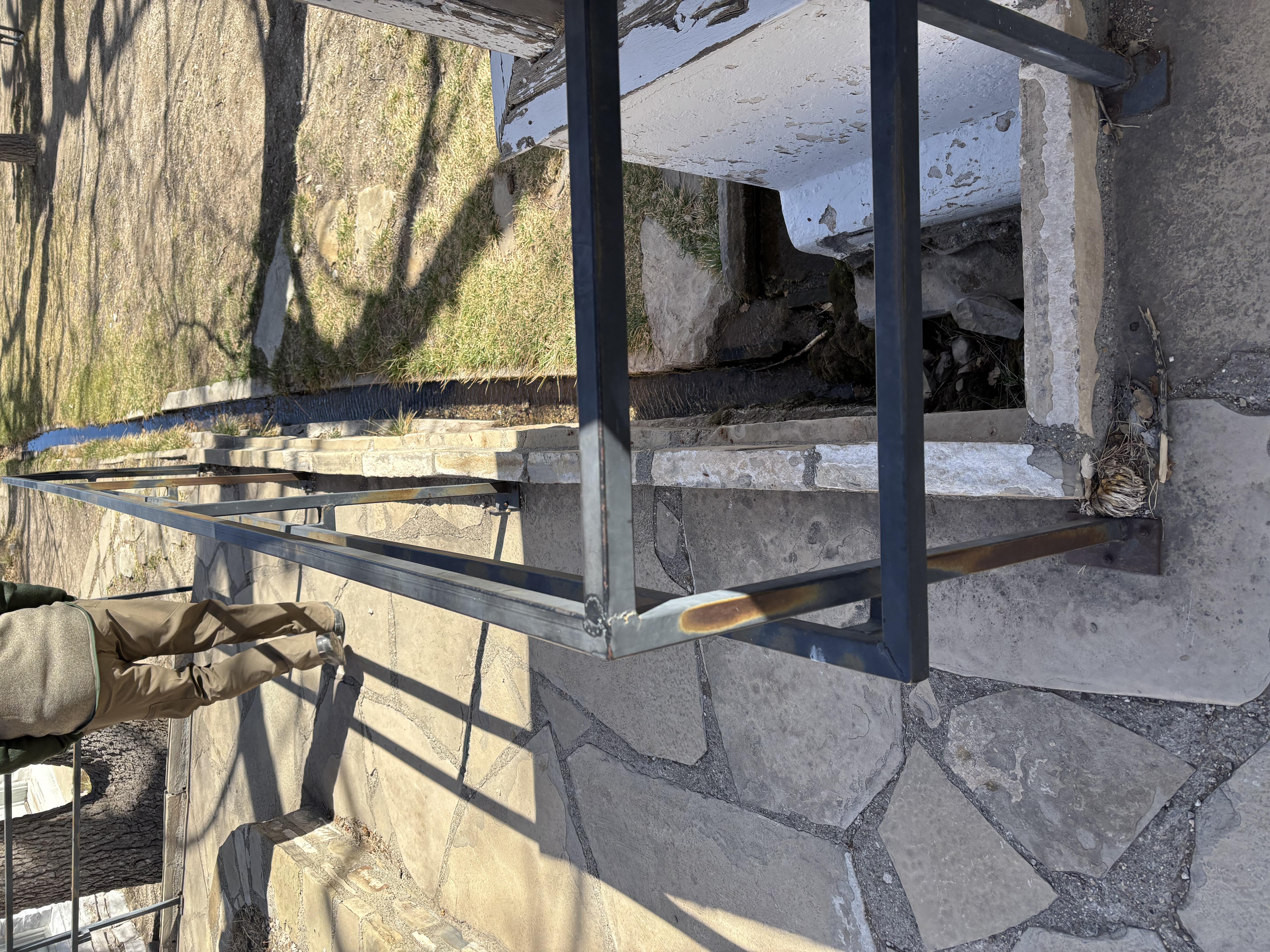
The Rader brothers, the first settlers on the southeast side of the mountains, left the area in the late 1880s. The Herring family of North Carolina occupied the ranch for a time between the late 1880s and 1895, with Herring daughter Ida marrying George W. Wolcott in 1888. The Wolcotts moved to Midland, Texas in 1895. The Smith family occupied the previously vacant ranch from 1906, calling it "Spring Hill Ranch." The Smiths expanded the ranch and operated a truck farm, expanding the farm house and building the bunkhouse and school house. They invested in a hydraulic ram to pump water and installed a carbide lamp system in the house, later changing to electric lights operated by a wind generator. The Smiths operated a post office at the site from 1916 to 1942.
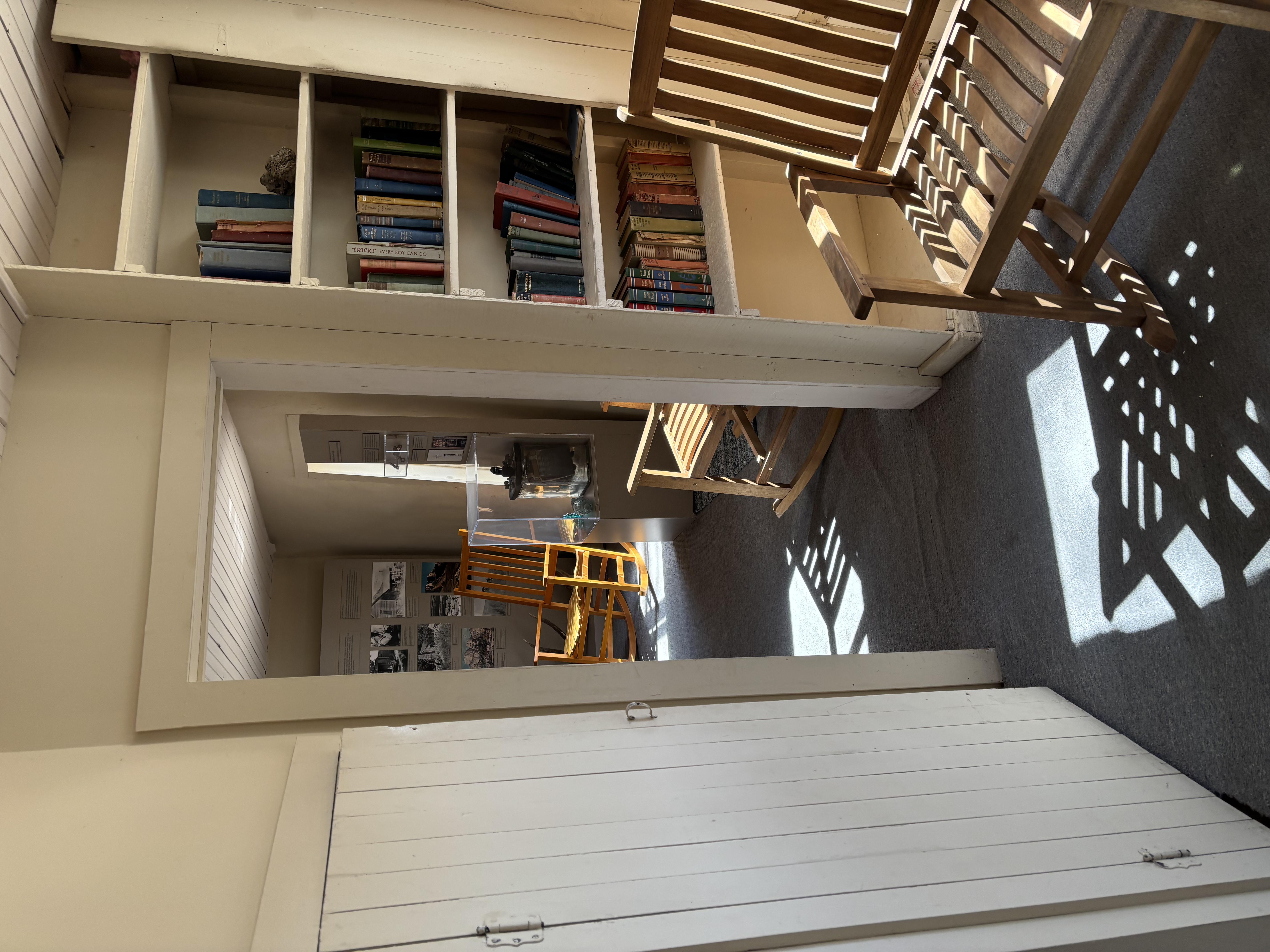
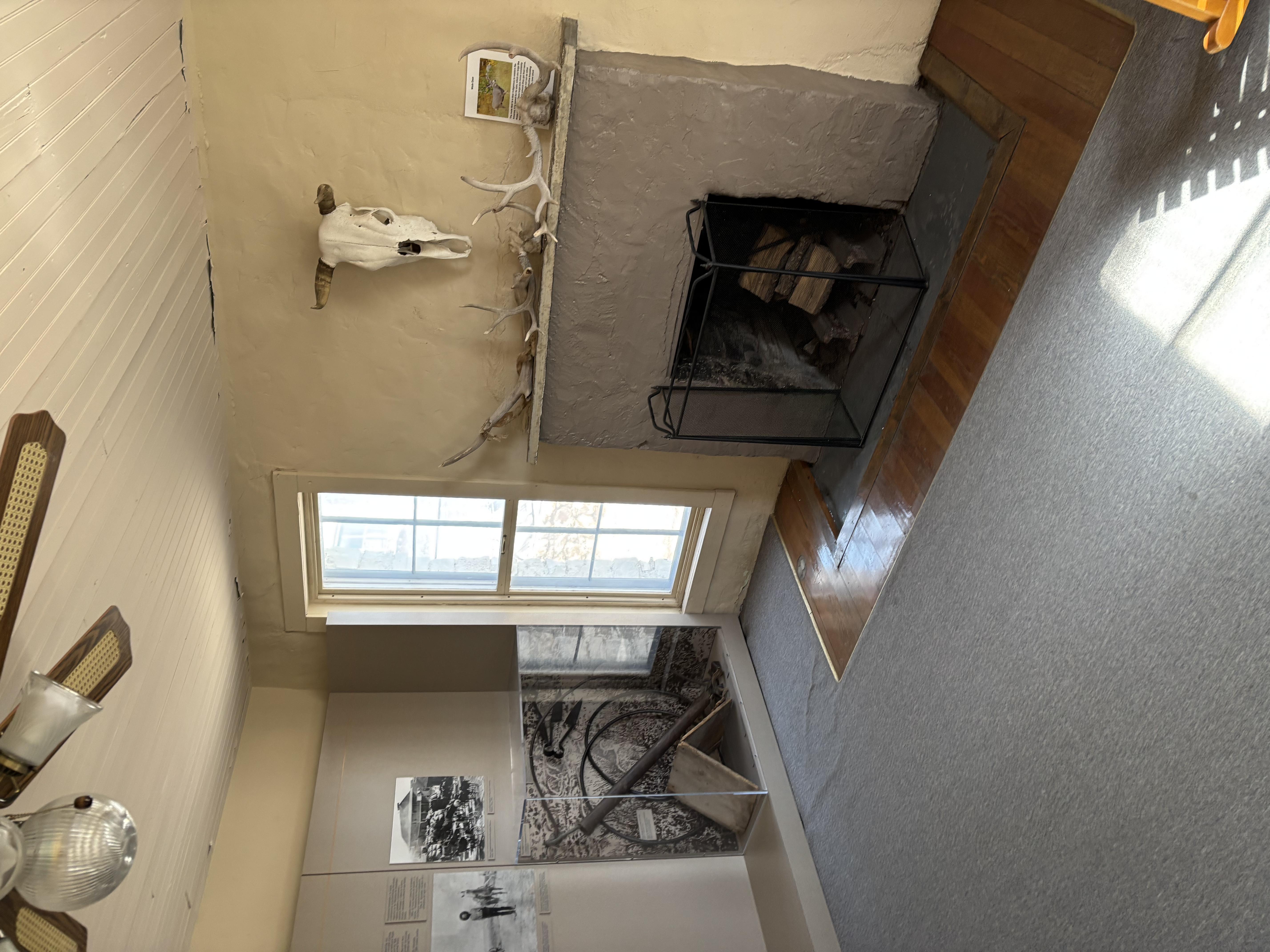
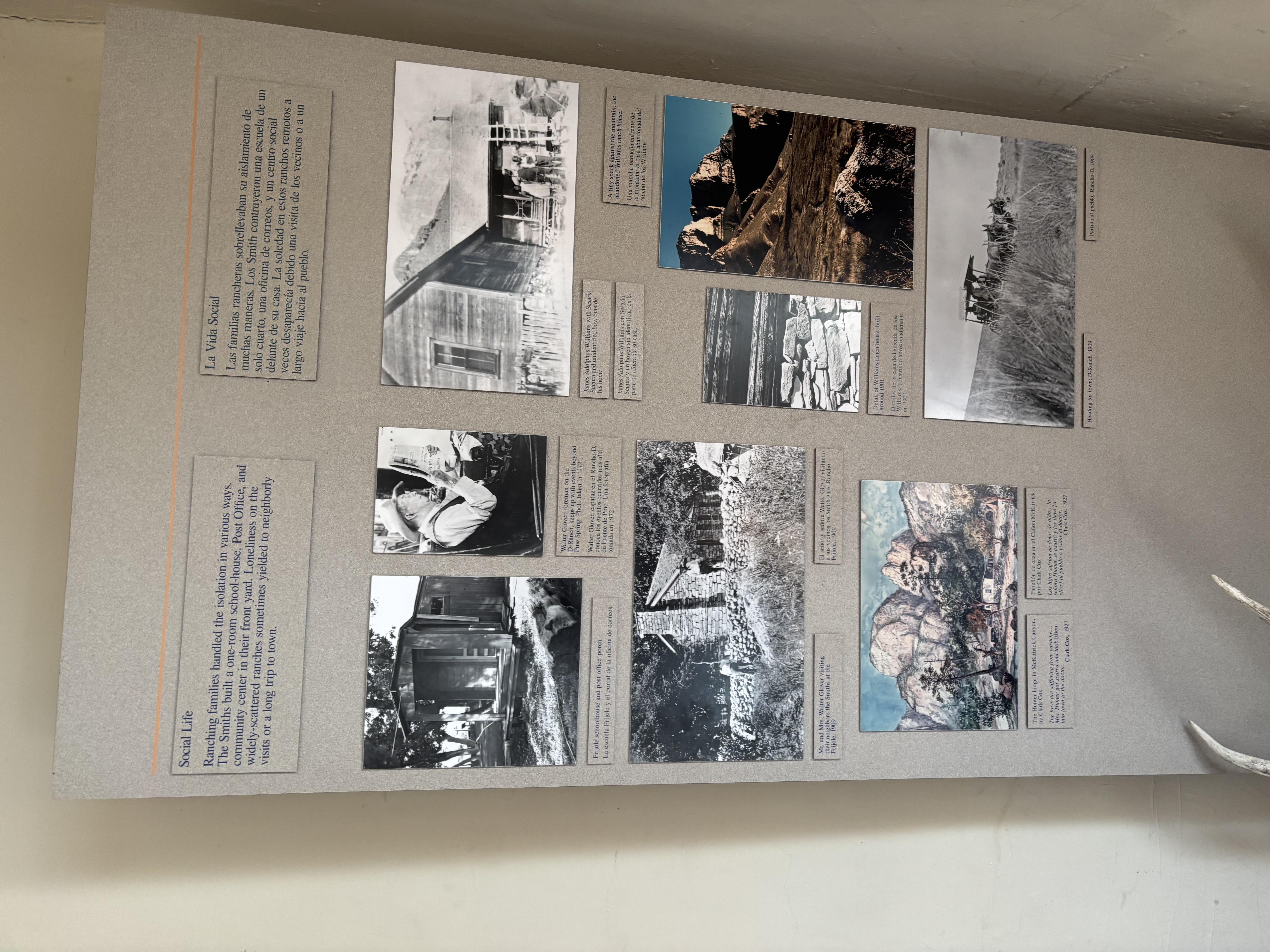
They then learned in the history of the house that John Smith sold the ranch to Judge Jesse Coleman Hunter of Van Horn, Texas for $55,000 in 1942 and moved to Hawley, Texas. Hunter assembled the "Guadalupe Mountains Ranch" of 43,000 acres, producing, among other things, mohair wool. The ranch house was the home of ranch foreman Noel Kincaid from 1942 to 1969. Hunter began to advocate the region for a national park in 1925. Hunter's son, J.C. Junior, inherited the ranch in 1945 and continued his father's work, expanding the ranch to 67,213 acres, eventually selling the land to the National Park Service in 1966 for $1.5 million.
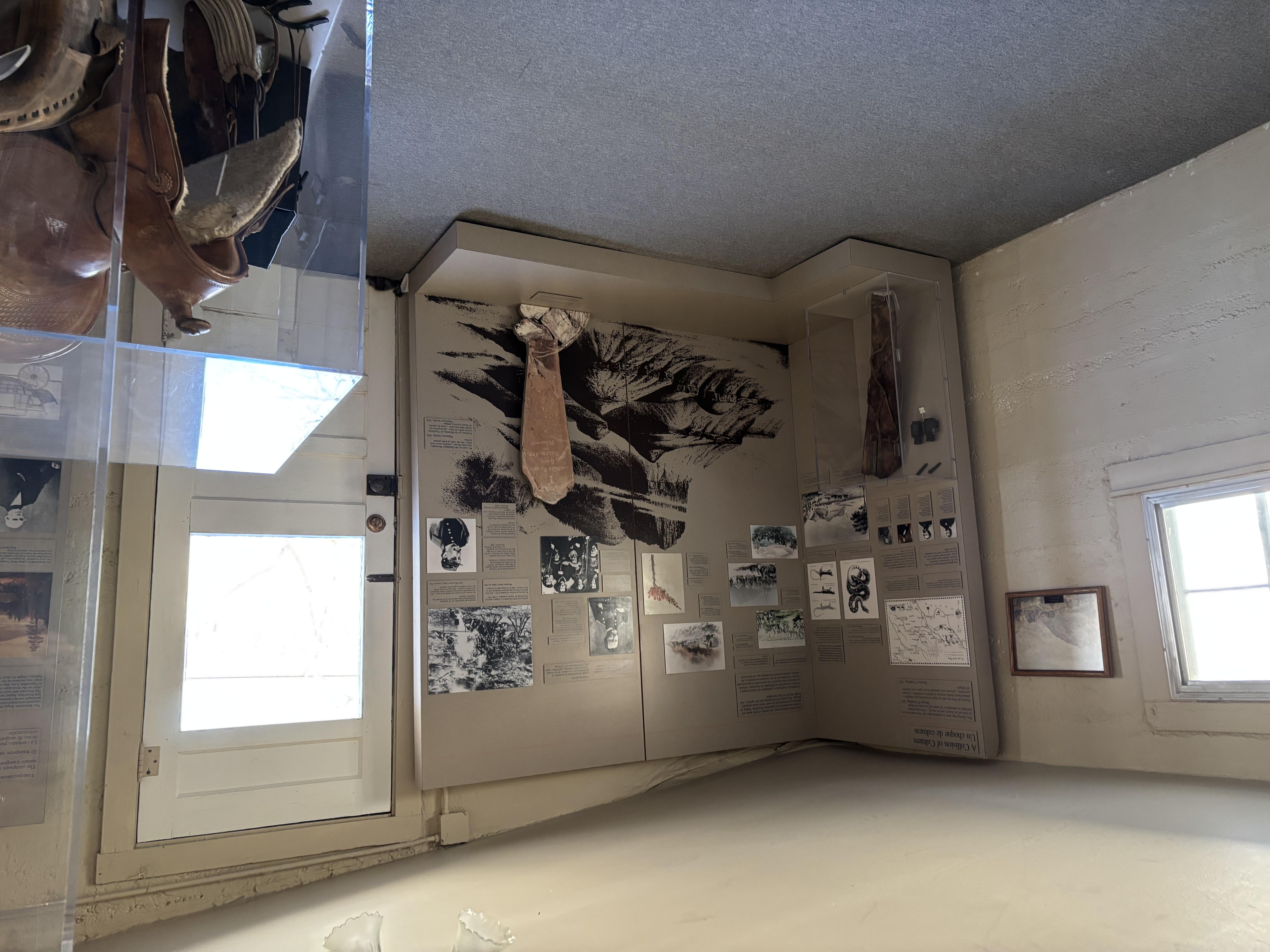
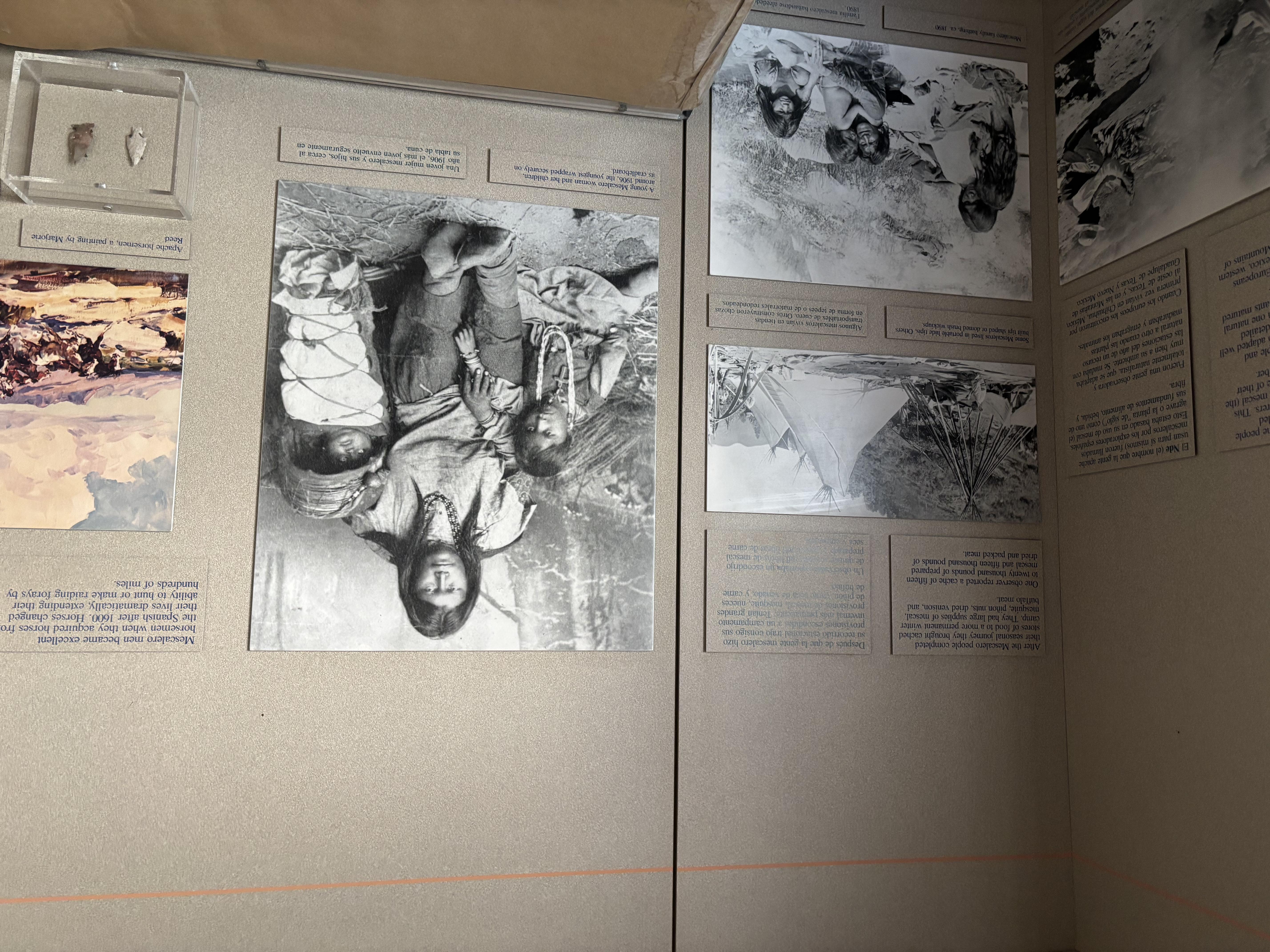
The ranch buildings were then used by the National Park Service as employee residence and utility buildings from 1969 to 1980. From 1983 to 1991 the house was a Park Service operations center. The house was restored in 1992 and is an interpretive center and museum, known as the Frijole Ranch Cultural Museum.
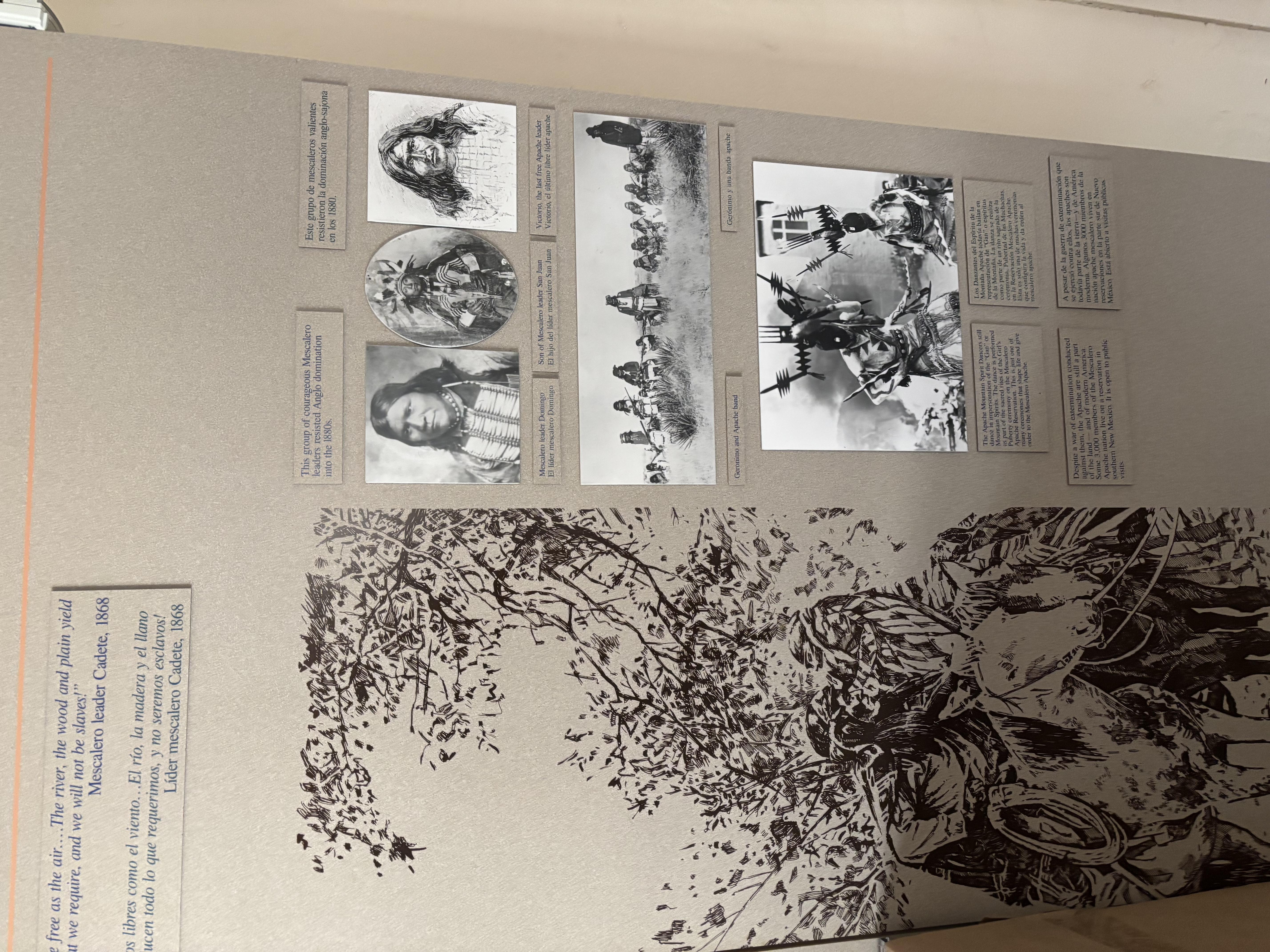
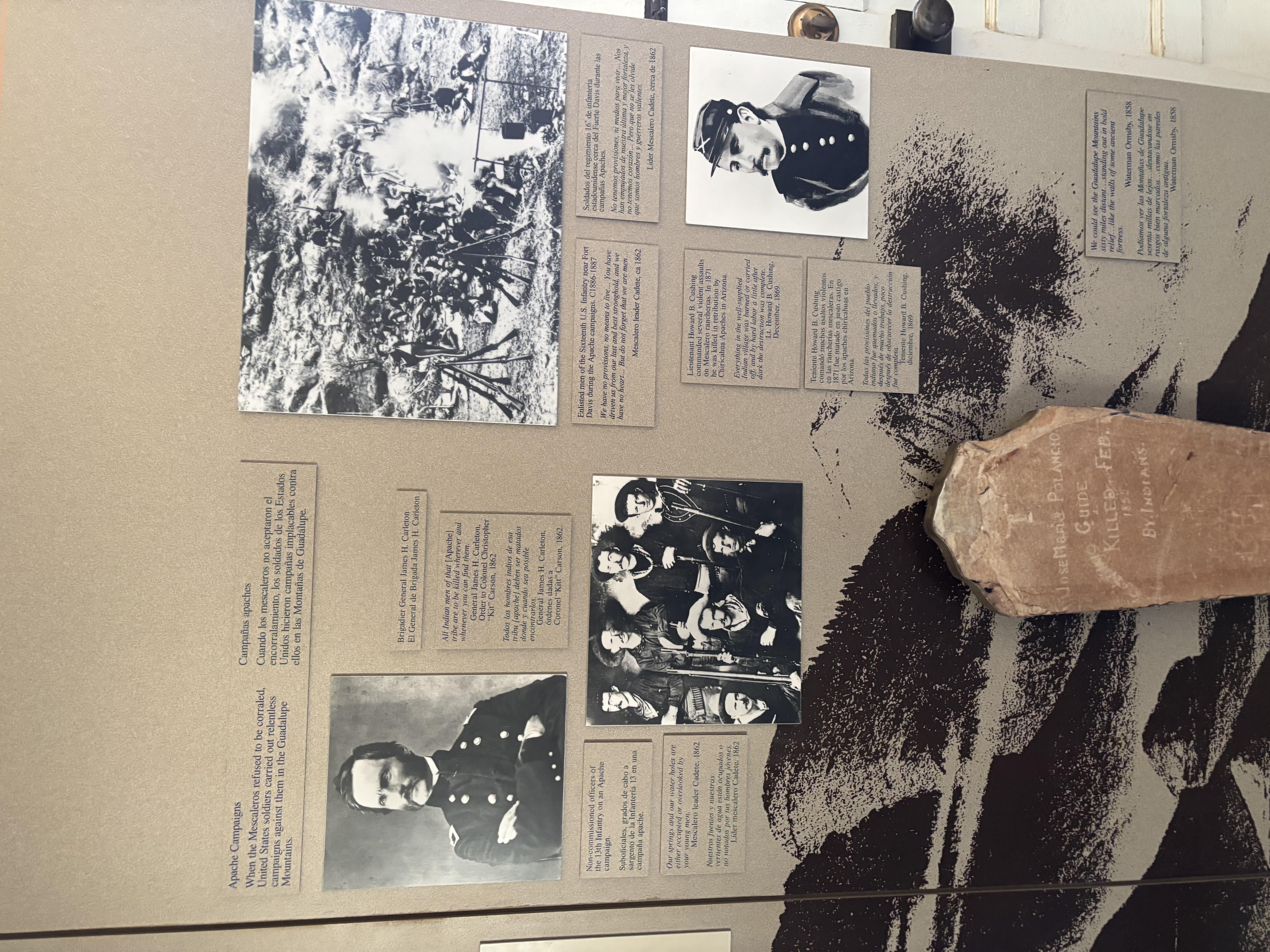
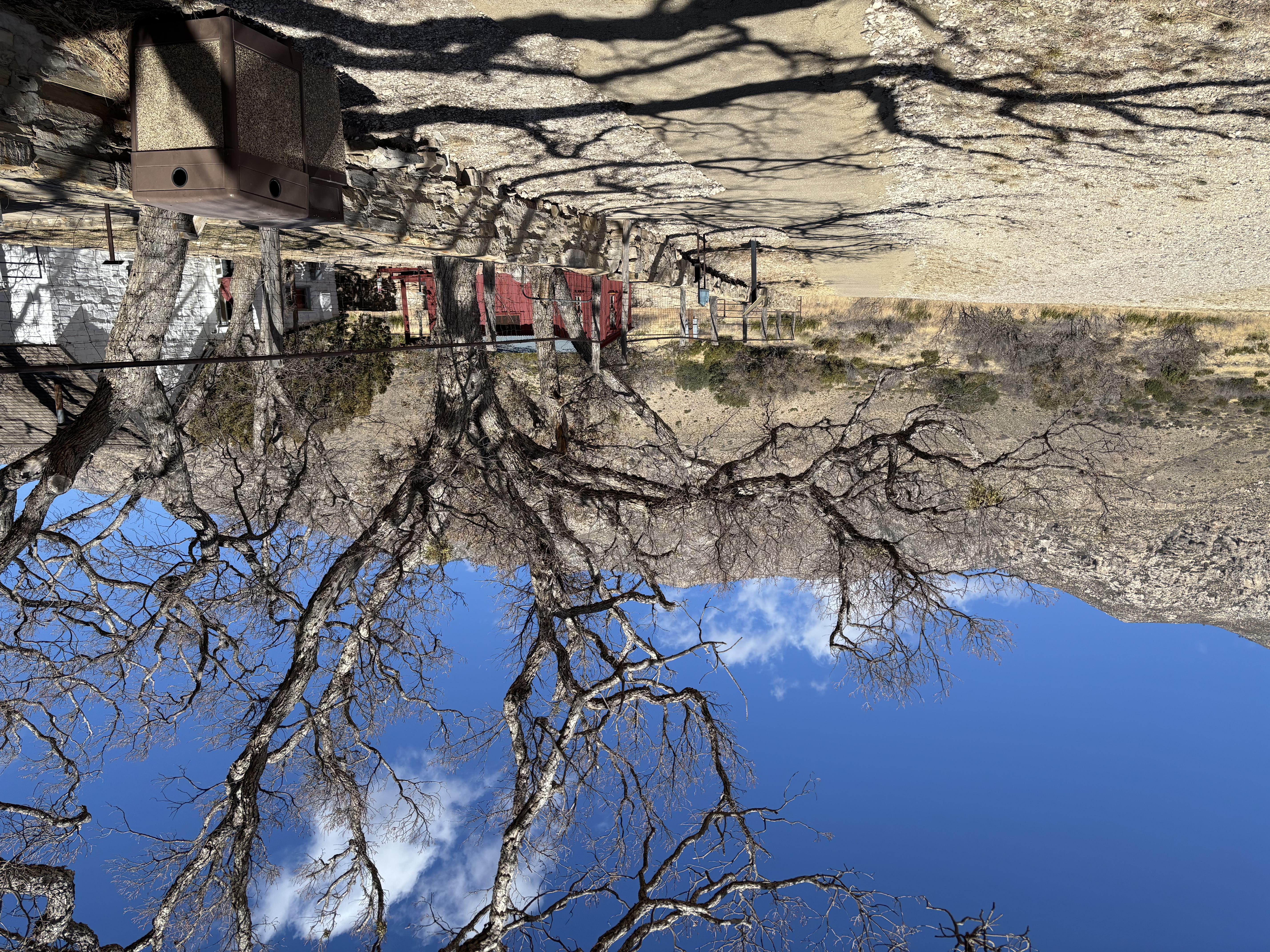
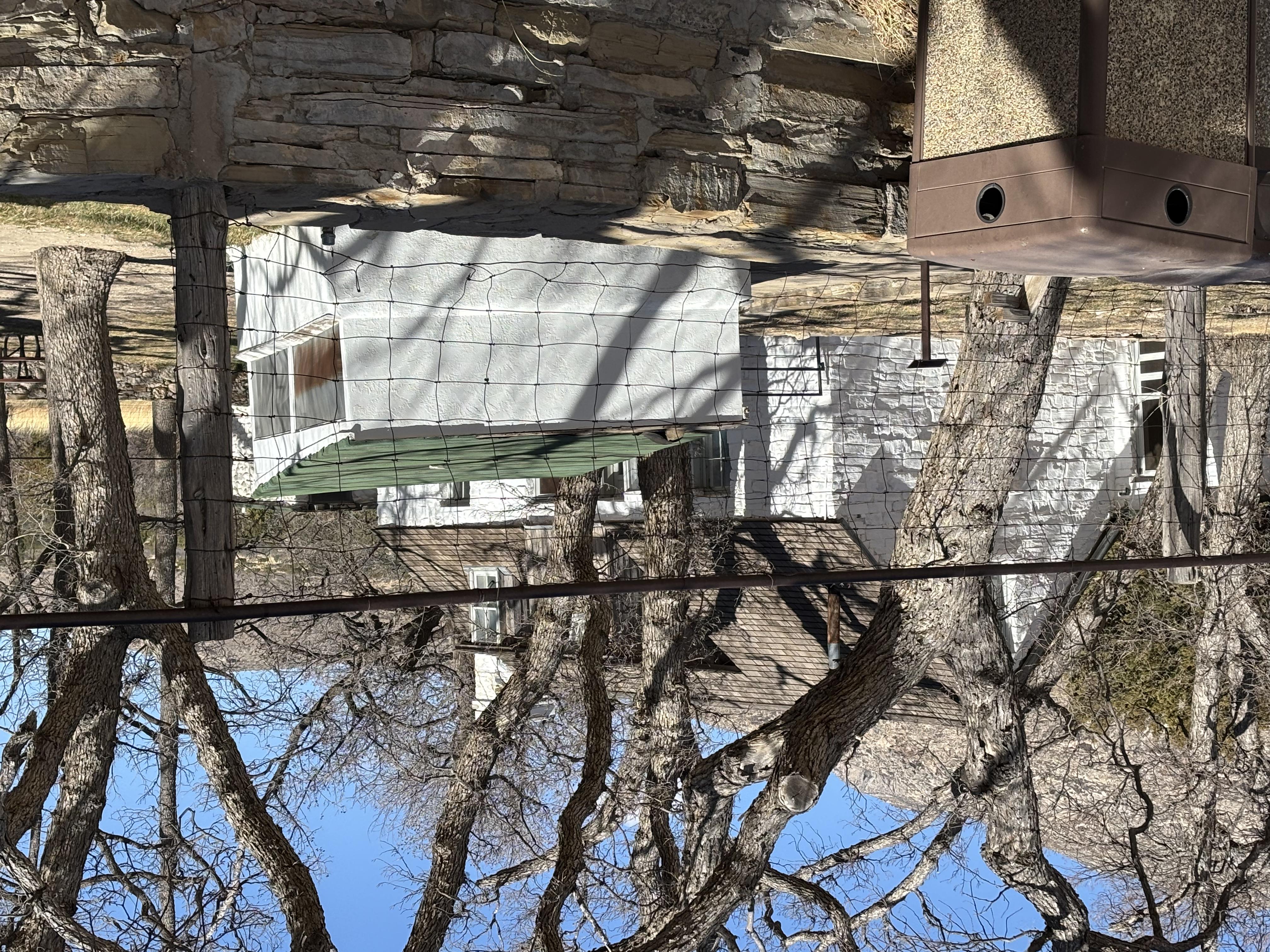
Mike and Bone spent a better part of an hour checking out the entire Ranch. By now it was hitting 2:00 PM, time to hit the road west!!
Passing on to El Paso!
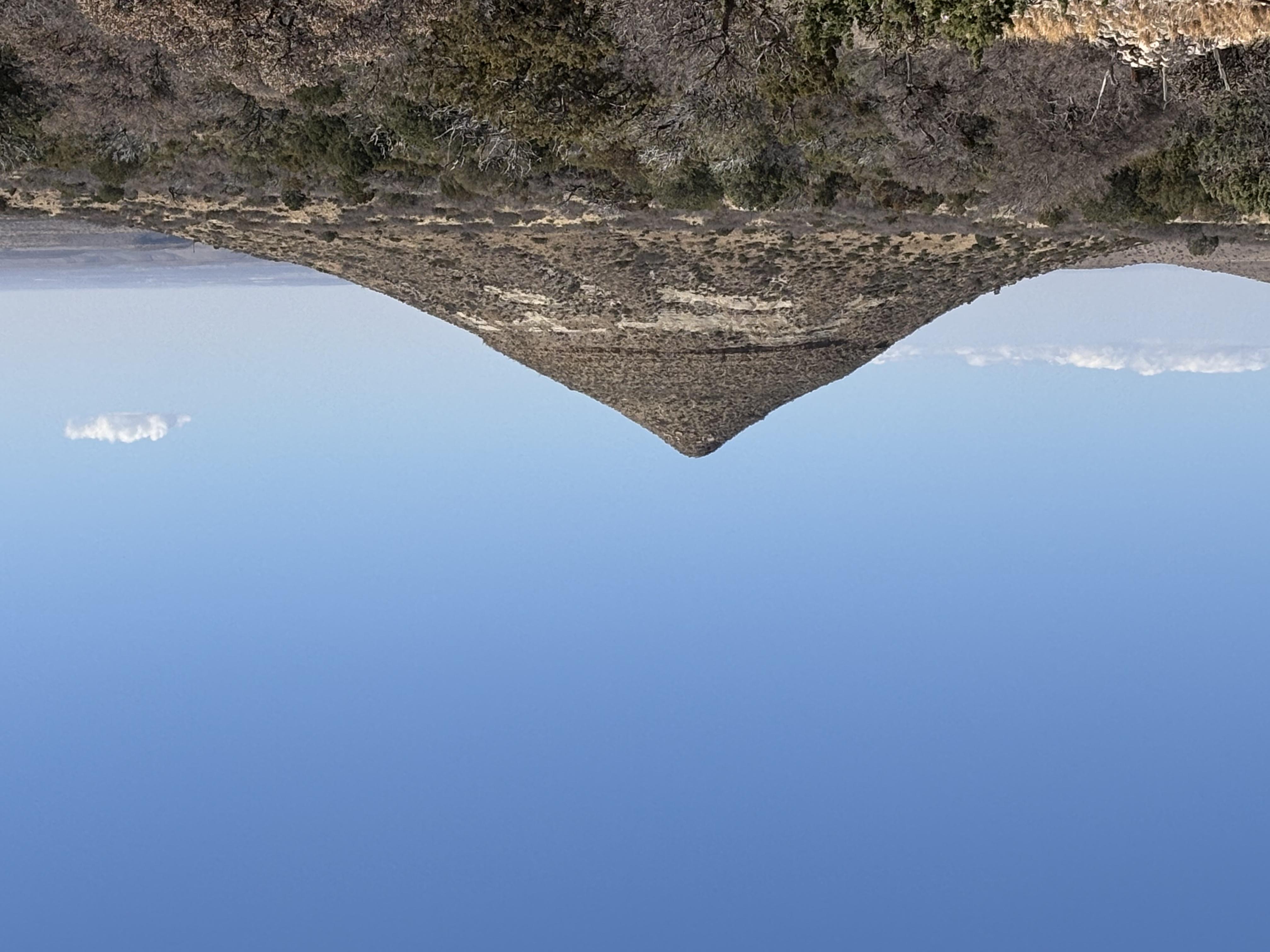
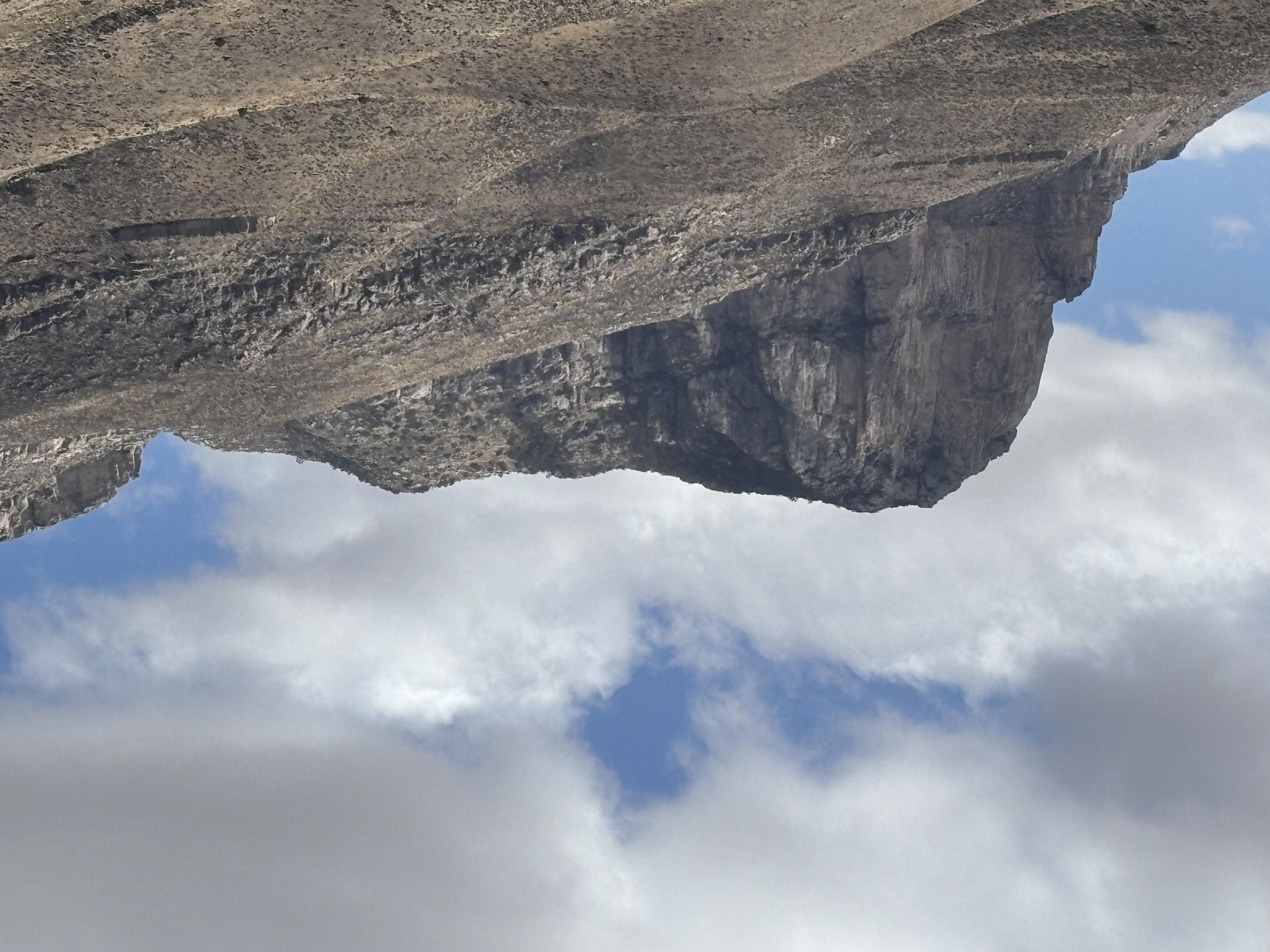
Mike and Bone's driving west had taking them pretty darn close to the New Mexico border and the last big town in Texas, so after a another hour on the road passing some pretty cool scenery, they arrived in the very cool town of El Paso!
Bumming around Downtown El Paso!
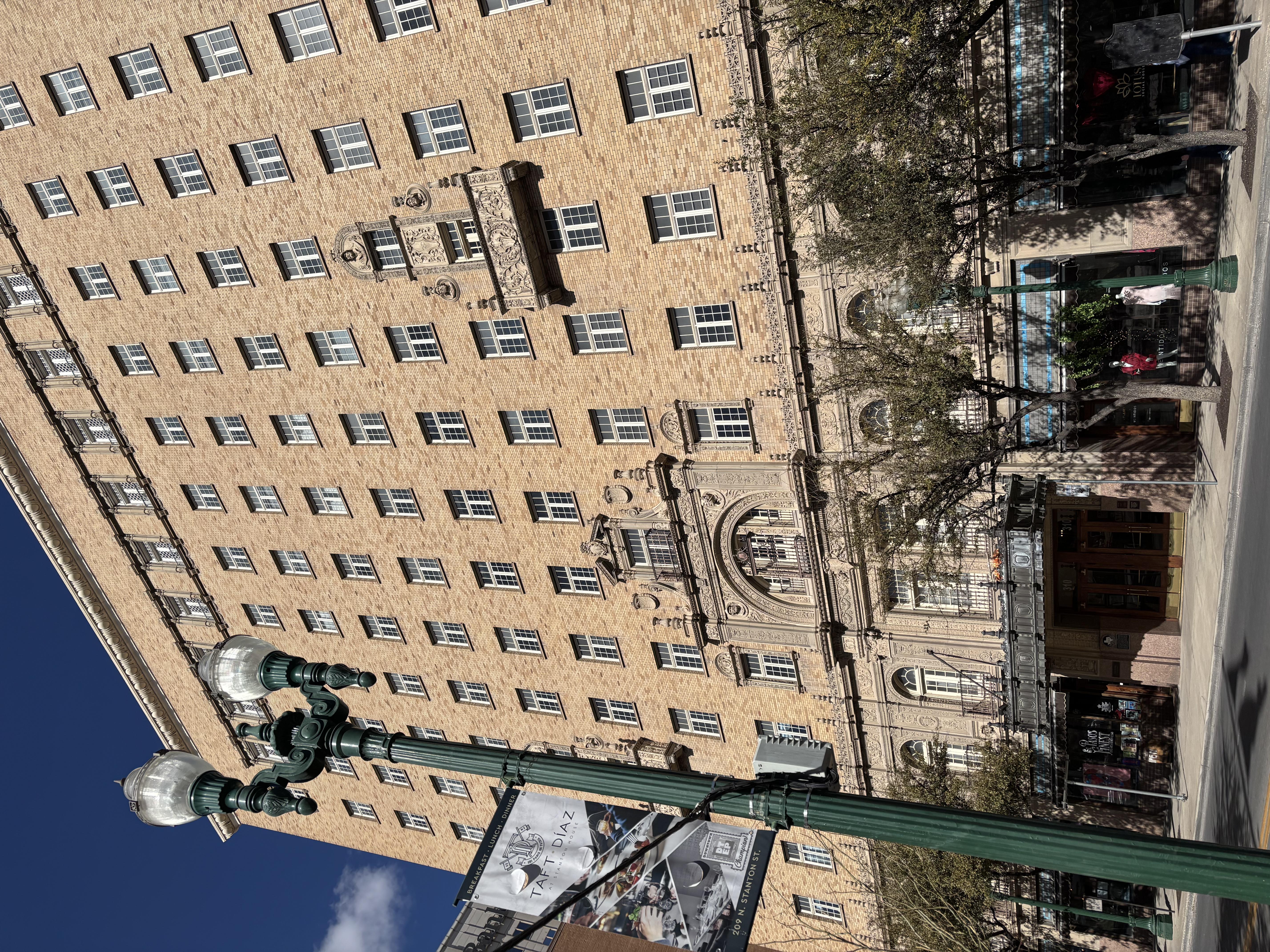
Neither Mike or Bone had been to El Paso and had no idea what to expect. They knew it is the sixth largest city in Texas and is primarily Hispanic City. Standing on the Rio Grande across the border from Ciudad Juárez, it gets a lot of attention in the national press.
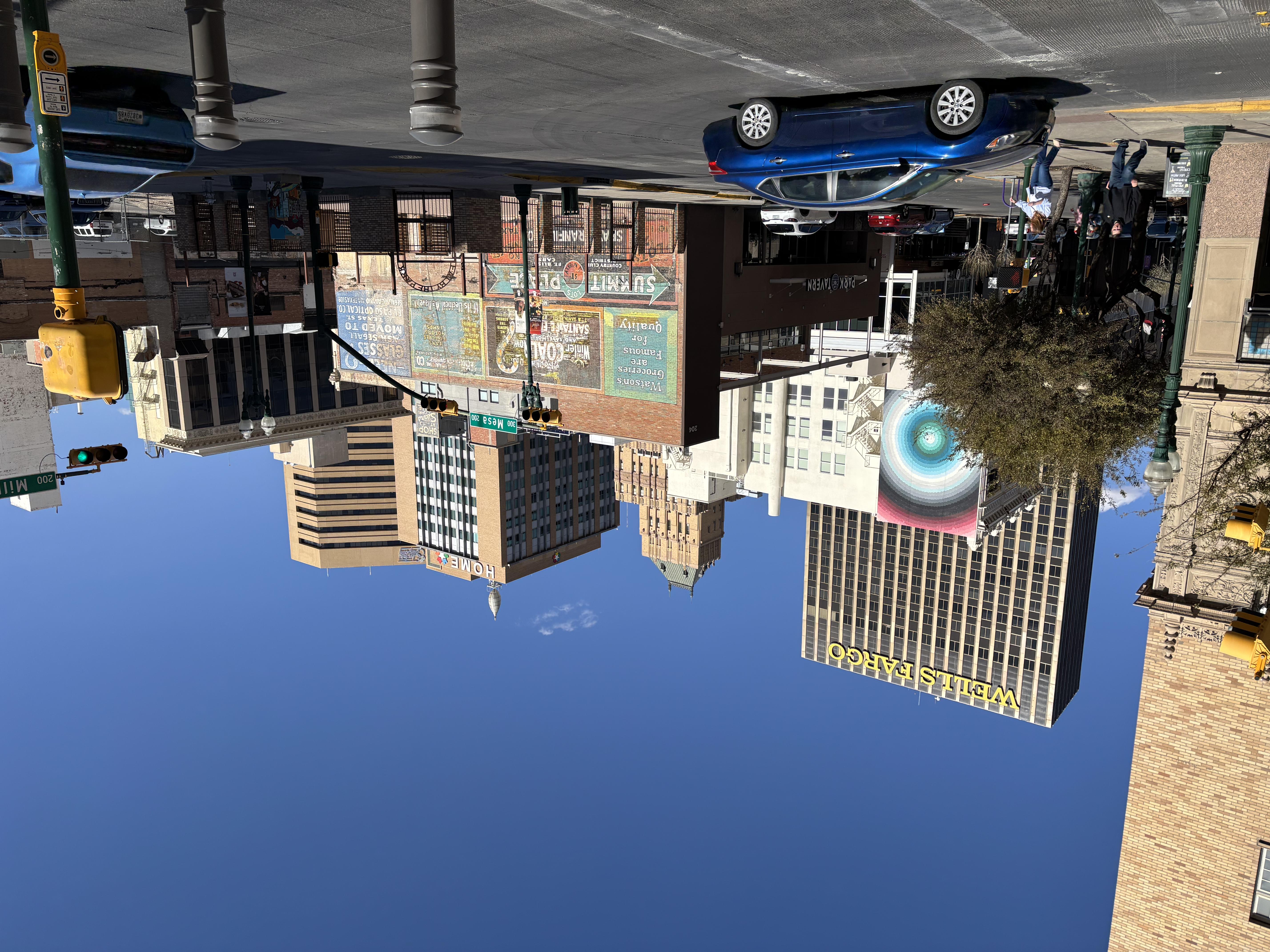
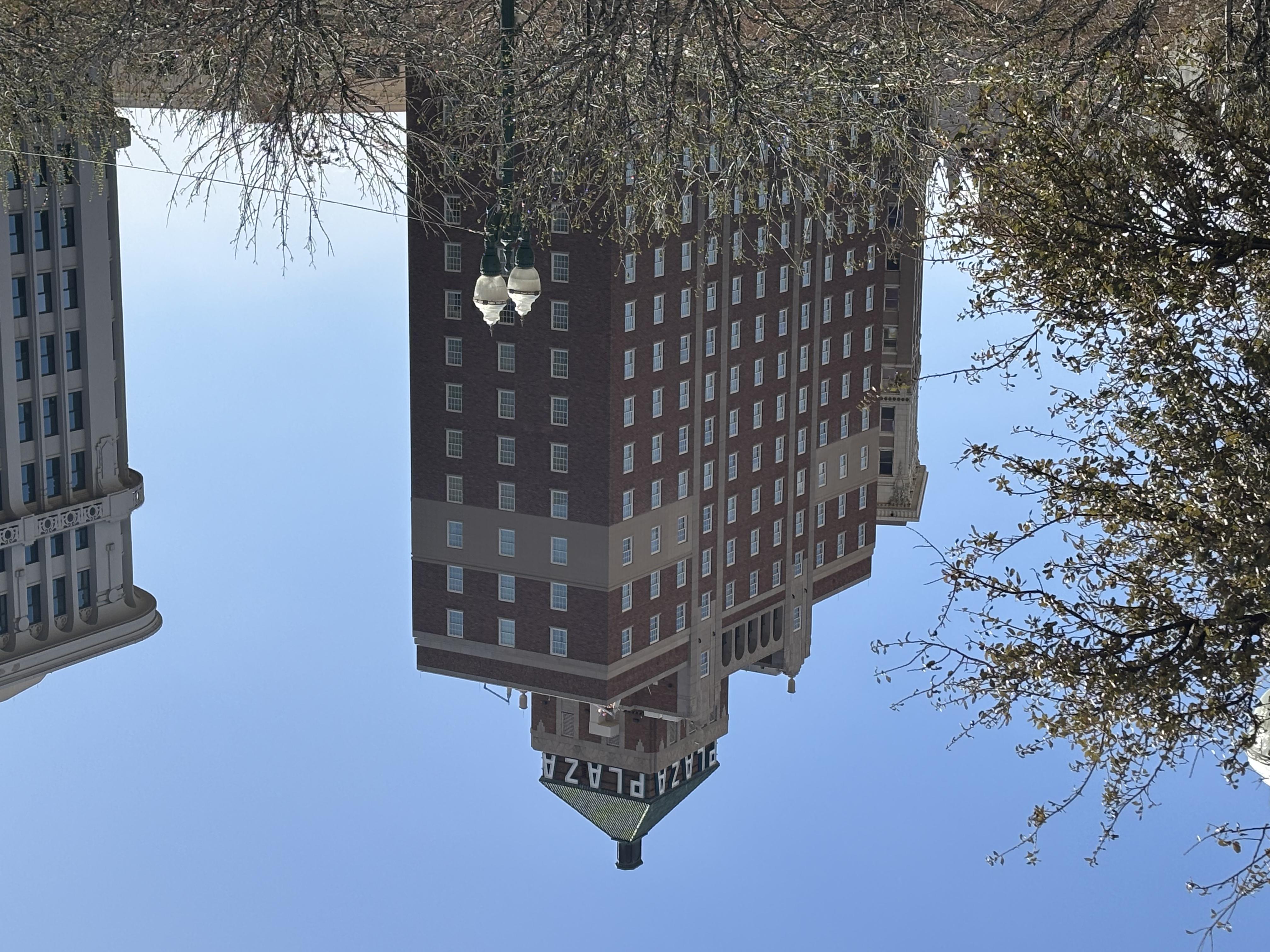
The Boys parked downtown and got out to walk around in the VERY comfortable 60 degree afternoon. The downtown was actually very clean and kept up. The building were dated from the 40’s and 50’s but very well kept up. As Mike and Bone wandered around the well-manicured park, they read that El Paso is actually a very old place!
The El Paso region has had human settlement for thousands of years, as evidenced by Folsom points from hunter-gatherers found in the area This suggests 10,000 to 12,000 years of peoples running around here! It's history is actually quite long.
The earliest known cultures in the region were maize farmers. When the Spanish arrived, the Manso, Suma, and Jumano tribes populated the area. These were subsequently incorporated into the mestizo culture, along with immigrants from central Mexico, captives from Comanchería, and genízaros of various ethnic groups. The Mescalero Apache were also present.
The Chamuscado and Rodríguez Expedition trekked through present-day El Paso and forded the Rio Grande where they visited the land that is present-day New Mexico in 1581–1582. The expedition was led by Francisco Sánchez, called "El Chamuscado", and Fray Agustín Rodríguez, the first Spaniards known to have walked along the Rio Grande and visited the Pueblo Indians since Francisco Vásquez de Coronado 40 years earlier. Spanish explorer Don Juan de Oñate was born in 1550 in Zacatecas, Zacatecas, Mexico, and was the first New Spain (Mexico) explorer known to have rested and stayed 10 days by the Rio Grande near El Paso, in 1598, celebrating a Thanksgiving Mass there on April 30, 1598. Four survivors of the Narváez expedition, Álvar Núñez Cabeza de Vaca, Alonso del Castillo Maldonado, Andrés Dorantes de Carranza, and an enslaved native of Morocco, Estevanico, are thought to have crossed the Rio Grande into present-day Mexico about 75 miles south of El Paso in 1535. El Paso del Norte (present-day Ciudad Juárez) was founded on the south bank of the Río Bravo del Norte (Rio Grande), in 1659 by Fray Garcia de San Francisco. In 1680, the small village of El Paso became the temporary base for Spanish governance of the territory of New Mexico as a result of the Pueblo Revolt, until 1692, when Santa Fe was re-conquered and once again became the capital.
The Texas Revolution (1836) was generally not felt in the region, as the American population was small, not more than 10% of the population. However, the region was claimed by Texas as part of the treaty signed with Mexico and numerous attempts were made by Texas to bolster these claims, but the villages that consisted of what is now El Paso and the surrounding area remained essentially a self-governed community with both representatives of the Mexican and Texan governments negotiating for control until Texas, having become a U.S. state in 1845, irrevocably took control in 1846.
During this time, 1836–1848, Americans nonetheless continued to settle the region. As early as the mid-1840s, alongside long extant Hispanic settlements such as the Rancho de Juan María Ponce de León, Anglo-American settlers such as Simeon Hart and Hugh Stephenson had established thriving communities of American settlers owing allegiance to Texas. Stephenson, who had married into the local Hispanic aristocracy, established the Rancho de San José de la Concordia, which became the nucleus of Anglo-American and Hispanic settlement within the limits of modern-day El Paso, in 1844: the Republic of Texas, which claimed the area, wanted a chunk of the Santa Fe trade. During the Mexican–American War, the Battle of El Bracito was fought nearby on Christmas Day, 1846. The Treaty of Guadalupe Hidalgo effectively made the settlements on the north bank of the river part of the US, separate from Old El Paso del Norte on the Mexican side. The present New Mexico–Texas boundary placing El Paso on the Texas side was drawn in the Compromise of 1850.
El Paso remained the largest settlement in New Mexico as part of the Republic of Mexico until its cession to the U.S. in 1848, when the Treaty of Guadalupe Hidalgo specified the border was to run north of El Paso De Norte around the Ciudad Juárez Cathedral which became part of the state of Chihuahua.
El Paso County was established in March 1850, with San Elizario as the first county seat.
So why is it in Texas!?!
The United States Senate fixed a boundary between Texas and New Mexico at the 32nd parallel, thus largely ignoring history and topography. A military post called the "Post opposite El Paso" (meaning opposite El Paso del Norte, across the Rio Grande) was established in 1849 on Coons' Rancho beside the settlement of Franklin, which became the nucleus of the future El Paso, Texas; after the army left in 1851, the rancho went into default and was repossessed; in 1852, a post office was established on the rancho bearing the name El Paso as an example of cross-border town naming until El Paso del Norte was renamed Juarez in 1888. After changing hands twice more, the El Paso company was set up in 1859 and bought the property, hiring Anson Mills to survey and lay out the town, thus forming the current street plan of downtown El Paso that Mike and Bone were checking out!
Viewing Mexico, over the Border!
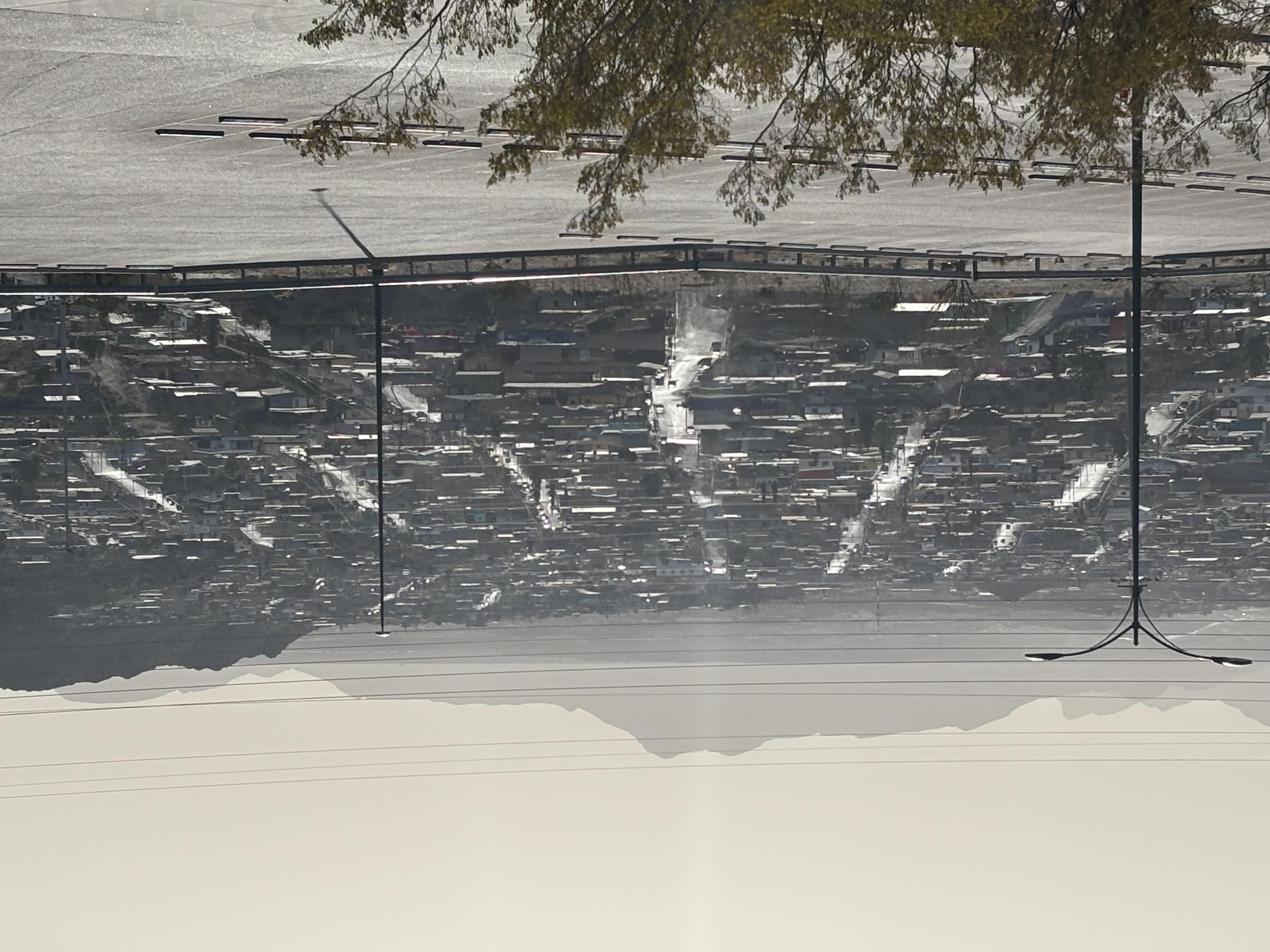
After grabbing a good cup of Joe from a local barista shop, the Boys were gonna go to college, the University of Texas, El Paso that is! Better known as UTEP!
Miners, not Minors!
UTEP, a public research university in El Paso, Texas, United States. Founded in 1913 as the State School of Mines and Metallurgy, it is the third oldest academic component of the University of Texas System.
It opened on September 28, 1914, with 27 students in buildings belonging to the former El Paso Military Institute on a site adjacent to Fort Bliss on the Lanoria Mesa. The school was founded as the State School of Mines and Metallurgy. and a practice mineshaft survives on the campus to this day!
The Boyd drove out to the campus, which is beautifully located on a hillside overlooking the Rio Grande river, with Ciudad Juárez in view across the US -Mexico border.
UTEP also hosts the annual Sun Bowl college football postseason game, the second-oldest bowl game in the country that Mike and Bone have watched for years!
Of course they hadda check out the stadium that they had seen for years!!
Mike and Bone, looking for Tony!?!
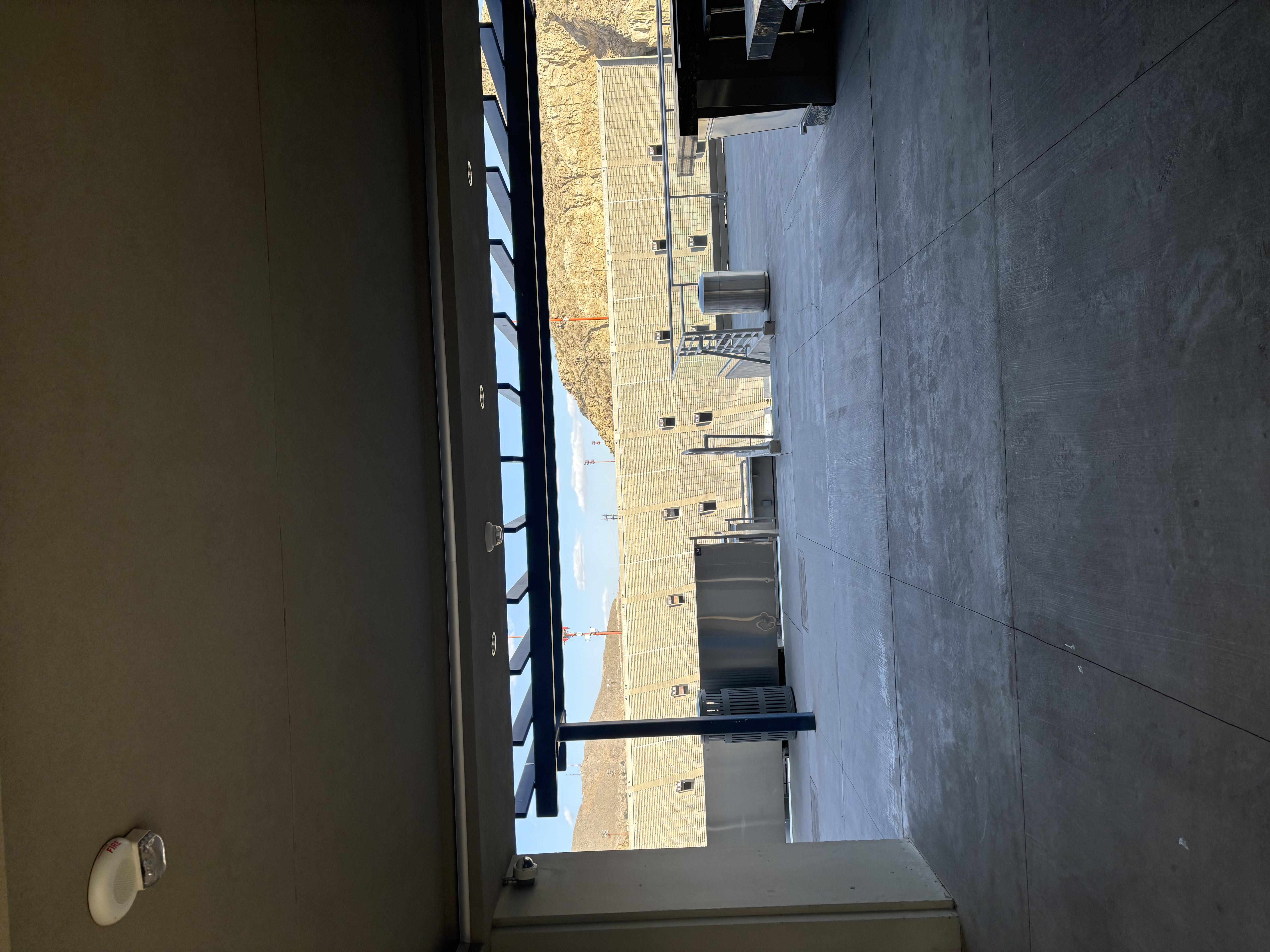
As with all bowls these days, the Sun Bowl is now sponsored ironically by the Michigan-based Kellogg's Company as the "Tony the Tiger" Sun Bowl. Finding the Stadium, the Boys had to figure a way to check it out Tony's Bowl!
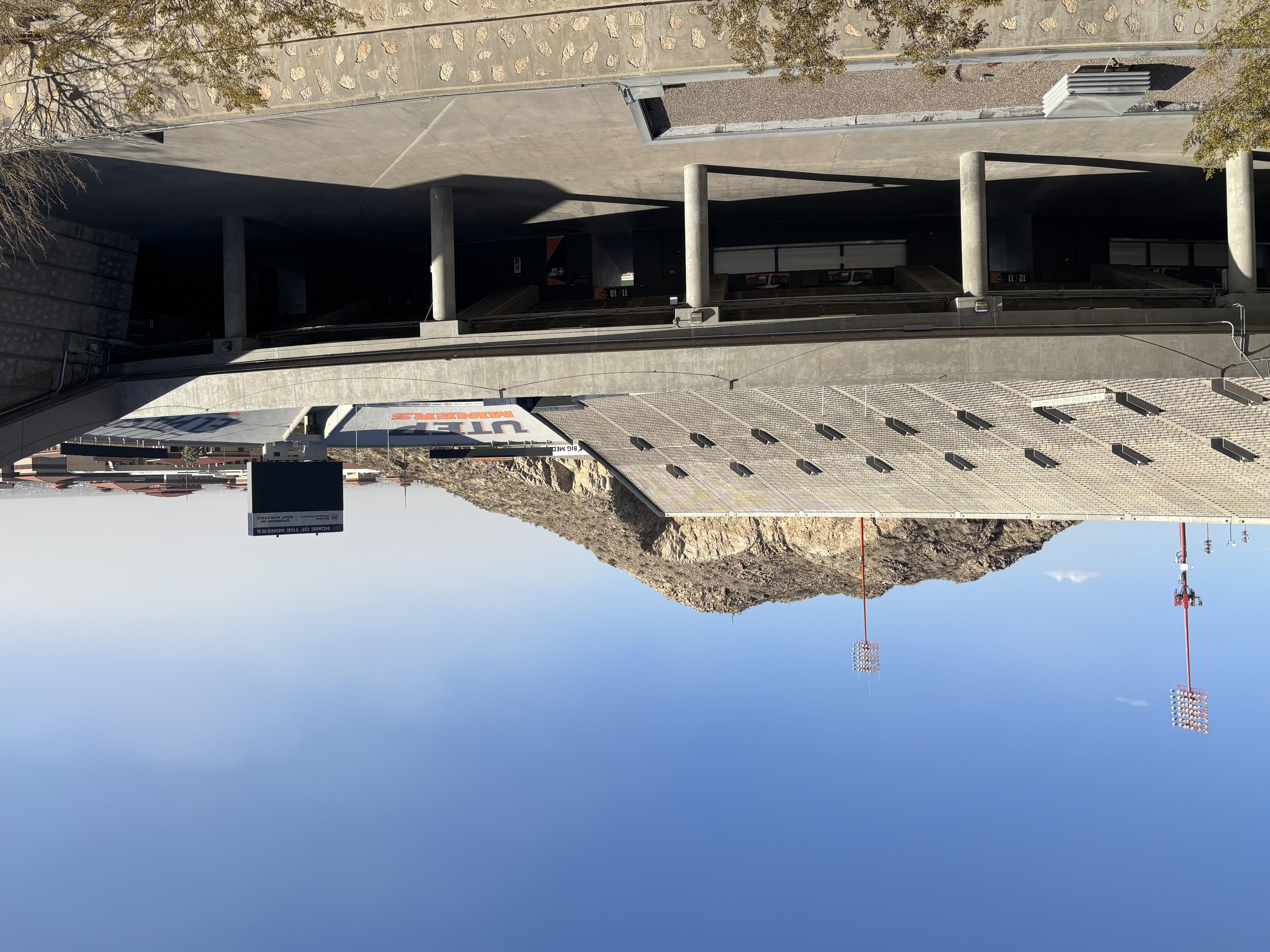
"M", for Miner
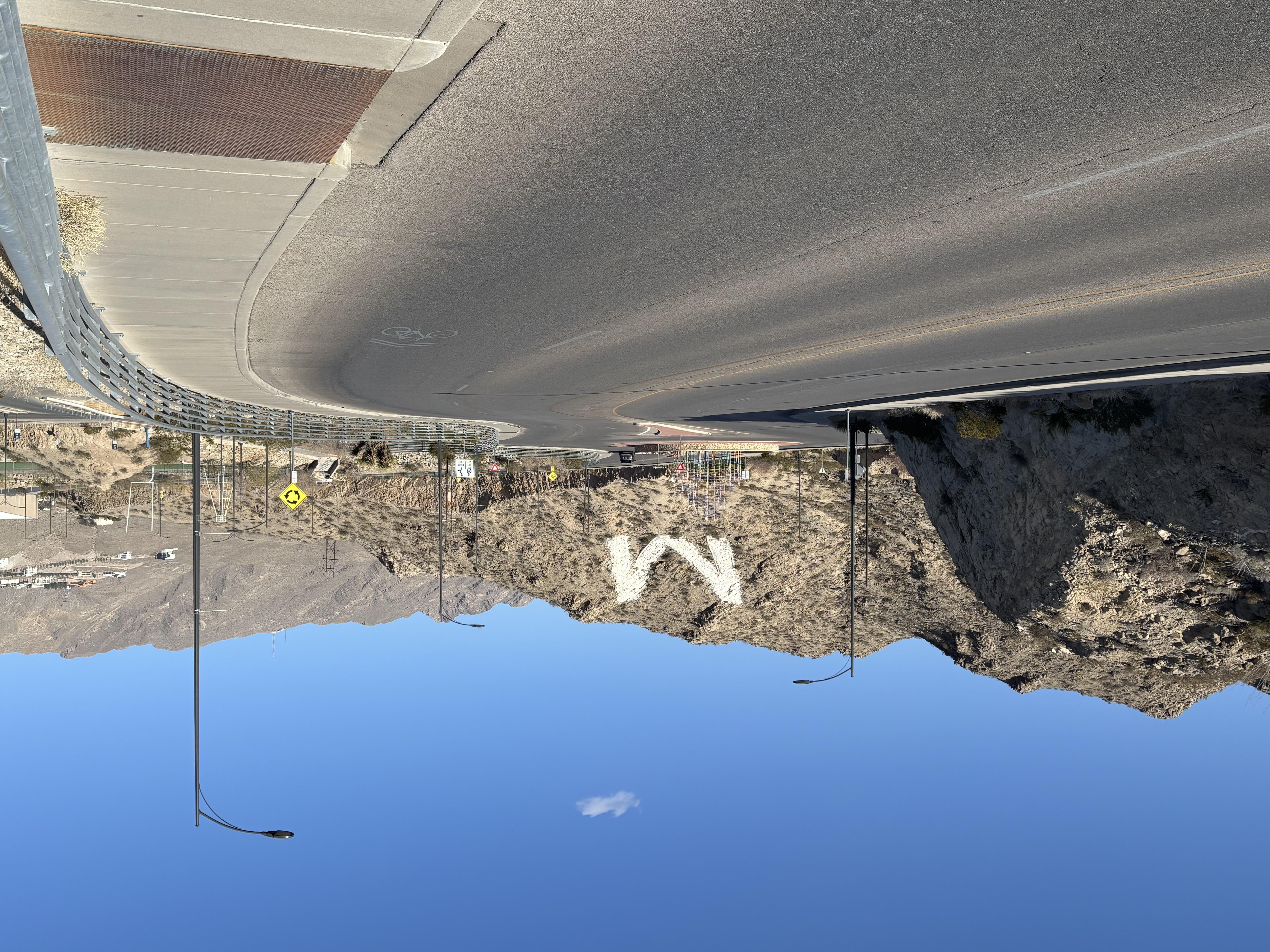
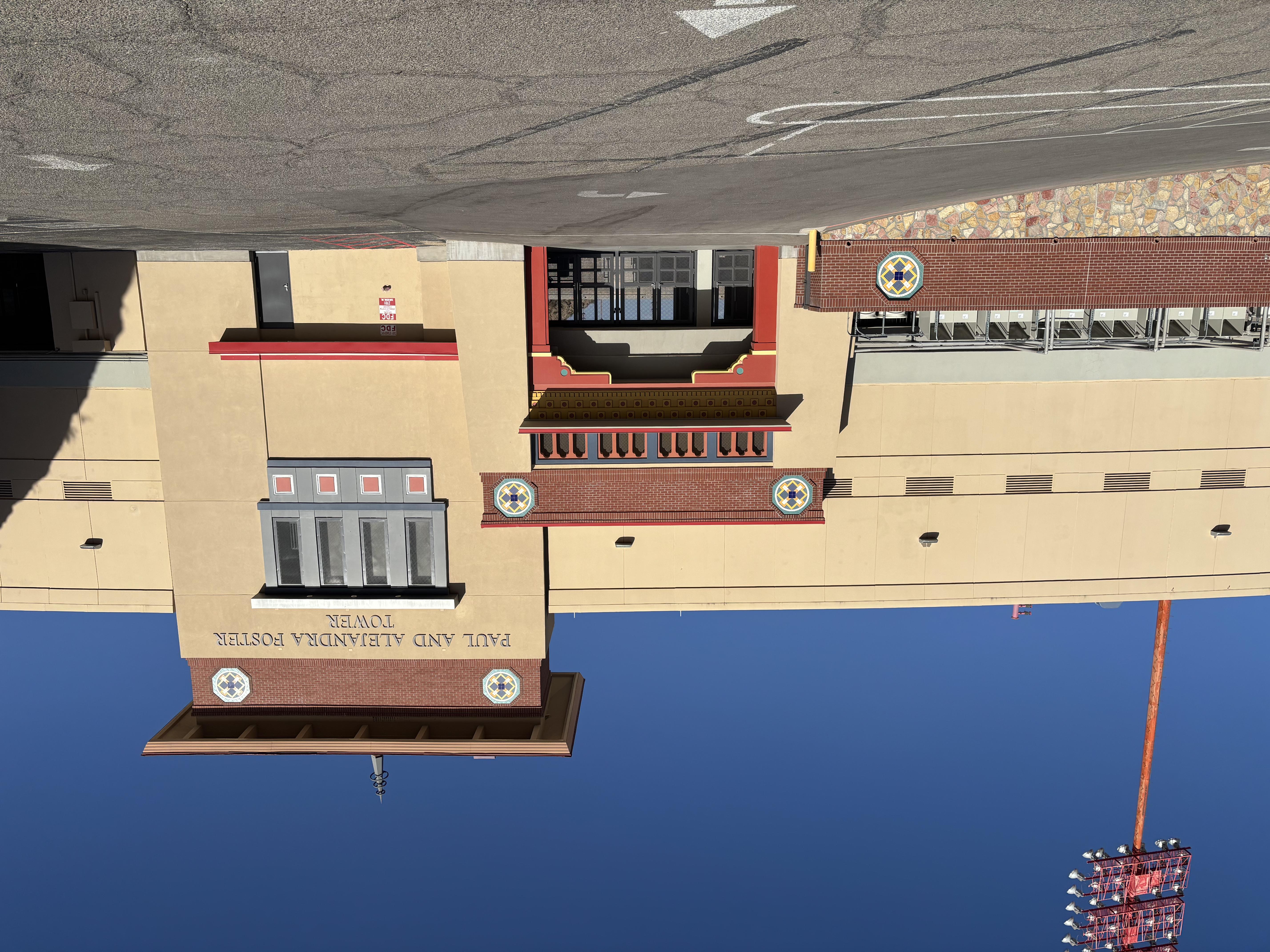
Of course they hadda check out the stadium that they had seen for years!! Problem was, it was locked up, so Bone led Mike up a junk filled, steep dirt hill it peek in to get picture! After 20 minutes and two falls, Bone got his pics, time for a beer in a College Bar!!!!
Mike and Bone, looking for Tony!?!
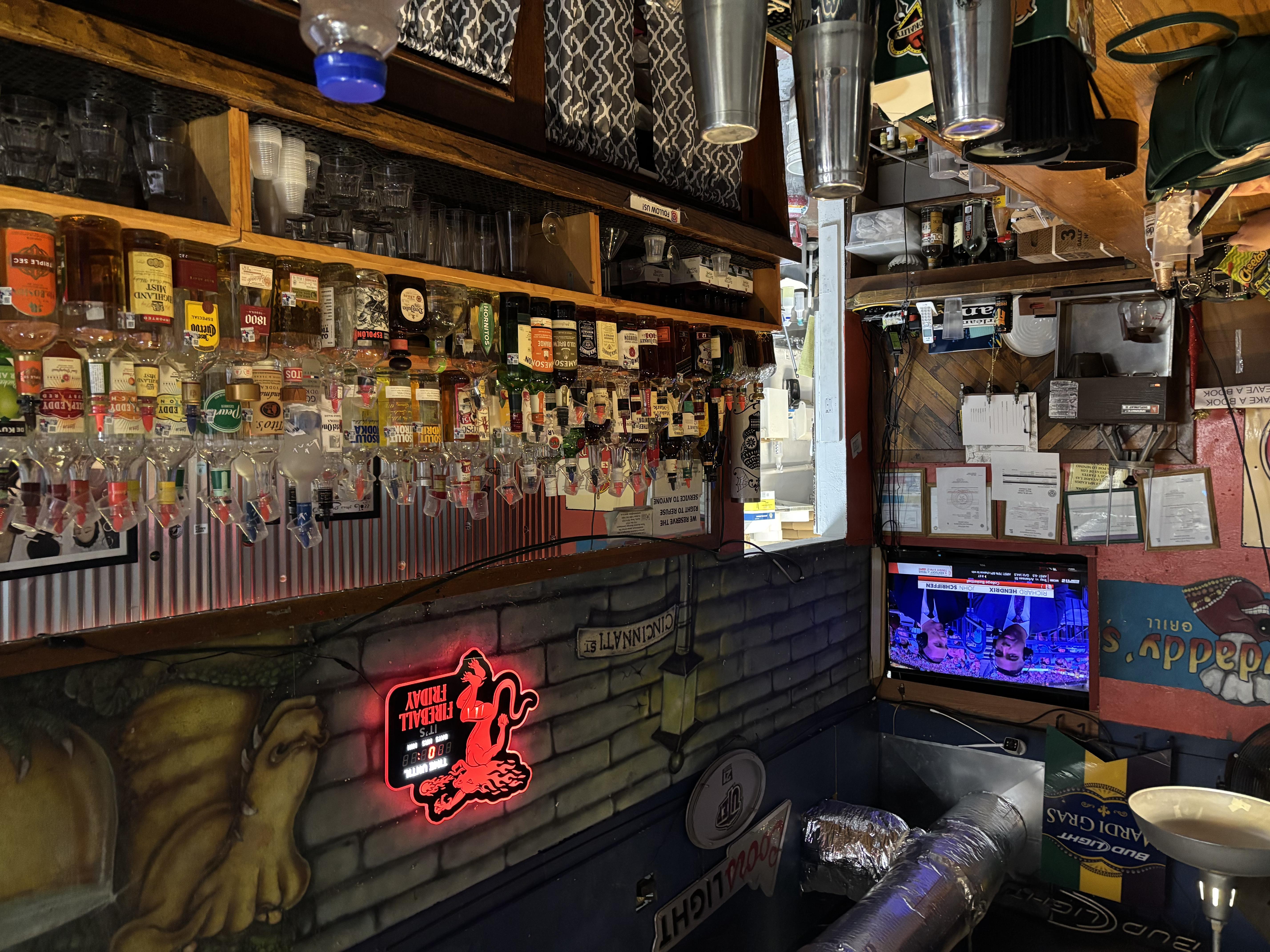
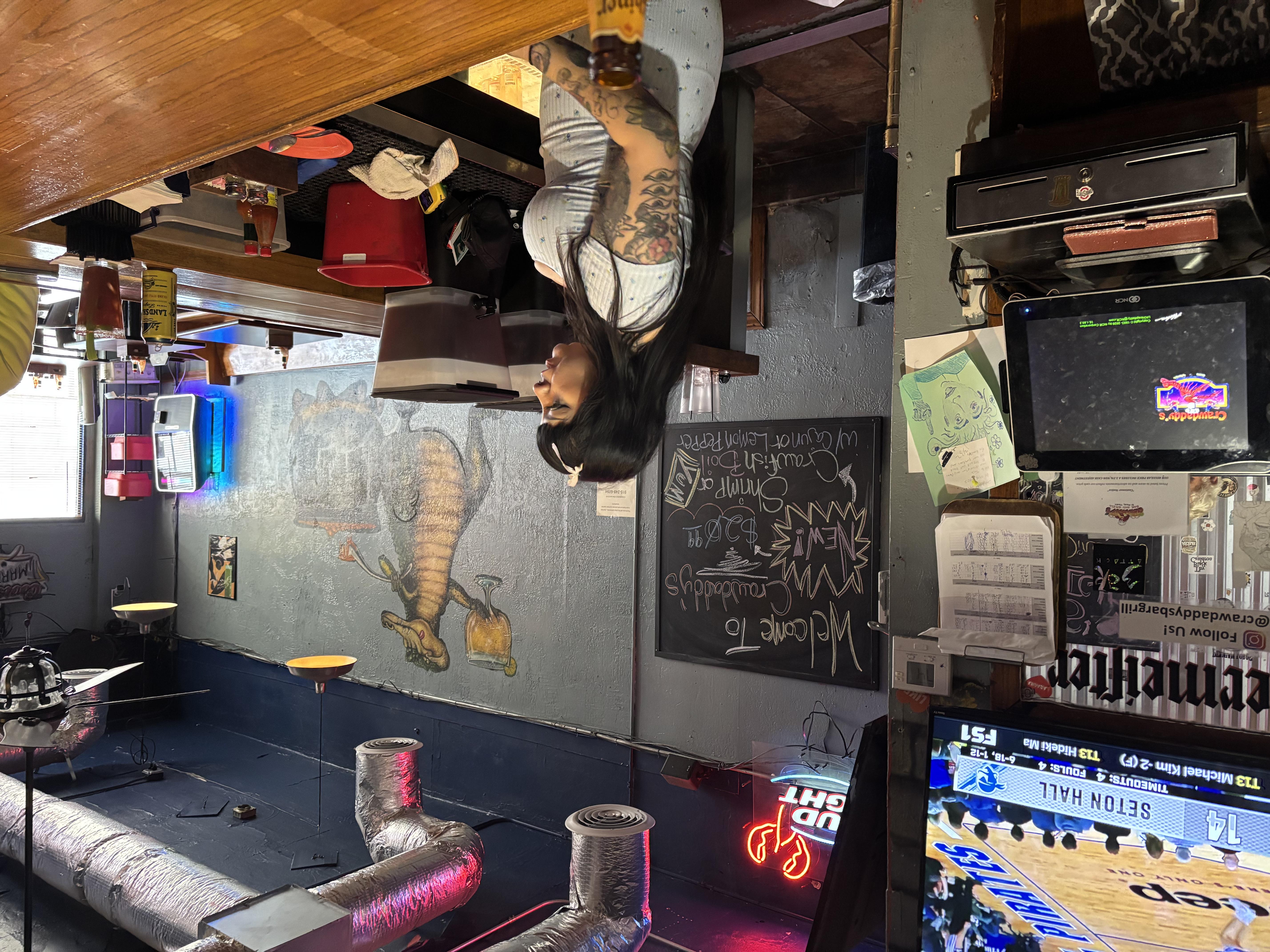
Unlike most college towns, UTEP had bit of an anemic Bar scene, they had two places both pretty grungy. The first was the Hope and Anchor, which did have a patio but not much of a vibe. The next was more like it, the Hoppy Monk. This funky place had a heavily tatted bar keep named Shauna, that had a pleasant chat with the Boys and gave them the skinny on El Paso. A budding arc welder, Shauna was a El Paso local that confirmed for the Boys that El Paso was a safe and chill place to grow up in, except maybe the Rio Grande. Seeing a gator on the wall, Bone asked her what was up with that, she mentioned that there are gators in the Rio Grande in El Paso!
That was interesting for two reasons:
1. No one in their right mind thinks of gators out in the desert! Most think of the swampy Southeast!!
2. More importantly, Mike and Bone were swimming in that very Rio Grande the day before!
With that stunning news, the Boys departed to get a hotel for a night and some victuals.
Puttin' in with a Pizza!
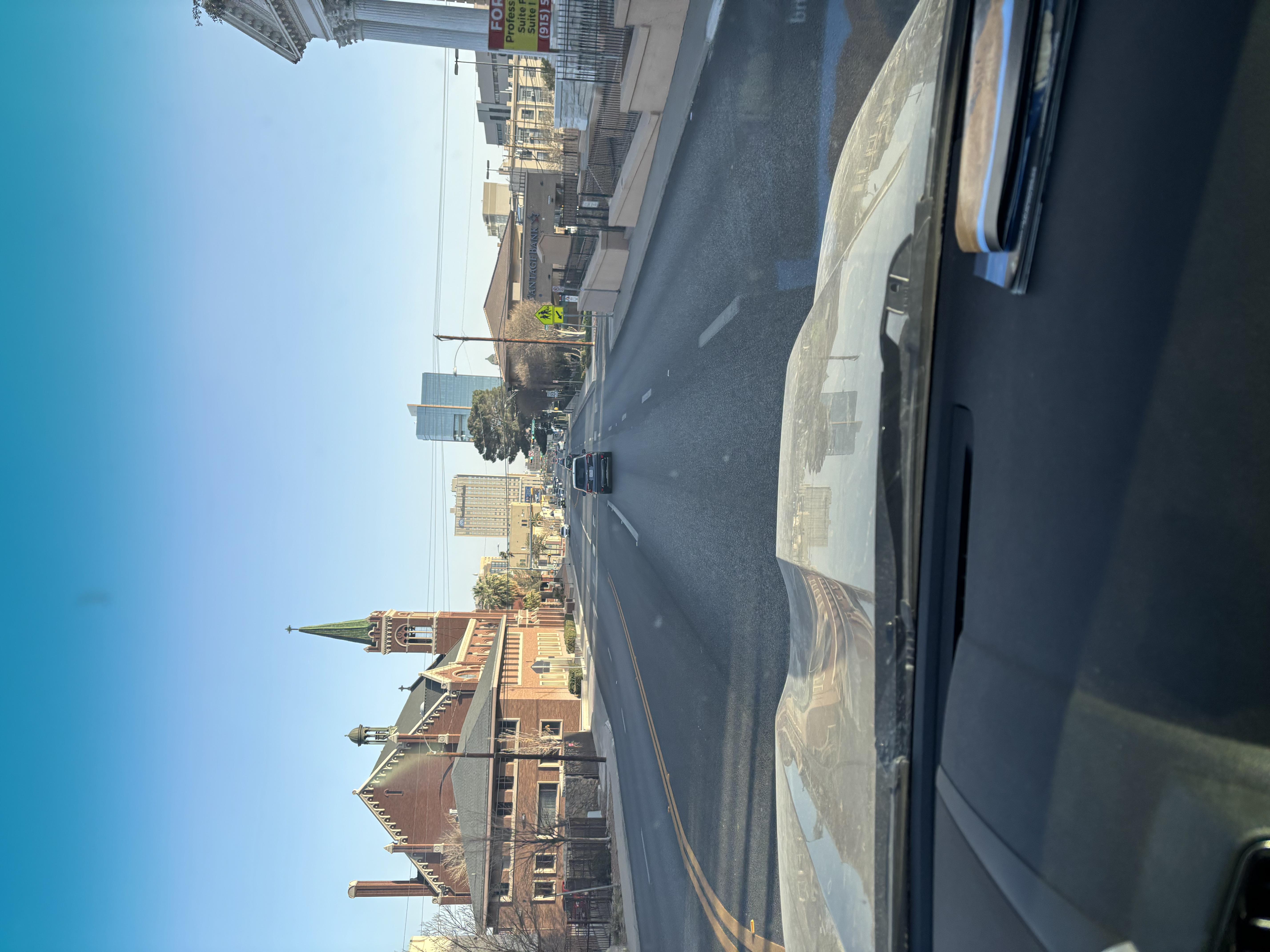
Mike found a Holiday Inn Express nearby while Bone surfed for a pepperoni pie from a local establishment. Bone selected Luigi's Homestyle Pizza. Local joints are always a crapshoot, either really good or crappy. Luigi's was the later, it wasn't not very italian, nor very good, average at best.
With that the Boys called it an eventful day!